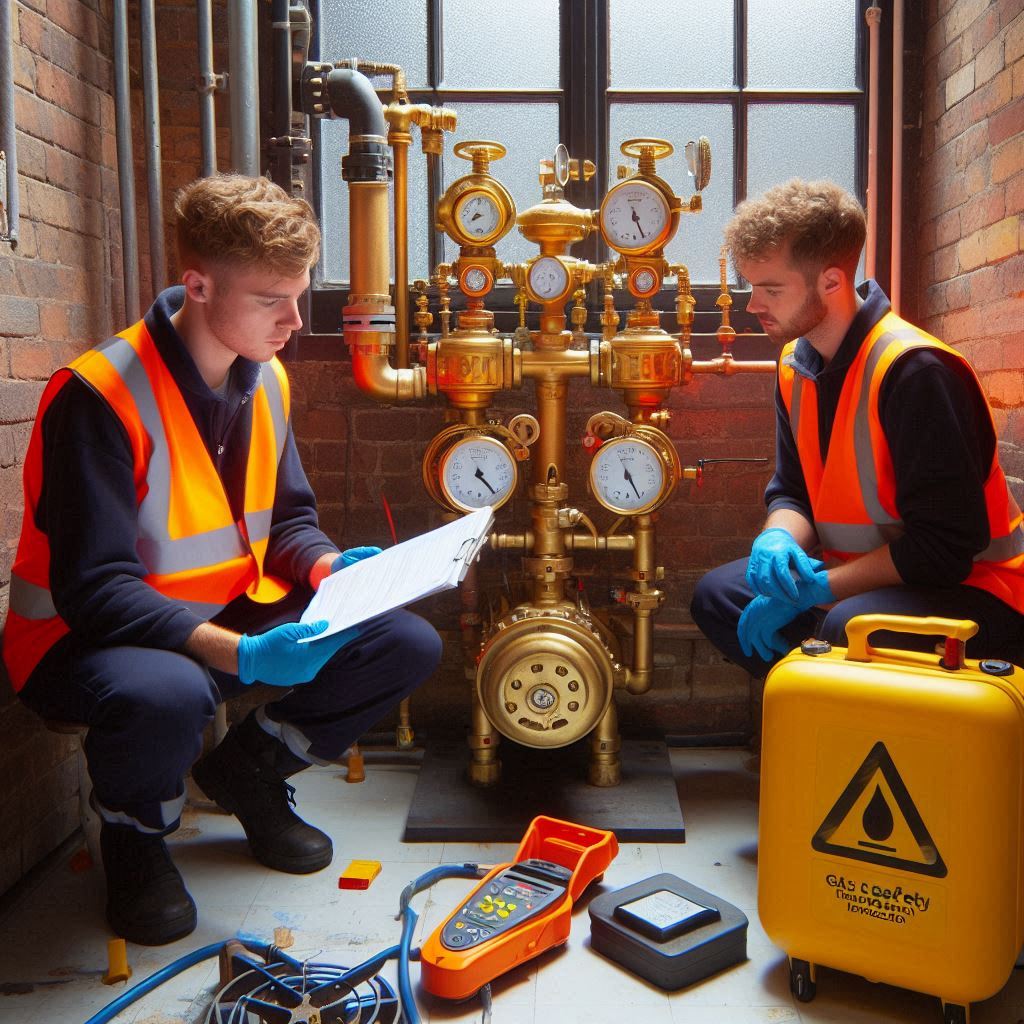
Introduction to Gas Heating Installation Checklist
A warm space feels safe and comfortable. However, gas heating systems must be installed with care and precision. Therefore, a clear and structured Gas Heating Installation Checklist helps ensure every step meets safety and quality standards.
Moreover, when technicians follow a checklist, they reduce errors and improve efficiency. As a result, installations become safer, faster, and more reliable.
With eAuditor Audits & Inspections, managing installation checks becomes simple, organized, and highly effective.
What Is a Gas Heating Installation Checklist?
A Gas Heating Installation Checklist is a step-by-step tool used to verify that gas heating systems are installed correctly and safely.
It helps teams review:
System setup and connections
Gas supply and pressure
Ventilation and flue systems
Safety controls and compliance
Because of this structured approach, technicians can complete installations with confidence.
Why Gas Heating Installation Checklists Matter
Gas systems require strict safety controls. However, small mistakes can lead to serious risks. Therefore, installation checklists are essential.
They help you:
Ensure safe system operation
Prevent gas leaks and hazards
Meet regulatory requirements
Improve installation quality
Reduce rework and delays
In addition, checklists create consistency across projects. As a result, teams deliver reliable outcomes every time.
Key Components of a Gas Heating Installation Checklist
Site Preparation and Assessment
Start by reviewing the installation site.
Check:
Adequate space for equipment
Proper ventilation
Accessibility for maintenance
Because preparation sets the foundation, this step is critical.
Gas Supply and Connections
Next, inspect gas supply systems.
Ensure:
Pipes are correctly sized
Connections are secure
Pressure levels meet requirements
As a result, the system operates safely and efficiently.
Appliance Installation
Install the heating unit according to manufacturer guidelines.
Confirm:
Correct positioning
Secure mounting
Proper alignment
Because proper installation affects performance, this step is essential.
Ventilation and Flue Systems
Check ventilation and exhaust systems.
Ensure:
Flues are correctly installed
Exhaust gases are safely discharged
Airflow is not restricted
Therefore, harmful gases do not accumulate indoors.
Safety Controls and Testing
Test all safety features.
Include:
Gas leak detection
Pressure testing
System shutdown controls
Because safety testing prevents hazards, this step must not be skipped.
Final Inspection and Documentation
Finally, review the entire system.
Record:
Installation details
Test results
Compliance confirmation
Because of this, you maintain clear and accurate records.
Common Issues Found During Installation
Even experienced technicians can face challenges. However, checklists help identify them early.
Common issues include:
Loose connections
Incorrect pressure levels
Poor ventilation setup
Incomplete testing
Missing documentation
Therefore, structured inspections improve safety and reliability.
How eAuditor Audits & Inspections Improve Gas Heating Installations
Manual processes can be time-consuming and inconsistent. However, eAuditor Audits & Inspections transforms installation checks into a digital and efficient workflow.
Ready-to-Use Installation Templates
eAuditor provides customizable Gas Heating Installation Checklist templates. As a result, teams can standardize installation procedures.
Mobile Inspection Capability
Technicians can complete checklists on mobile devices. Therefore, inspections happen directly on-site.
Real-Time Data Capture
Data is recorded instantly. Because of this, supervisors receive updates without delay.
Photo and Evidence Attachment
Users can attach images of installations. As a result, reports become more detailed and reliable.
Automated Reporting
eAuditor generates reports automatically. This saves time and improves accuracy.
Corrective Action Tracking
Assign tasks immediately for any issues. Then, track progress in real time.
Cloud-Based Storage
All records are stored securely in the cloud. Therefore, teams can access them anytime.
Because of these features, eAuditor ensures safe and consistent installations.
Benefits of Using eAuditor for Installation Checklists
Using eAuditor offers clear advantages:
It reduces paperwork
It improves accuracy
Standardizes processes
It enhances compliance tracking
It supports faster decision-making
Most importantly, it helps ensure safe gas system installations.
Practical Tips for Successful Gas Heating Installation
Although tools help, strong practices matter too.
Follow manufacturer guidelines
Use certified technicians
Perform thorough testing
Document every step
Review installations regularly
As a result, your systems remain safe and efficient.
Useful Resources for Gas Heating Installation Checklist
Explore these helpful resources:
https://library.eauditor.app/gas-heating-installation-checklist
https://library.eauditor.app/hvac-installation-checklist
https://library.eauditor.app/safety-inspection-checklist
https://library.eauditor.app/maintenance-checklist-template
https://eauditor.app/blog/hvac-installation-guide
https://eauditor.app/blog/workplace-safety-best-practices
https://eauditor.app/blog/digital-inspection-benefits
These resources support better installation and safety management.
Frequently Asked Questions
What is a gas heating installation checklist?
It is a tool used to ensure safe and correct installation of gas heating systems.
Why is a checklist important for gas installations?
It helps prevent hazards and ensures compliance with safety standards.
Who uses this checklist?
Technicians, engineers, and installers use it.
What is checked during installation?
Gas supply, connections, ventilation, and safety systems.
How does eAuditor help with installation checks?
It provides digital templates, real-time data, and automated reports.
What are common installation risks?
Gas leaks, poor ventilation, and incorrect pressure levels.
How often should systems be inspected after installation?
Regular maintenance checks should follow installation.
Can digital tools improve installation quality?
Yes, they improve accuracy and consistency.
What happens if an issue is found?
It must be corrected before system operation.
Why is documentation important?
It ensures compliance and supports future maintenance.
Final Thoughts
A well-structured Gas Heating Installation Checklist ensures safe, efficient, and compliant system installations.
When you combine structured processes with eAuditor Audits & Inspections, you simplify workflows and improve results.
Therefore, stay consistent and detail-focused. As a result, you will deliver safe installations and reliable performance every time https://eauditor.app/2026/05/13/gas-heating-installation-checklist/


Comments
Post a Comment