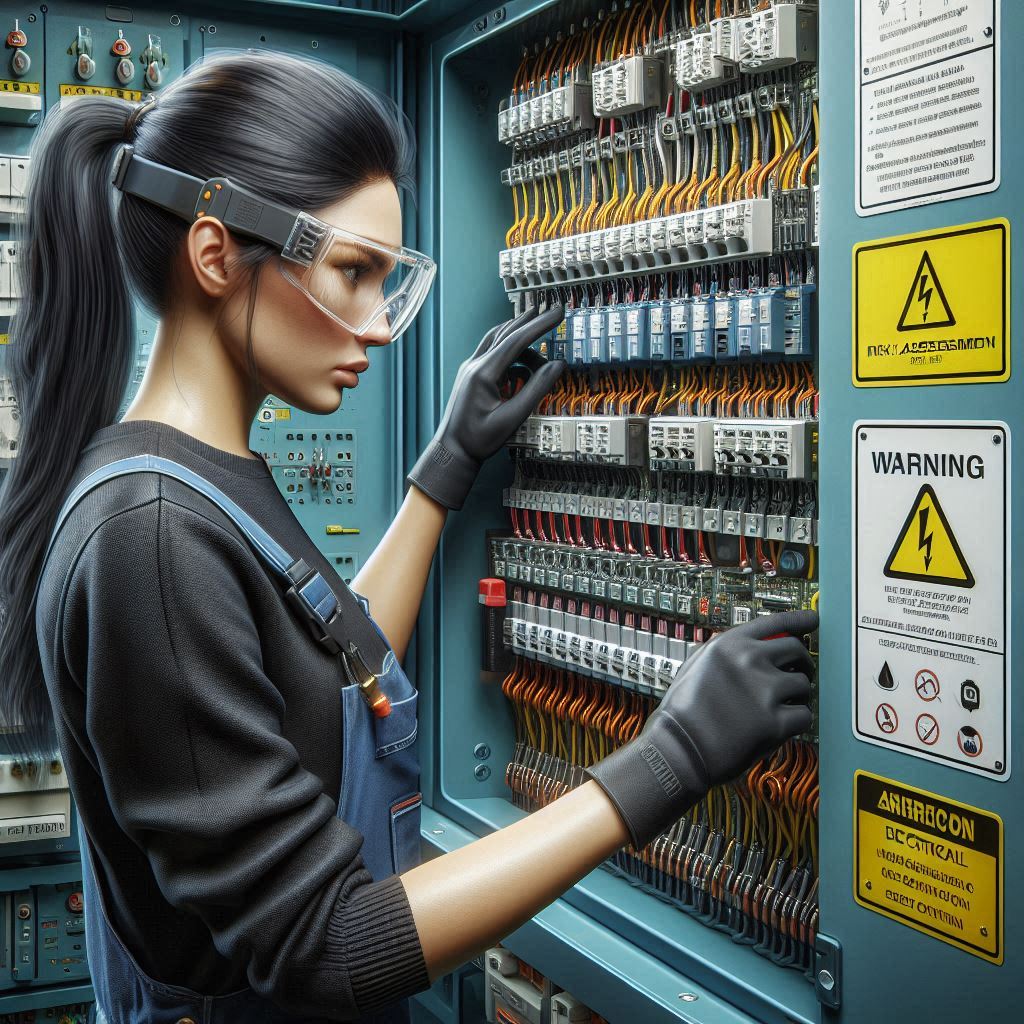
What Is an Electrical Hazard Checklist?
An Electrical Hazard Checklist is a structured inspection tool used to identify electrical risks, unsafe conditions, damaged equipment, and compliance issues within a workplace. Organizations use these checklists to improve electrical safety, reduce incidents, and maintain safe working environments.
Moreover, electrical hazards can lead to fires, equipment failures, electric shocks, arc flashes, and serious injuries. Therefore, regular inspections help businesses identify hazards before accidents occur.
Construction sites, manufacturing facilities, warehouses, offices, hospitals, retail stores, and industrial plants commonly use electrical hazard checklists as part of workplace safety programs.
Why Electrical Hazard Inspections Matter
Electrical systems operate continuously in most workplaces. However, damaged equipment, overloaded circuits, and unsafe work practices can create significant risks.
An Electrical Hazard Checklist helps organizations:
Reduce electrical incidents
Improve workplace safety
Maintain compliance
Prevent equipment damage
Reduce fire risks
Improve hazard identification
Strengthen accountability
Support safety audits
In addition, regular inspections help organizations reduce downtime and improve operational reliability.
Common Electrical Hazards in the Workplace
Many workplaces face recurring electrical safety risks. Therefore, inspections should focus on identifying unsafe conditions quickly.
Common hazards include:
Exposed wiring
Damaged power cords
Overloaded outlets
Faulty electrical panels
Missing grounding systems
Improper lockout/tagout procedures
Wet working environments
Damaged extension cords
Because these hazards can develop gradually, routine inspections remain essential.
Key Sections Included in an Electrical Hazard Checklist
Electrical Panel Inspection
Electrical panels should remain accessible, labeled, and free from visible damage.
Checklist items may include:
Panel accessibility
Proper labeling
Signs of overheating
Loose wiring
Breaker condition
Wiring and Cable Inspection
Damaged wiring creates major operational and safety risks.
Inspection areas may include:
Frayed cables
Exposed wiring
Improper cable routing
Loose connections
Damaged insulation
Power Outlets and Extension Cords
Unsafe outlets and extension cords commonly cause electrical incidents.
The checklist may review:
Overloaded outlets
Damaged sockets
Extension cord condition
Proper grounding
Temporary wiring usage
Equipment and Machinery Safety
Electrical equipment should operate safely and efficiently.
Inspection checks may include:
Equipment grounding
Damaged switches
Warning labels
Emergency shutoff systems
Electrical maintenance status
Lockout/Tagout Procedures
Energy isolation procedures help protect workers during maintenance.
Checklist sections may include:
Lockout device availability
Tagging procedures
Employee training
Isolation verification
Procedure compliance
Personal Protective Equipment (PPE)
Electrical work often requires specialized PPE.
Inspection points may include:
Insulated gloves
Arc flash protection
Face shields
Safety footwear
PPE condition checks
Emergency Preparedness
Organizations should prepare for electrical emergencies before incidents occur.
The checklist may review:
Fire extinguisher availability
Emergency contact information
Emergency shutdown procedures
First aid equipment
Evacuation procedures
Housekeeping and Environmental Conditions
Poor housekeeping can increase electrical risks.
Inspection areas may include:
Water near electrical systems
Clutter around panels
Dust accumulation
Ventilation conditions
Trip hazards near cables
Industries That Use Electrical Hazard Checklists
Many industries manage electrical systems daily.
Common industries include:
Construction
Manufacturing
Healthcare
Warehousing
Mining
Hospitality
Utilities
Transportation
Because electrical systems affect both safety and operations, inspections remain critical across many sectors.
Common Challenges in Electrical Safety Management
Manual inspections often create reporting gaps and operational delays.
Common challenges include:
Missed hazards
Inconsistent inspections
Delayed reporting
Poor documentation
Incomplete corrective actions
Limited visibility into recurring issues
Paperwork errors
Communication gaps
Because of these issues, many organizations now use digital safety inspection systems.
How eAuditor Audits & Inspections Handles Electrical Hazard Checklists
eAuditor Audits & Inspections helps organizations digitize electrical hazard inspections, automate reporting, monitor compliance, and improve workplace safety visibility across facilities and operations.
Moreover, eAuditor simplifies electrical safety management through mobile inspections, automated corrective actions, and centralized dashboards.
Digital Electrical Hazard Inspection Templates
eAuditor allows organizations to create customized electrical hazard inspection templates based on operational risks and compliance requirements.
Templates can include:
Electrical panel inspections
Wiring assessments
Lockout/tagout checks
PPE inspections
Corrective action tracking
As a result, inspections become more consistent, accurate, and easier to manage.
Mobile Electrical Safety Inspections
Safety officers and maintenance teams can complete inspections directly from mobile devices while working on-site.
This allows teams to:
Record hazards instantly
Add comments
Capture photos
Assign corrective actions
Submit reports in real time
Therefore, organizations improve response times and operational visibility.
Real-Time Evidence Collection
eAuditor enables users to upload photos, notes, signatures, and supporting documents during inspections.
This helps organizations:
Verify hazards
Improve compliance documentation
Support investigations
Improve accountability
Additionally, photo evidence helps maintenance teams prioritize repairs more effectively.
Corrective Action Management
If inspections identify electrical hazards, eAuditor automatically creates corrective actions.
Managers can:
Assign repair tasks
Set deadlines
Monitor progress
Verify completed work
Track overdue actions
As a result, organizations improve hazard resolution and reduce operational risks.
Automated Reporting and Dashboards
eAuditor automatically generates professional inspection reports after audits.
Reports can include:
Hazard summaries
Inspection findings
Photo evidence
Corrective actions
Compliance observations
Safety trends
Therefore, businesses reduce paperwork while improving reporting accuracy.
Multi-Site Electrical Safety Monitoring
Organizations operating across multiple facilities can centralize inspection data through eAuditor dashboards.
Management teams can:
Monitor compliance trends
Compare site performance
Identify recurring hazards
Track corrective actions
Improve operational consistency
Analytics and Electrical Safety Insights
eAuditor provides dashboards that help organizations monitor:
Hazard trends
Inspection completion rates
Corrective action status
Equipment failures
Compliance performance
Maintenance observations
Because of these insights, organizations strengthen both electrical safety and operational reliability.
Benefits of Using eAuditor for Electrical Hazard Inspections
Organizations using eAuditor can achieve:
Faster inspections
Better hazard visibility
Improved compliance management
Reduced paperwork
Real-time reporting
Better accountability
Faster corrective action tracking
Improved workplace safety
Easier audit preparation
Best Practices for Electrical Hazard Management
Conduct Regular Electrical Inspections
Routine inspections help organizations identify hazards before incidents occur.
Train Employees on Electrical Safety
Well-trained employees improve hazard awareness and safe work practices.
Follow Lockout/Tagout Procedures
Proper energy isolation helps prevent serious workplace injuries.
Replace Damaged Equipment Immediately
Fast repairs reduce operational risks and improve workplace safety.
Use Digital Inspection Systems
Digital platforms improve visibility, accountability, and reporting efficiency.
Useful eAuditor Resources Related to Electrical Hazard Checklist
Electrical Safety Checklist
Electrical Inspection Checklist
Lockout Tagout Checklist
Workplace Safety Checklist
Hazard Identification Checklist
Health and Safety Audit Checklist
Daily Safety Inspection Checklist
Risk Assessment Checklist
Frequently Asked Questions
What is an Electrical Hazard Checklist?
It is a structured checklist used to identify electrical hazards, unsafe conditions, and compliance issues within a workplace.
Why are electrical hazard inspections important?
They help reduce electrical incidents, improve workplace safety, prevent fires, and support compliance management.
What should an electrical hazard checklist include?
The checklist should include panel inspections, wiring checks, equipment inspections, lockout/tagout procedures, and emergency preparedness reviews.
Which industries use electrical hazard checklists?
Construction, manufacturing, healthcare, warehousing, mining, utilities, and transportation industries commonly use them.
How often should electrical inspections be completed?
Many organizations conduct inspections monthly, quarterly, annually, or before maintenance activities.
How does eAuditor improve electrical hazard inspections?
eAuditor digitizes inspections, automates reporting, tracks corrective actions, and centralizes compliance data.
Can eAuditor capture inspection evidence?
Yes. Teams can upload photos, notes, signatures, and supporting documents during inspections.
Does eAuditor support corrective action management?
Yes. Managers can assign tasks, monitor deadlines, and verify completed corrective actions in real time.
Can electrical hazard templates be customized in eAuditor?
Yes. Organizations can customize templates based on workplace risks, equipment types, and compliance requirements.
How does digital electrical safety software improve operations?
Digital systems improve visibility, reduce paperwork, strengthen accountability, and improve workplace safety management https://eauditor.app/2026/05/13/what-is-an-electrical-hazard-checklist/


Comments
Post a Comment