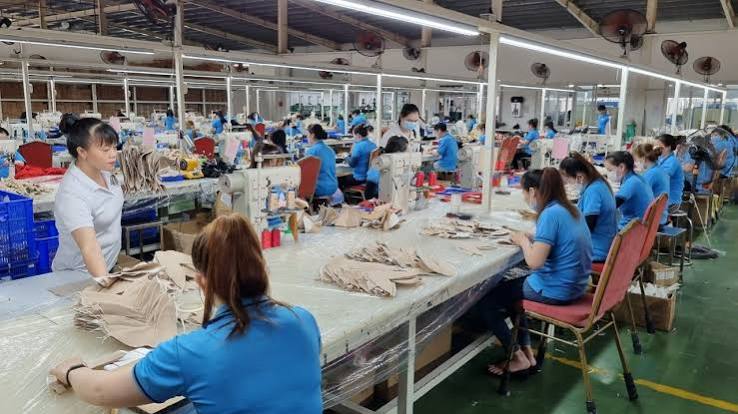
Garment Quality Control Checklist: Improve Product Quality and Customer Satisfaction
Quality is one of the most important factors in the garment industry. Customers expect clothing that looks good, fits properly, feels comfortable, and lasts through repeated use. Therefore, manufacturers, suppliers, and retailers must maintain strict quality standards throughout the production process. A Garment Quality Control Checklist helps organizations inspect garments systematically before they reach customers. As a result, businesses can reduce defects, improve consistency, protect brand reputation, and increase customer satisfaction.
Whether you manufacture fashion apparel, uniforms, sportswear, workwear, children's clothing, or luxury garments, a structured quality control checklist helps ensure every product meets expectations.
What Is a Garment Quality Control Checklist?
A Garment Quality Control Checklist is a standardized inspection document used to evaluate garment quality at different stages of production.
The checklist helps inspectors assess:
- Fabric quality
- Stitching accuracy
- Measurements
- Appearance
- Labeling
- Packaging
- Compliance requirements
Consequently, organizations can identify defects early and prevent non-conforming products from reaching the market.
Why Is a Garment Quality Control Checklist Important?
Even minor defects can lead to customer complaints, product returns, and brand damage.
A quality control checklist helps organizations:
- Improve product consistency
- Reduce manufacturing defects
- Increase customer satisfaction
- Strengthen brand reputation
- Minimize returns and exchanges
- Improve production efficiency
- Support quality assurance programs
- Maintain compliance with customer requirements
Furthermore, consistent inspections help manufacturers maintain high production standards.
When Should Garment Quality Inspections Be Conducted?
Quality inspections should occur throughout the manufacturing process.
Common inspection stages include:
- Raw material inspection
- Pre-production inspection
- In-line production inspection
- Final quality inspection
- Pre-shipment inspection
As a result, defects can be identified and corrected before they become larger issues.
Key Components of a Garment Quality Control Checklist
Product Information Verification
Inspectors should verify:
- Product name
- Style number
- Purchase order number
- Batch number
- Size specifications
- Color requirements
Accurate product identification helps maintain traceability throughout production.
Fabric Quality Inspection
Fabric quality directly affects garment performance and appearance.
Inspectors should review:
- Fabric defects
- Color consistency
- Fabric weight
- Material composition
- Surface imperfections
- Shrinkage concerns
Therefore, organizations can identify material issues before production progresses.
Stitching and Sewing Inspection
Proper stitching is critical for garment durability.
Inspection points include:
- Stitch density
- Seam strength
- Loose threads
- Missed stitches
- Seam alignment
- Thread quality
As a result, garments maintain structural integrity and appearance.
Measurement Verification
Garments must meet approved size specifications.
Inspectors should measure:
- Chest width
- Waist measurements
- Sleeve length
- Garment length
- Shoulder width
- Inseam dimensions
Consequently, customers receive products that fit as intended.
Visual Appearance Inspection
The garment should meet aesthetic requirements.
Inspectors evaluate:
- Overall appearance
- Fabric defects
- Stains
- Wrinkles
- Color matching
- Symmetry
Additionally, visual inspections help protect brand image.
Trims and Accessories Inspection
Garments often include additional components.
Review:
- Buttons
- Zippers
- Snaps
- Drawstrings
- Labels
- Decorative accessories
Every component should function correctly and meet specifications.
Labeling and Branding Verification
Accurate labeling supports compliance and customer satisfaction.
Inspectors should verify:
- Brand labels
- Care instructions
- Size labels
- Country of origin labels
- Compliance markings
Therefore, garments meet legal and customer requirements.
Packaging Inspection
Packaging protects products during storage and transportation.
Inspection areas include:
- Packaging quality
- Product folding
- Barcode accuracy
- Carton condition
- Packaging labels
As a result, products arrive in excellent condition.
Garment Quality Control Checklist Example
Product Details
- Product Name
- Style Number
- Inspection Date
- Inspector Name
- Batch Number
Fabric Inspection
- Fabric free from defects
- Color matches specifications
- Material quality acceptable
- Fabric dimensions verified
Construction Inspection
- Stitching consistent
- Seams secure
- Loose threads removed
- Trims attached correctly
Measurement Verification
- Measurements within tolerance
- Size labels accurate
- Fit requirements met
Packaging Verification
- Packaging complete
- Labels attached
- Cartons correctly marked
Final Approval
- Inspection passed
- Corrective actions completed
- Product approved for shipment
Common Garment Defects Identified During Quality Inspections
Quality inspections often reveal recurring issues.
Common defects include:
- Loose threads
- Broken stitches
- Fabric stains
- Incorrect measurements
- Color inconsistencies
- Missing labels
- Damaged zippers
- Packaging errors
- Fabric holes
- Seam puckering
Because inspectors identify these issues early, manufacturers can take corrective action before shipment.
Benefits of Using a Garment Quality Control Checklist
Organizations that implement structured inspections often achieve:
- Higher product quality
- Better customer satisfaction
- Fewer returns and complaints
- Improved production consistency
- Reduced waste
- Stronger supplier accountability
- Better compliance management
- Enhanced brand reputation
Moreover, consistent inspections support continuous improvement initiatives.
How eAuditor Audits & Inspections Handles Garment Quality Control Checklists
Paper-based quality inspections can create delays, incomplete records, and inconsistent reporting. However, eAuditor Audits & Inspections provides a digital solution that streamlines garment quality management.
Digital Garment Inspection Templates
eAuditor enables manufacturers and quality teams to create customized garment quality control checklists.
Benefits include:
- Standardized inspections
- Consistent quality standards
- Faster inspections
- Improved reporting accuracy
As a result, inspection teams work more efficiently.
Mobile Inspection Capabilities
Inspectors can perform quality checks using smartphones or tablets.
This allows teams to:
- Inspect garments on-site
- Record findings instantly
- Access templates anywhere
- Complete inspections faster
Consequently, production delays are reduced.
Photo and Evidence Collection
eAuditor allows inspectors to capture:
- Product photos
- Defect images
- Comments
- Supporting documentation
Therefore, quality issues become easier to review and resolve.
Automated Corrective Action Management
When inspectors identify defects, corrective actions can be assigned immediately.
Organizations can:
- Assign responsibilities
- Track corrective actions
- Monitor progress
- Verify completion
This improves accountability across production teams.
Real-Time Reporting and Dashboards
eAuditor provides immediate access to inspection results.
Managers can:
- Monitor quality performance
- Track defect trends
- Analyze recurring issues
- Improve production processes
As a result, decision-making becomes more proactive.
Centralized Quality Records
All inspection data remains securely stored in one platform.
This includes:
- Quality inspection reports
- Corrective actions
- Audit records
- Compliance documents
- Historical inspection results
Because information remains organized, audits and customer reviews become easier to manage.
Analytics for Continuous Improvement
eAuditor transforms inspection data into actionable insights.
Organizations can:
- Reduce defect rates
- Improve manufacturing consistency
- Strengthen supplier management
- Enhance customer satisfaction
Therefore, quality programs become more effective over time.
Garment Quality Control Checklist Resources
The following eAuditor resources provide useful information related to quality inspections, manufacturing audits, operational excellence, and compliance management.
Quality Inspection Templates
https://library.eauditor.app/
Manufacturing Audit Checklists
https://library.eauditor.app/en
eAuditor Blog
https://eauditor.app/blog
Quality Management Resources
https://eauditor.app/blog/category/quality-management/
Manufacturing Operations Articles
https://eauditor.app/blog/category/operations-management/
Best Practices for Garment Quality Control
Inspect Products at Multiple Stages
Multiple inspection points help identify defects early.
Use Standardized Quality Criteria
Consistent standards improve inspection accuracy.
Train Quality Inspectors Regularly
Skilled inspectors identify issues more effectively.
Document Defects Thoroughly
Detailed records support corrective actions and process improvements.
Adopt Digital Inspection Solutions
Digital tools improve visibility, reporting, and quality management.
Conclusion
A Garment Quality Control Checklist helps manufacturers deliver high-quality products while reducing defects and improving customer satisfaction. Moreover, structured inspections support consistency, compliance, and operational excellence.
When organizations use eAuditor Audits & Inspections, they streamline quality inspections, automate corrective actions, improve reporting, and gain valuable operational insights. As a result, businesses can strengthen quality programs, protect their brand reputation, and achieve higher customer confidence.
Frequently Asked Questions
1. What is a Garment Quality Control Checklist?
A Garment Quality Control Checklist is a structured inspection tool used to verify garment quality, appearance, measurements, labeling, and compliance requirements.
2. Why is garment quality control important?
Quality control helps reduce defects, improve customer satisfaction, and protect brand reputation.
3. What stages of garment production require inspections?
Inspections are commonly conducted during raw material review, in-line production, final inspection, and pre-shipment stages.
4. What are common garment defects?
Common defects include loose threads, stitching errors, fabric stains, incorrect measurements, damaged trims, and labeling mistakes.
5. Who performs garment quality inspections?
Quality inspectors, quality assurance teams, production supervisors, and third-party auditors often conduct inspections.
6. How can manufacturers improve garment quality?
Manufacturers can use standardized inspections, train employees, monitor production quality, and implement corrective actions.
7. Why is measurement verification important?
Accurate measurements ensure garments meet size specifications and customer expectations.
8. How does eAuditor support garment quality inspections?
eAuditor provides digital checklists, mobile inspections, photo documentation, corrective action tracking, centralized records, and real-time reporting.
9. Can digital inspections replace paper-based quality checks?
Yes. Digital inspections improve efficiency, reporting accuracy, traceability, and compliance management.
10. What benefits do digital quality inspection tools provide?
Digital tools help organizations reduce defects, improve consistency, enhance visibility, strengthen compliance, and support continuous improvement. https://eauditor.app/2026/06/28/garment-quality-control-checklist/


Comments
Post a Comment