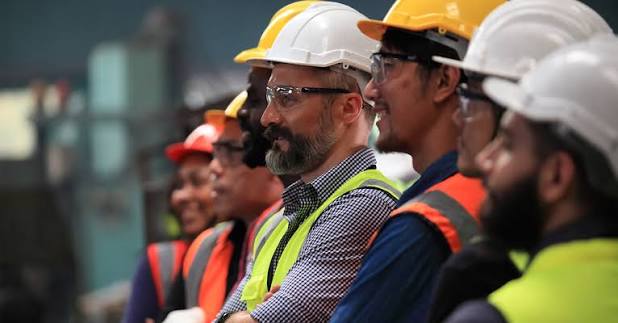
OSHA Toolbox Talk: Preventing Slips, Trips and Falls
Slips, trips, and falls remain among the most common workplace incidents across nearly every industry. While many of these incidents seem minor at first, they can lead to serious injuries, lost productivity, increased costs, and operational disruptions. Therefore, organizations must take proactive steps to reduce these risks through regular safety communication and workplace inspections. An OSHA Toolbox Talk on Preventing Slips, Trips and Falls helps employees recognize hazards, understand safe work practices, and maintain awareness throughout their daily tasks. As a result, businesses can create safer work environments and strengthen their overall safety culture.
Whether you manage a construction site, warehouse, manufacturing facility, office building, healthcare center, retail store, or logistics operation, a structured toolbox talk helps keep safety at the forefront of every workday.
What Is an OSHA Toolbox Talk on Preventing Slips, Trips and Falls?
An OSHA Toolbox Talk on Preventing Slips, Trips and Falls is a short, focused safety discussion that educates employees about common walking and working surface hazards.
The toolbox talk typically covers:
- Slip hazards
- Trip hazards
- Fall hazards
- Safe housekeeping practices
- Proper footwear
- Hazard reporting
- Workplace inspections
- Preventive safety measures
Consequently, employees become more aware of risks and more likely to follow safe work practices.
Why Is Slip, Trip, and Fall Prevention Important?
Many workplace injuries result from conditions that employees encounter every day. Therefore, preventing slips, trips, and falls requires consistent attention and communication.
A slip, trip, and fall prevention toolbox talk helps organizations:
- Reduce workplace injuries
- Improve employee awareness
- Strengthen safety culture
- Support regulatory compliance
- Improve housekeeping practices
- Reduce workers' compensation claims
- Increase productivity
- Enhance workplace morale
Furthermore, regular safety discussions encourage employees to actively participate in hazard identification and prevention.
Common Causes of Slips, Trips and Falls
Understanding common hazards helps employees avoid accidents before they occur.
Common causes include:
- Wet floors
- Uneven walking surfaces
- Loose cables
- Cluttered walkways
- Poor lighting
- Damaged flooring
- Unsecured mats
- Improper footwear
- Ice and snow accumulation
- Obstructed pathways
As a result, employees can recognize hazards quickly and take appropriate action.
Key Topics to Cover During a Toolbox Talk
Understanding Slip Hazards
Slips occur when there is insufficient traction between footwear and the walking surface.
Examples include:
- Water spills
- Oil leaks
- Grease buildup
- Recently cleaned floors
- Weather-related moisture
Therefore, employees should remain alert and report hazardous conditions immediately.
Recognizing Trip Hazards
Trips often occur when employees encounter unexpected obstacles.
Common trip hazards include:
- Extension cords
- Tools left on floors
- Uneven surfaces
- Construction debris
- Open drawers
Consequently, maintaining organized work areas becomes essential.
Preventing Fall Hazards
Falls can occur at the same level or from elevated surfaces.
Review:
- Ladder safety
- Stairway use
- Guardrail protection
- Elevated work platforms
- Fall protection systems
As a result, workers gain a better understanding of how to stay safe while working at height.
Proper Housekeeping Practices
Good housekeeping significantly reduces safety risks.
Employees should:
- Clean spills immediately
- Remove clutter
- Store equipment properly
- Keep exits clear
- Maintain organized workspaces
Therefore, workplaces become safer and more efficient.
Appropriate Footwear
Footwear plays an important role in preventing slips and falls.
Workers should wear:
- Slip-resistant shoes
- Properly fitted footwear
- Industry-approved safety footwear
Consequently, traction and stability improve in various work environments.
Hazard Reporting
Employees should report hazards as soon as they identify them.
Examples include:
- Damaged flooring
- Loose handrails
- Obstructions
- Water leaks
- Unsafe work areas
Prompt reporting helps prevent injuries before they occur.
OSHA Toolbox Talk Example Discussion Points
Before Starting Work
- Inspect work areas
- Identify hazards
- Verify walkways are clear
- Check lighting conditions
During Work Activities
- Maintain good housekeeping
- Follow safe work procedures
- Wear proper footwear
- Stay aware of surroundings
End of Shift Review
- Remove waste materials
- Store tools properly
- Report hazards
- Correct unsafe conditions
As a result, employees contribute to a safer workplace throughout the day.
Common Findings During Slip, Trip and Fall Inspections
Routine inspections often identify recurring issues.
Common findings include:
- Wet walking surfaces
- Blocked pathways
- Damaged flooring
- Loose cables
- Inadequate lighting
- Poor housekeeping
- Missing warning signs
- Improper ladder use
- Unsecured floor mats
- Delayed maintenance repairs
Because these issues are identified early, organizations can reduce injury risks significantly.
Benefits of Conducting Regular Toolbox Talks
Organizations that conduct toolbox talks consistently often achieve:
- Improved employee awareness
- Fewer workplace injuries
- Better safety communication
- Increased hazard reporting
- Stronger compliance performance
- Improved employee engagement
- Better housekeeping standards
- Enhanced safety culture
Moreover, frequent safety discussions reinforce safe behaviors and expectations.
How eAuditor Audits & Inspections Supports OSHA Toolbox Talks
Traditional toolbox talks often rely on paper sign-in sheets and manual recordkeeping. As a result, tracking participation and follow-up actions can become difficult. However, eAuditor Audits & Inspections provides a digital solution that simplifies safety communication and workplace inspections.
Digital Toolbox Talk Templates
eAuditor allows organizations to create customized toolbox talk forms that align with workplace hazards and safety objectives.
Benefits include:
- Standardized discussions
- Consistent documentation
- Improved record accuracy
- Faster reporting
As a result, organizations maintain better oversight of safety programs.
Mobile Safety Meeting Management
Supervisors can conduct toolbox talks using smartphones or tablets.
This enables teams to:
- Record attendance instantly
- Document discussion topics
- Capture participant feedback
- Store records electronically
Consequently, safety meetings become easier to manage.
Photo and Evidence Documentation
eAuditor allows users to attach:
- Hazard photos
- Inspection findings
- Corrective action evidence
- Workplace condition records
Therefore, safety documentation becomes more detailed and actionable.
Automated Corrective Actions
When hazards are identified during toolbox talks or inspections, eAuditor enables immediate action management.
Organizations can:
- Assign corrective actions
- Set deadlines
- Monitor progress
- Verify completion
This helps ensure that safety concerns receive timely attention.
Real-Time Reporting and Dashboards
eAuditor provides instant visibility into safety performance.
Managers can:
- Monitor toolbox talk completion
- Track safety observations
- Review recurring hazards
- Analyze incident trends
As a result, leadership teams gain valuable insights into workplace safety performance.
Centralized Safety Records
All safety documentation remains securely stored within one platform.
Organizations can manage:
- Toolbox talks
- Safety inspections
- Corrective actions
- Incident reports
- Compliance records
Because information remains centralized, audits and compliance reviews become easier.
Analytics for Continuous Improvement
eAuditor transforms safety data into actionable insights.
Organizations can:
- Improve safety programs
- Identify recurring hazards
- Strengthen employee training
- Reduce incident rates
- Support proactive risk management
Therefore, businesses can continuously improve workplace safety performance.
OSHA Toolbox Talk: Preventing Slips, Trips and Falls Resources
The following verified eAuditor resources provide valuable information related to workplace inspections, safety programs, and hazard management.
eAuditor Template Library
https://library.eauditor.app/
eAuditor Blog
https://eauditor.app/blog
Safety Management Resources
https://eauditor.app/blog/category/safety-management/
Workplace Inspection Guidance
https://eauditor.app/blog/workplace-inspection/
Best Practices for Preventing Slips, Trips and Falls
Conduct Regular Inspections
Routine inspections help identify hazards before incidents occur.
Maintain Excellent Housekeeping
Clean and organized workplaces reduce risks significantly.
Encourage Hazard Reporting
Employees should report unsafe conditions immediately.
Provide Ongoing Safety Training
Regular toolbox talks help reinforce safe work practices.
Use Digital Safety Management Tools
Digital platforms improve reporting, accountability, visibility, and long-term record management.
Conclusion
An OSHA Toolbox Talk on Preventing Slips, Trips and Falls helps organizations reduce injuries, improve hazard awareness, and strengthen workplace safety. Moreover, regular discussions encourage employees to identify risks and follow safe work practices every day.
When organizations use eAuditor Audits & Inspections, they digitize toolbox talks, centralize records, automate corrective actions, and gain real-time visibility into workplace safety performance. As a result, teams can proactively manage risks, improve compliance, and create safer work environments for everyone.
Frequently Asked Questions
1. What is an OSHA Toolbox Talk on Preventing Slips, Trips and Falls?
It is a short safety discussion designed to educate employees about common walking and working surface hazards and how to prevent them.
2. Why are slips, trips, and falls a major workplace concern?
They are among the most common causes of workplace injuries across many industries.
3. Who should participate in toolbox talks?
Employees, supervisors, contractors, and site managers should participate in relevant safety discussions.
4. How often should toolbox talks be conducted?
Many organizations conduct toolbox talks daily, weekly, or before high-risk activities.
5. What are common slip hazards?
Common slip hazards include wet floors, oil spills, icy surfaces, and poor traction conditions.
6. What are common trip hazards?
Common trip hazards include loose cables, cluttered walkways, uneven surfaces, and construction debris.
7. How does eAuditor support toolbox talks?
eAuditor provides digital templates, attendance tracking, mobile documentation, corrective action management, analytics, and centralized recordkeeping.
8. Why is housekeeping important for preventing falls?
Good housekeeping removes hazards, improves visibility, and reduces the likelihood of accidents.
9. What benefits do digital safety management tools provide?
Digital tools improve efficiency, reporting accuracy, accountability, compliance management, and safety performance visibility.
10. How can organizations reduce slip, trip, and fall incidents?
Organizations can reduce incidents through regular inspections, effective housekeeping, employee training, hazard reporting, and digital safety management solutions. https://eauditor.app/2026/07/19/osha-toolbox-talk/


Comments
Post a Comment