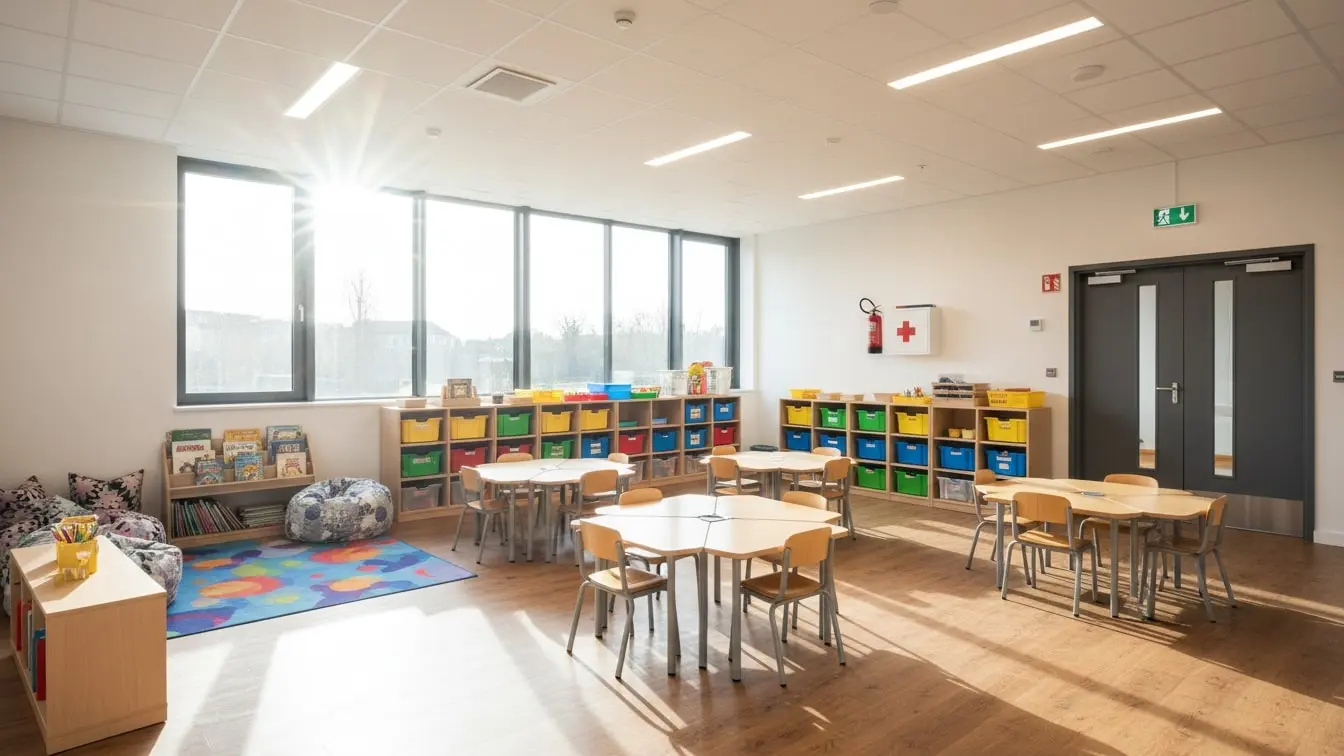
School Health and Safety Audit Checklist Guide: A Complete Framework for Creating Safer Learning Environments
Every student deserves a safe place to learn. Likewise, every teacher, staff member, and visitor deserves a healthy and secure environment. Therefore, schools must regularly evaluate their facilities, procedures, and safety controls to identify risks before they become incidents. A School Health and Safety Audit Checklist Guide helps educational institutions take a proactive approach to safety management.
A structured audit process allows schools to review hazards, assess compliance, improve emergency preparedness, and strengthen overall safety performance. As a result, schools can reduce risks, protect people, and create an environment that supports learning and well-being.
Whether you manage a preschool, primary school, secondary school, college, university, or training center, a School Health and Safety Audit Checklist helps ensure that safety remains a daily priority.
What Is a School Health and Safety Audit Checklist?
A School Health and Safety Audit Checklist is a structured assessment tool used to evaluate health, safety, emergency preparedness, facility conditions, and regulatory compliance within educational environments.
The checklist helps schools assess:
- Building safety
- Emergency preparedness
- Fire safety systems
- Classroom conditions
- Playground safety
- Health and hygiene practices
- Security measures
- Staff and student safety procedures
Consequently, school leaders gain a clear understanding of potential risks and improvement opportunities.
Why Is a School Health and Safety Audit Important?
Schools face many safety challenges every day. Therefore, routine audits help identify concerns before they affect students or staff.
A School Health and Safety Audit helps schools:
- Improve student safety
- Protect employees and visitors
- Reduce accidents and injuries
- Strengthen compliance efforts
- Improve emergency preparedness
- Enhance facility management
- Support risk reduction strategies
- Promote a positive learning environment
Furthermore, regular audits demonstrate a commitment to student welfare and operational excellence.
When Should Schools Conduct Health and Safety Audits?
Schools should perform audits regularly throughout the year.
Common audit schedules include:
- Annual safety audits
- Quarterly inspections
- Monthly facility reviews
- Pre-term assessments
- Post-renovation inspections
- Emergency preparedness evaluations
- Playground safety inspections
- Regulatory compliance reviews
As a result, schools maintain consistent oversight of safety performance.
Key Components of a School Health and Safety Audit Checklist
School Information
Every audit should begin with accurate administrative details.
Record:
- School name
- Campus location
- Audit date
- Auditor name
- School administrator
- Department reviewed
Accurate information supports effective recordkeeping and follow-up.
Building and Facility Safety
The physical condition of school facilities directly affects safety.
Inspect:
- Building structure
- Flooring conditions
- Stairways
- Handrails
- Doors and exits
- Lighting systems
Consequently, schools can address facility hazards before accidents occur.
Fire Safety Systems
Fire protection measures require regular evaluation.
Review:
- Emergency exits
- Fire extinguishers
- Fire alarms
- Evacuation maps
- Fire drills
- Emergency lighting
Therefore, schools improve emergency response readiness.
Classroom Safety
Classrooms should support safe and productive learning.
Assess:
- Furniture condition
- Electrical safety
- Classroom organization
- Ventilation
- Learning equipment
- Accessibility
A safe classroom environment supports both learning and well-being.
Playground and Outdoor Safety
Outdoor areas often present unique risks.
Inspect:
- Playground equipment
- Surface conditions
- Sports facilities
- Fencing
- Walkways
- Outdoor lighting
As a result, schools reduce the likelihood of injuries during recreational activities.
Health and Hygiene Controls
Healthy environments support student success.
Review:
- Handwashing facilities
- Restroom cleanliness
- Cleaning procedures
- Waste disposal
- Drinking water access
- Infection control measures
Strong hygiene practices help prevent illness and absenteeism.
Emergency Preparedness
Schools should prepare for a wide range of emergencies.
Evaluate:
- Emergency plans
- Communication procedures
- First aid resources
- Evacuation drills
- Lockdown procedures
- Emergency contacts
Consequently, schools can respond more effectively during critical situations.
Security Measures
Security remains a key component of school safety.
Assess:
- Visitor management
- Access control
- Security cameras
- Perimeter security
- Staff identification procedures
- Incident reporting systems
Improved security helps protect students and staff.
School Health and Safety Audit Checklist Example
School Details
- Audit Date
- School Name
- Campus Location
- Auditor Name
Facility Safety
- Building condition acceptable
- Emergency exits accessible
- Lighting functioning properly
- Walkways free from hazards
Fire Safety
- Fire extinguishers inspected
-
- Evacuation plans posted
- Fire alarms tested
-
- Emergency drills completed
Health and Hygiene
- Restrooms clean
- Handwashing stations operational
- Cleaning schedules followed
- Waste managed properly
Security Assessment
- Visitor procedures implemented
- Access controls functioning
- Security equipment operational
Corrective Actions
- Hazards identified
- Corrective actions assigned
- Completion deadlines established
Common Issues Identified During School Safety Audits
Routine audits frequently uncover areas requiring improvement.
Common findings include:
- Blocked emergency exits
- Damaged playground equipment
- Inadequate signage
- Poor housekeeping
- Fire extinguisher maintenance issues
- Electrical hazards
- Security gaps
- Incomplete emergency plans
- Insufficient staff training
- Delayed corrective actions
Because schools identify these issues early, they can reduce risks before incidents occur.
Benefits of Using a School Health and Safety Audit Checklist
Schools that conduct structured audits often achieve:
- Improved student safety
- Better regulatory compliance
- Stronger emergency preparedness
- Reduced accident rates
- Better facility management
- Increased staff awareness
- Improved documentation
- Enhanced school reputation
Moreover, consistent audits support a culture of safety and accountability.
How eAuditor Audits & Inspections Handles School Health and Safety Audits
Paper-based audits can be time-consuming and difficult to manage. Reports may become misplaced, corrective actions can be delayed, and visibility may be limited. However, eAuditor Audits & Inspections provides a digital solution that simplifies school health and safety management.
Digital Audit Templates
eAuditor allows schools to create customized health and safety audit checklists.
Benefits include:
- Standardized inspections
- Consistent evaluations
- Faster reporting
- Improved documentation accuracy
As a result, schools maintain more reliable safety records.
Mobile Inspection Capabilities
Staff can conduct audits using smartphones or tablets.
This enables users to:
- Complete inspections in real time
- Access checklists anywhere
- Capture findings instantly
- Work offline when necessary
Consequently, inspections become more efficient and accurate.
Photo and Evidence Collection
eAuditor allows auditors to attach:
- Hazard photographs
- Inspection notes
- Supporting documents
- Corrective action evidence
Therefore, schools maintain detailed records that support accountability.
Automated Corrective Actions
When hazards are identified, eAuditor allows immediate action assignment.
Schools can:
- Assign responsibilities
- Set due dates
- Monitor progress
- Verify completion
This helps ensure that safety issues receive timely attention.
Real-Time Reporting and Dashboards
eAuditor provides instant access to audit findings.
School leaders can:
- Monitor safety performance
- Review outstanding actions
- Track compliance trends
- Identify recurring hazards
As a result, decision-makers gain greater visibility into school safety.
Centralized Documentation
All audit records remain securely stored in one platform.
Schools can manage:
- Safety inspections
- Audit reports
- Corrective actions
- Emergency preparedness records
- Compliance documentation
Because records remain centralized, audits and reviews become easier.
Analytics for Continuous Improvement
eAuditor transforms audit data into meaningful insights.
Schools can:
- Identify safety trends
- Improve risk management
- Strengthen compliance programs
- Enhance emergency preparedness
- Improve overall safety performance
Therefore, schools continuously improve their health and safety programs.
School Health and Safety Audit Checklist Resources
The following verified eAuditor resources provide useful information on inspections, audits, safety management, and operational compliance.
eAuditor Template Library
https://library.eauditor.app/
eAuditor Blog
https://eauditor.app/blog
Safety Management Articles
https://eauditor.app/blog/category/safety-management/
Best Practices for School Health and Safety Audits
Conduct Audits Regularly
Routine inspections help identify hazards before incidents occur.
Involve Multiple Stakeholders
Teachers, administrators, maintenance teams, and safety personnel provide valuable perspectives.
Document Findings Clearly
Detailed records improve accountability and corrective action tracking.
Follow Up on Corrective Actions
Timely follow-up helps ensure that identified risks are addressed.
Use Digital Audit Tools
Digital solutions improve visibility, reporting, collaboration, and long-term record management.
Conclusion
A School Health and Safety Audit Checklist Guide helps educational institutions create safer environments for students, staff, and visitors. Moreover, structured audits improve compliance, strengthen emergency preparedness, and support continuous improvement.
When schools use eAuditor Audits & Inspections, they digitize inspections, centralize safety records, automate corrective actions, and gain real-time visibility into safety performance. As a result, schools can focus more on education while maintaining a strong commitment to health, safety, and operational excellence.
Frequently Asked Questions
1. What is a School Health and Safety Audit Checklist?
A School Health and Safety Audit Checklist is a structured tool used to assess safety, health, security, and compliance within educational facilities.
2. Why is a school safety audit important?
It helps identify hazards, improve compliance, strengthen emergency preparedness, and protect students and staff.
3. Who should conduct school safety audits?
School administrators, safety officers, facility managers, maintenance teams, and designated auditors commonly conduct these audits.
4. What areas should a school safety audit cover?
Audits should cover facilities, fire safety, classrooms, playgrounds, hygiene, emergency preparedness, and security measures.
5. How often should schools conduct health and safety audits?
Schools should conduct audits regularly, with many organizations performing annual, quarterly, and monthly reviews.
6. What are common findings during school safety audits?
Common findings include blocked exits, damaged equipment, housekeeping issues, fire safety deficiencies, and security concerns.
7. How does eAuditor support school safety inspections?
eAuditor provides digital templates, mobile inspections, photo documentation, corrective action management, centralized records, analytics, and real-time reporting.
8. Why is emergency preparedness included in school audits?
Emergency preparedness helps schools respond effectively to fires, severe weather, security incidents, and other emergencies.
9. What benefits do digital safety audits provide?
Digital audits improve efficiency, accuracy, reporting, collaboration, accountability, and long-term record management.
10. How can schools improve their health and safety programs?
Schools can improve safety by conducting regular audits, addressing corrective actions promptly, training staff, and using digital inspection tools. https://eauditor.app/2026/07/19/school-health-and-safety-audit-checklist-guide/


Comments
Post a Comment