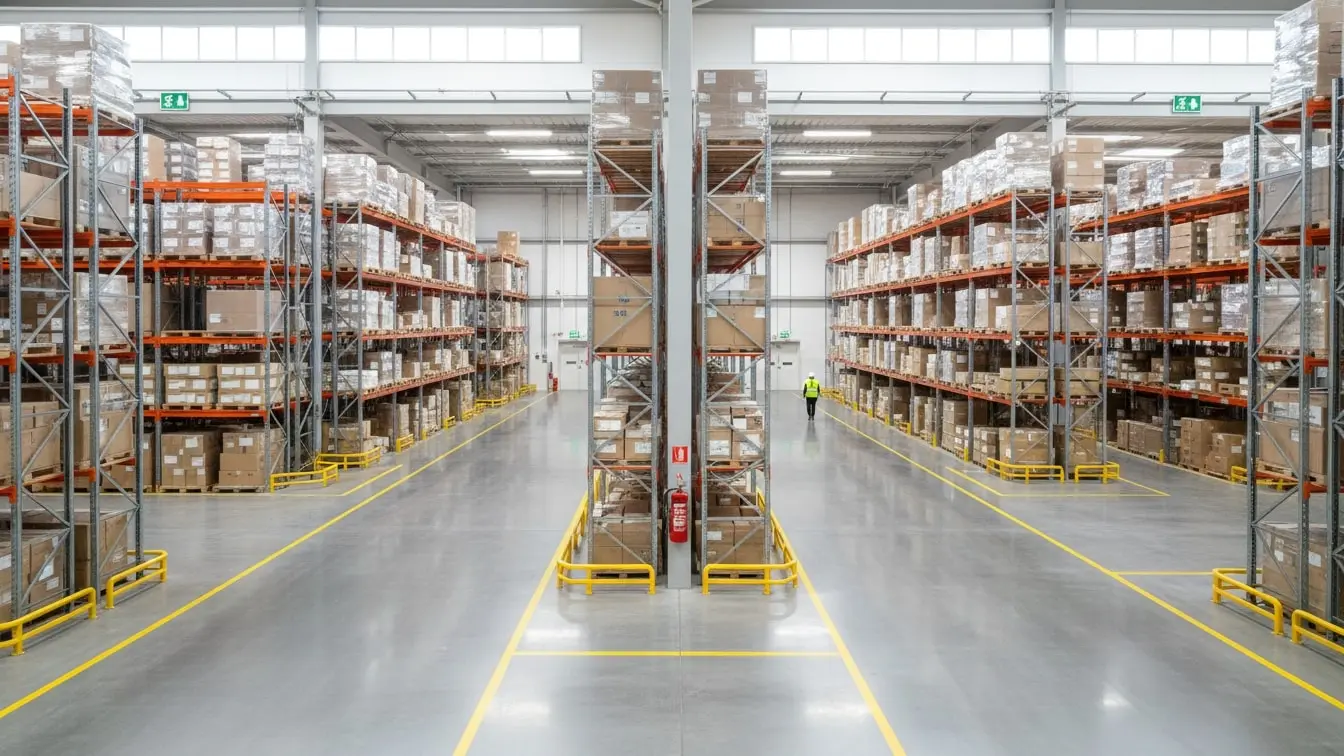
Warehouse Walkthrough Checklist: A Complete Guide to Safer and More Efficient Warehouse Operations
Warehouses move products, materials, and inventory every day. Therefore, even small safety issues or operational gaps can quickly lead to accidents, damaged goods, reduced productivity, or compliance concerns. A Warehouse Walkthrough Checklist helps organizations identify risks, improve workplace conditions, and maintain smooth operations.
Regular warehouse walkthroughs provide valuable insights into facility conditions, employee practices, equipment performance, and safety compliance. As a result, managers can address issues before they become costly problems.
Whether you manage a distribution center, logistics hub, manufacturing warehouse, retail storage facility, or third-party logistics operation, a Warehouse Walkthrough Checklist helps create a safer and more productive workplace.
What Is a Warehouse Walkthrough Checklist?
A Warehouse Walkthrough Checklist is a structured inspection tool used to assess warehouse safety, housekeeping, inventory storage, equipment condition, employee practices, and operational compliance.
The checklist helps evaluate:
- Warehouse cleanliness
- Material storage practices
- Equipment condition
- Employee safety compliance
- Emergency preparedness
- Traffic management
- Inventory organization
- Facility maintenance
Consequently, organizations gain a clear understanding of warehouse performance and potential risks.
Why Is a Warehouse Walkthrough Checklist Important?
Warehouses contain numerous hazards, including moving equipment, high shelving, heavy materials, and busy work areas. Therefore, regular inspections help prevent incidents and improve efficiency.
A Warehouse Walkthrough Checklist helps organizations:
- Improve workplace safety
- Reduce accidents and injuries
- Enhance operational efficiency
- Protect inventory
- Improve housekeeping standards
- Support compliance efforts
- Identify maintenance needs
- Strengthen risk management
Furthermore, routine walkthroughs encourage a culture of safety and accountability.
When Should Warehouse Walkthroughs Be Conducted?
Warehouse inspections should occur regularly to maintain operational excellence.
Common schedules include:
- Daily walkthroughs
- Weekly inspections
- Monthly safety reviews
- Pre-shift inspections
- Post-incident assessments
- Seasonal safety reviews
- Compliance inspections
- Facility audits
As a result, managers can identify and resolve issues quickly.
Key Components of a Warehouse Walkthrough Checklist
Facility Information
Every walkthrough should begin with basic inspection details.
Record:
- Warehouse name
- Inspection date
- Inspector name
- Department
- Shift information
- Location inspected
Accurate records improve reporting and accountability.
Housekeeping and Cleanliness
Clean facilities reduce hazards and improve productivity.
Inspect:
- Floors free from debris
- Waste properly disposed of
- Spill management procedures
- Clean workstations
- Organized storage areas
- Clear walkways
Therefore, employees can move safely throughout the facility.
Storage and Inventory Management
Proper storage helps prevent damage and accidents.
Review:
- Pallet condition
- Shelf stability
- Product stacking practices
- Inventory labeling
- Storage limits
- Aisle accessibility
Consequently, inventory remains secure and easy to locate.
Material Handling Equipment
Equipment should remain safe and operational.
Inspect:
- Forklifts
- Pallet jacks
- Conveyor systems
- Lifting equipment
- Charging stations
- Maintenance records
Routine inspections help prevent equipment failures.
Employee Safety Practices
Employee behavior plays a key role in warehouse safety.
Observe:
- Personal protective equipment usage
- Safe lifting techniques
- Equipment operation practices
- Hazard reporting
- Compliance with procedures
- Training participation
As a result, organizations strengthen workplace safety culture.
Fire Safety and Emergency Preparedness
Emergency systems must remain accessible and functional.
Review:
- Fire extinguishers
- Emergency exits
- Evacuation routes
- Alarm systems
- Emergency lighting
- First aid kits
Therefore, warehouses remain prepared for emergencies.
Facility Maintenance
Facility conditions affect both safety and productivity.
Inspect:
- Lighting systems
- Electrical panels
- Dock doors
- Roofing conditions
- Floor surfaces
- Ventilation systems
Regular maintenance reduces operational disruptions.
Traffic Management
Warehouses often contain both pedestrian and vehicle traffic.
Assess:
- Marked walkways
- Traffic signage
- Forklift routes
- Speed controls
- Visibility at intersections
- Loading dock safety
Consequently, organizations reduce collision risks.
Warehouse Walkthrough Checklist Example
Inspection Information
- Warehouse Name
- Date
- Inspector
- Area Reviewed
Housekeeping
- Floors clean
- Walkways clear
- Waste removed
- Storage organized
Safety Compliance
- PPE worn correctly
- Emergency exits clear
- Fire equipment accessible
- Hazards reported
Equipment Inspection
- Forklifts inspected
- Equipment functioning properly
- Maintenance completed
Corrective Actions
- Issues identified
- Corrective actions assigned
- Deadlines established
Common Issues Identified During Warehouse Walkthroughs
Routine inspections often uncover operational concerns.
Common findings include:
- Blocked aisles
- Poor housekeeping
- Damaged pallets
- Improper storage practices
- Missing safety signage
- Equipment maintenance delays
- Fire safety deficiencies
- PPE non-compliance
- Inventory organization issues
- Loading dock hazards
Because managers identify these issues early, they can reduce operational risks significantly.
Benefits of Using a Warehouse Walkthrough Checklist
Organizations that conduct regular walkthroughs often achieve:
- Improved workplace safety
- Better inventory management
- Reduced equipment downtime
- Stronger compliance performance
- Improved operational efficiency
- Lower accident rates
- Better facility conditions
- Increased employee accountability
Moreover, documented inspections support audits and regulatory reviews.
How eAuditor Audits & Inspections Handles Warehouse Walkthroughs
Paper-based warehouse inspections can be difficult to manage. Reports may be delayed, corrective actions can be missed, and historical records may become difficult to access. However, eAuditor Audits & Inspections provides a digital platform that simplifies warehouse inspections and improves operational oversight.
Digital Warehouse Walkthrough Templates
eAuditor enables organizations to create customized warehouse inspection checklists.
Benefits include:
- Standardized inspections
- Consistent evaluations
- Faster reporting
- Improved documentation accuracy
As a result, inspection quality remains consistent across facilities.
Mobile Inspection Tools
Inspectors can conduct walkthroughs using smartphones or tablets.
This allows teams to:
- Complete inspections in real time
- Access forms anywhere
- Record findings instantly
- Continue inspections offline
Consequently, inspections become faster and more efficient.
Photo and Evidence Collection
eAuditor allows inspectors to attach:
- Hazard photographs
- Equipment images
- Maintenance records
- Corrective action evidence
Therefore, organizations maintain complete inspection records.
Automated Corrective Actions
When hazards or operational issues are identified, eAuditor enables immediate action assignment.
Organizations can:
- Assign responsibilities
- Set deadlines
- Monitor progress
- Verify completion
This improves accountability while reducing unresolved issues.
Real-Time Reporting and Dashboards
eAuditor provides immediate access to inspection results.
Managers can:
- Monitor safety performance
- Review recurring issues
- Track corrective actions
- Analyze operational trends
As a result, leaders make more informed decisions.
Centralized Documentation
All warehouse inspection records remain securely stored in one platform.
Organizations can manage:
- Walkthrough reports
- Safety inspections
- Maintenance records
- Corrective actions
- Compliance documentation
Because information remains centralized, audits become easier to manage.
Analytics for Continuous Improvement
eAuditor converts inspection data into actionable insights.
Organizations can:
- Improve safety performance
- Enhance operational efficiency
- Reduce recurring hazards
- Strengthen compliance
- Improve warehouse management
Therefore, warehouse operations continue to improve over time.
Warehouse Walkthrough Checklist Resources
The following verified eAuditor resources provide valuable information related to inspections, audits, safety management, and operational excellence.
eAuditor Template Library
https://library.eauditor.app/
eAuditor Blog
https://eauditor.app/blog
Safety Management Resources
https://eauditor.app/blog/category/safety-management/
Best Practices for Warehouse Walkthroughs
Conduct Inspections Regularly
Frequent walkthroughs help identify hazards before they escalate.
Focus on High-Risk Areas
Pay special attention to loading docks, storage racks, traffic routes, and equipment zones.
Document Findings Thoroughly
Detailed records improve corrective action tracking and accountability.
Follow Up on Identified Issues
Prompt corrective action reduces risk and improves compliance.
Use Digital Inspection Tools
Digital solutions improve visibility, reporting speed, collaboration, and long-term record management.
Conclusion
A Warehouse Walkthrough Checklist helps organizations improve safety, strengthen operational performance, and maintain compliance. Moreover, regular inspections support better inventory management, equipment reliability, and employee accountability.
When organizations use eAuditor Audits & Inspections, they digitize warehouse inspections, centralize records, automate corrective actions, and gain real-time visibility into operational performance. As a result, warehouse teams can work more safely, efficiently, and confidently every day.
Frequently Asked Questions
1. What is a Warehouse Walkthrough Checklist?
A Warehouse Walkthrough Checklist is a structured inspection tool used to evaluate warehouse safety, housekeeping, equipment, storage practices, and operational compliance.
2. Why is a warehouse walkthrough important?
It helps identify hazards, improve safety, enhance efficiency, and support regulatory compliance.
3. Who should conduct warehouse walkthroughs?
Warehouse managers, supervisors, safety officers, facility managers, and designated inspectors commonly conduct walkthroughs.
4. What areas should a warehouse walkthrough cover?
Inspections should include housekeeping, storage systems, equipment, employee safety practices, fire protection, maintenance, and traffic management.
5. How often should warehouse walkthroughs be performed?
Many organizations conduct daily, weekly, monthly, and compliance-based inspections depending on operational needs.
6. What are common issues found during warehouse inspections?
Common issues include blocked aisles, damaged pallets, poor housekeeping, equipment maintenance concerns, and safety compliance gaps.
7. How does eAuditor support warehouse inspections?
eAuditor provides digital templates, mobile inspections, photo documentation, corrective action management, centralized records, analytics, and real-time reporting.
8. Why is housekeeping important in warehouse operations?
Good housekeeping reduces hazards, improves efficiency, protects inventory, and supports workplace safety.
9. What benefits do digital warehouse inspections provide?
Digital inspections improve accuracy, efficiency, accountability, visibility, collaboration, and long-term documentation management.
10. How can organizations improve warehouse safety?
Organizations can improve safety through regular inspections, employee training, corrective action management, preventive maintenance, and digital inspection tools. https://eauditor.app/2026/07/19/warehouse-walkthrough-checklist/


Comments
Post a Comment