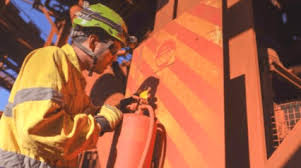
Fire Safety Audit - Industry Vetted
Fire can spread fast. Therefore, every workplace needs a clear fire safety plan and regular checks. A Fire Safety Audit - Industry Vetted helps organizations find fire hazards, check safety systems, and improve emergency readiness.
A fire safety audit does more than check equipment. It also reviews exits, alarms, fire doors, electrical risks, storage, training, and emergency procedures. Moreover, it gives teams a clear way to record findings and fix problems.
Whether you manage an office, factory, warehouse, hotel, school, healthcare facility, retail site, or residential building, regular fire safety audits can help protect people and property. In addition, a well-run audit can support compliance and business continuity.
What Is a Fire Safety Audit?
A fire safety audit is a structured review of a building's fire prevention and protection measures. It checks whether the site has suitable controls and whether those controls remain effective.
A typical audit reviews:
- Fire hazards and ignition sources.
- Fire alarms and detectors.
- Emergency exits.
- Emergency lighting.
- Fire doors.
- Fire suppression systems.
- Electrical safety.
- Storage and housekeeping.
- Evacuation plans.
- Fire drills and staff training.
- Inspection and maintenance records.
As a result, managers gain a clearer view of the site's fire safety condition.
Why Is a Fire Safety Audit Important?
A fire safety audit helps teams spot problems before an emergency occurs. Therefore, it supports prevention instead of simply reacting after an incident.
Regular audits can help organizations:
- Protect employees and visitors.
- Reduce fire risks.
- Improve emergency readiness.
- Check fire protection systems.
- Keep escape routes clear.
- Identify maintenance needs.
- Improve safety awareness.
- Track corrective actions.
- Support compliance efforts.
- Reduce operational disruption.
Furthermore, documented audits show that the organization actively monitors its fire safety controls.
Who Should Conduct a Fire Safety Audit?
A trained and competent person should conduct the audit. Depending on the building and its risks, this may include:
- Safety managers.
- Facility managers.
- Fire safety officers.
- Maintenance managers.
- Qualified inspectors.
- External fire safety professionals.
However, the auditor should understand the building, its activities, its occupants, and its fire risks.
When Should You Conduct a Fire Safety Audit?
Organizations should set an audit schedule based on their risks and applicable requirements. Audits may occur:
- At planned intervals.
- Before opening a new facility.
- After major building changes.
- After installing new fire systems.
- When repeated fire safety issues appear.
- After a fire or serious near miss.
- After significant changes in occupancy.
- Before an internal or external compliance review.
In addition, routine inspections should continue between formal audits.
Fire Safety Audit Checklist
General Building Information
Record:
- Building name.
- Site location.
- Inspection date.
- Auditor name.
- Building use.
- Number of floors.
- Occupancy information.
- Areas included in the audit.
Fire Hazard Identification
Check for:
- Sources of ignition.
- Combustible materials.
- Flammable liquids or gases.
- Unsafe heating equipment.
- Overloaded electrical equipment.
- Smoking-related risks.
- Hot work activities.
- Unsafe waste storage.
Therefore, the audit should identify both obvious and less visible fire hazards.
Fire Extinguishers
Inspect:
- Correct extinguisher type.
- Proper location.
- Easy access.
- Visible signage.
- Pressure indicator.
- Safety pin and seal.
- Physical condition.
- Inspection tag.
- Service records.
Moreover, damaged, blocked, or poorly maintained extinguishers need prompt attention. eAuditor's fire extinguisher guidance covers location, accessibility, type, pressure, condition, and maintenance checks. (eAuditor)
Fire Alarm and Detection Systems
Verify:
- Fire alarms operate correctly.
- Alarm devices remain visible and accessible.
- Control panels show no unresolved faults.
- Manual call points remain accessible.
- Smoke and heat detectors remain unobstructed.
- Testing records remain current.
- Backup systems receive suitable checks.
Consequently, teams can improve the chance of receiving an early warning during a fire.
Emergency Exits and Escape Routes
Check:
- Exit routes remain clear.
- Exit doors open correctly.
- Assembly points are identified.
- Exit signs remain visible.
- Emergency lighting works.
- Escape routes remain accessible.
- Fire exits remain free from storage.
Clear escape routes matter because people need to move quickly during an emergency. eAuditor's fire safety guidance includes accessible exits, clear escape routes, visible signs, and emergency lighting. (eAuditor)
Fire Doors and Compartmentation
Inspect:
- Fire doors remain undamaged.
- Doors close correctly.
- Self-closing devices work.
- Seals remain intact.
- Door frames remain sound.
- Fire doors are not wedged open.
- Areas around doors remain clear.
Fire doors can help slow the spread of smoke and flames. Therefore, teams should inspect them as part of the wider fire safety program. (eAuditor)
Fire Suppression Systems
Where installed, inspect:
- Sprinkler systems.
- Control valves.
- Water supply systems.
- Suppression equipment.
- Maintenance records.
- Inspection records.
- Access around system components.
As a result, organizations can identify issues that may affect system performance during a fire. eAuditor's fire protection guidance covers extinguishers, alarms, sprinklers, hose reels, emergency lighting, fire doors, and other protection equipment. (eAuditor)
Emergency Lighting and Signage
Verify:
- Emergency lights operate.
- Exit signs remain visible.
- Directional signs are clear.
- Signs remain in suitable locations.
- Testing records are maintained.
Therefore, occupants can find escape routes more easily when normal lighting fails.
Electrical Fire Risks
Check:
- Electrical panels remain accessible.
- Wiring shows no obvious damage.
- Extension cords are used safely.
- Electrical equipment receives maintenance.
- Temporary wiring is controlled.
- Overloaded outlets are avoided.
- Combustible materials remain away from heat sources.
Electrical issues can create ignition risks. Consequently, electrical safety should remain part of the fire audit. (eAuditor)
Housekeeping and Storage
Inspect:
- Work areas remain clean.
- Waste is removed promptly.
- Combustible materials are controlled.
- Storage areas remain organized.
- Fire equipment remains accessible.
- Materials remain clear of ignition sources.
Good housekeeping reduces unnecessary fuel sources. Therefore, simple cleaning and storage controls can support fire prevention.
Emergency Preparedness
Review:
- Emergency procedures are documented.
- Evacuation plans remain current.
- Emergency contacts remain accurate.
- Assembly points are defined.
- Fire drills occur as planned.
- Employees understand evacuation procedures.
- Training records are available.
Furthermore, teams should review emergency plans whenever building conditions, occupancy, or work activities change.
Fire Safety Training
Check:
- Employees receive fire safety training.
- New workers receive suitable induction.
- Refresher training occurs when needed.
- Fire wardens receive appropriate training.
- Training records remain current.
- Employees understand alarm and evacuation procedures.
Therefore, equipment and procedures have stronger value when people know how to use them.
Maintenance and Inspection Records
Review:
- Fire equipment service records.
- Alarm testing records.
- Sprinkler inspection records.
- Fire door inspection records.
- Emergency lighting checks.
- Fire drill records.
- Previous audit reports.
- Corrective action records.
Good records help teams prove that they monitor fire safety over time.
Corrective Actions
For each finding, record:
- The issue.
- The risk level.
- Photo evidence.
- Recommended action.
- Responsible person.
- Target date.
- Completion status.
- Verification result.
As a result, the audit becomes more than a report. It becomes a practical improvement process.
Common Fire Safety Audit Findings
Auditors often find issues that seem small but can create larger risks.
Common findings include:
- Blocked emergency exits.
- Expired or poorly maintained extinguishers.
- Damaged fire doors.
- Missing fire safety signs.
- Faulty emergency lighting.
- Poor storage practices.
- Combustible materials near ignition sources.
- Incomplete training records.
- Missing inspection records.
- Unresolved corrective actions.
Therefore, teams should treat every finding seriously and assign actions based on risk.
Benefits of a Digital Fire Safety Audit
A digital audit can make the process faster and easier to manage.
Key benefits include:
- Standardized audit forms.
- Mobile inspections.
- Real-time data capture.
- Photo evidence.
- Digital comments.
- Electronic signatures.
- Corrective action tracking.
- Automated reports.
- Centralized records.
- Better trend analysis.
Moreover, digital records make it easier for managers to review previous findings and spot recurring problems.
Best Practices for Fire Safety Audits
Inspect on a Planned Schedule
Set a schedule that matches the site's risks. Then, keep the schedule active and review it when conditions change.
Use the Same Core Checklist
A consistent checklist helps teams compare results across areas and locations. However, add site-specific questions when risks require them.
Capture Evidence
Use photos and notes to support important findings. This makes follow-up work clearer and more practical.
Fix High-Risk Issues First
Prioritize findings that could seriously affect life safety. Then, track lower-risk issues through the same corrective action process.
Review Repeat Findings
If the same issue appears again, look beyond the symptom. Instead, find the reason it keeps returning and improve the underlying control.
Keep Records Current
Maintain inspection, maintenance, training, and corrective action records. Therefore, teams can show a clear history of fire safety management.
How eAuditor Audits & Inspections Handles Fire Safety Audits
eAuditor Audits & Inspections helps organizations digitize the full fire safety audit process. Instead of carrying paper forms around a site, inspectors can use a phone or tablet to complete the audit, record observations, and attach evidence.
Custom Fire Safety Audit Templates
Teams can create or customize checklists for fire safety inspections, fire extinguishers, building audits, emergency preparedness, fire doors, and other fire protection areas.
The verified eAuditor Library includes a Fire Risk Assessment Checklist with sections for occupant details, escape routes, ignition sources, fuel sources, hazardous substances, combustible materials, and flammable materials. (eAuditor)
Mobile Fire Safety Inspections
Inspectors can complete audits on mobile devices. They can also add observations, comments, photographs, ratings, and signatures during the inspection. Consequently, teams can reduce paperwork and keep information close to the actual finding. (eAuditor)
Photo Evidence
A photo can make a finding much easier to understand. With eAuditor, inspectors can capture images of blocked exits, damaged equipment, storage problems, or other fire safety concerns. As a result, managers receive clearer evidence when reviewing findings. (eAuditor)
Corrective Action Tracking
When an auditor finds a problem, the team can assign corrective actions and follow their progress. Therefore, findings do not have to remain buried inside an audit report. (eAuditor)
Detailed Reporting
After an inspection, eAuditor can generate a report with findings, risk information, recommendations, photos, notes, and ratings. Consequently, management can review results soon after the audit. (eAuditor)
Recurring Inspections
Organizations can schedule regular fire safety assessments and keep digital records of previous inspections. As a result, teams can maintain a more consistent inspection cycle and follow up on recurring concerns. (eAuditor)
Fire Risk Assessment Support
eAuditor also supports structured fire risk assessments. Its PAS 79 checklist workflow covers building details, fire hazards, people at risk, fire protection measures, escape routes, risk evaluation, action plans, photos, comments, and signatures. (eAuditor)
Verified eAuditor Resources
eAuditor Library Resources
- Fire Risk Assessment Checklist
- eAuditor Template Library
Verified eAuditor Blog Articles
- Fire Safety Inspection Checklist
- Fire Risk Assessment Checklist PAS 79
- 13-Point Fire Door Inspection Checklist
- Fire Extinguisher Inspection Checklist
- Fire Suppression System Inspection Checklist
Frequently Asked Questions
1. What is a fire safety audit?
A fire safety audit is a structured review of fire hazards, fire protection systems, emergency arrangements, and safety controls within a building or site.
2. Why is a fire safety audit important?
It helps organizations identify hazards, check safety controls, improve emergency readiness, and track corrective actions.
3. What does a fire safety audit cover?
It can cover extinguishers, alarms, exits, fire doors, suppression systems, electrical risks, housekeeping, emergency procedures, training, and records.
4. Who should conduct a fire safety audit?
A competent and suitably trained person should conduct the audit. The required level of expertise depends on the building, activities, and risks.
5. How often should a fire safety audit be conducted?
The frequency should match the site's risks, applicable requirements, and internal safety program. Organizations should also perform routine checks between formal audits.
6. What are common fire safety audit findings?
Common findings include blocked exits, damaged fire doors, poorly maintained extinguishers, weak housekeeping, missing signs, faulty emergency lighting, and incomplete training records.
7. Can a fire safety audit be completed digitally?
Yes. Digital inspection platforms can help teams complete checklists, capture evidence, record findings, assign actions, and generate reports.
8. How does eAuditor support fire safety audits?
eAuditor supports customizable templates, mobile inspections, photographs, comments, ratings, signatures, corrective actions, reports, and digital records. (eAuditor)
9. Can eAuditor track corrective actions?
Yes. Teams can document hazards, assign corrective actions, set follow-up requirements, and monitor progress through the inspection workflow. (eAuditor)
10. Can eAuditor support fire risk assessments?
Yes. eAuditor provides a structured PAS 79 fire risk assessment workflow covering hazards, people at risk, fire protection measures, escape routes, risk evaluation, and action plans. (eAuditor)
Final Thoughts
A Fire Safety Audit - Industry Vetted gives organizations a practical way to review fire hazards, check safety controls, and improve emergency readiness. Moreover, it turns fire safety from a once-in-a-while task into an ongoing process.
The strongest approach combines regular inspections, trained people, reliable equipment, clear emergency plans, accurate records, and fast corrective action. With eAuditor Audits & Inspections, teams can bring these activities together in one digital workflow.
As a result, organizations can find problems sooner, act faster, and maintain a clearer record of their fire safety performance. https://eauditor.app/2026/08/10/fire-safety-audit-industry-vetted/


Comments
Post a Comment