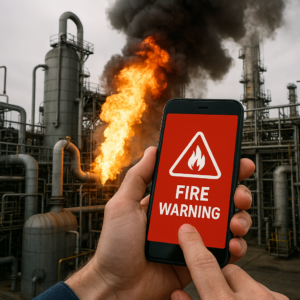
Industrial Fire Safety Checklist
Industrial fire safety checklist helps teams spot hazards, protect workers, maintain fire controls, and act fast before a small issue becomes a major fire.
Industrial fire safety checklist practices matter in every factory, warehouse, plant, workshop, and production site. Industrial areas often contain machinery, electrical systems, chemicals, fuel, packaging, dust, and other materials that can increase fire risk. Therefore, regular checks help teams find problems before they become emergencies.
With eAuditor Audits & Inspections, businesses can turn fire safety inspections into a clear digital process. Teams can use structured checklists, record findings, add photos, assign corrective actions, and keep inspection records in one place. eAuditor also offers fire safety templates that businesses can customize to match their sites and risks.
What Is an Industrial Fire Safety Checklist?
An industrial fire safety checklist is a structured inspection tool that helps workers and safety teams review fire hazards and emergency controls.
A good checklist can cover:
- Fire extinguishers
- Fire alarms
- Smoke and heat detectors
- Sprinkler systems
- Fire doors
- Emergency exits
- Escape routes
- Emergency lighting
- Fire safety signs
- Electrical equipment
- Flammable materials
- Combustible waste
- Hot work
- Fire drills
- Emergency procedures
- Staff training
- Inspection and maintenance records
Every industrial site has different hazards. Therefore, teams should adapt the checklist to the building, processes, materials, equipment, and local requirements.
Why Use an Industrial Fire Safety Checklist?
Fire risks can develop slowly. A damaged electrical cable, blocked exit, poorly stored solvent, or missing extinguisher tag may seem like a small issue. However, these problems can create serious risks when they remain unresolved.
Regular inspections help organizations:
- Find fire hazards early.
- Keep emergency routes clear.
- Check fire protection equipment.
- Improve emergency readiness.
- Monitor housekeeping.
- Track repeated problems.
- Assign corrective actions.
- Improve employee awareness.
- Maintain inspection records.
- Support internal safety programs.
Moreover, a consistent checklist gives every inspector the same basic process. As a result, teams are less likely to miss important checks.
Industrial Fire Safety Checklist: Fire Prevention
Start every inspection by looking for possible sources of ignition and fuel.
Check whether:
- Electrical cables are free from visible damage.
- Electrical panels remain accessible.
- Equipment shows no obvious overheating or damage.
- Heating equipment is properly maintained.
- Combustible materials stay away from ignition sources.
- Flammable liquids remain in suitable storage areas.
- Gas cylinders are stored safely.
- Waste does not build up.
- Dust and debris do not collect around machinery.
- Smoking controls are followed.
- Hot work follows the approved permit process.
- Temporary electrical connections are controlled.
Good housekeeping plays a major role here. For example, excess cardboard near production equipment can add fuel to a fire. Likewise, oily waste can create a serious hazard if workers leave it in unsuitable containers.
The eAuditor Fire Risk Assessment Checklist PAS 79 includes checks for electrical sources of ignition, combustible materials, housekeeping, hazardous materials, contractors, hot work, and other fire hazards.
Fire Risk Assessment Checklist PAS 79 – eAuditor Template
Fire Extinguisher Inspection
Fire extinguishers must remain easy to find, easy to access, and suitable for the fire risks present.
During an industrial fire safety inspection, check:
- Correct extinguisher type.
- Correct location.
- Clear access.
- Visible signage.
- Physical condition.
- Pressure indicator.
- Safety pin.
- Tamper seal.
- Hose or nozzle.
- Operating instructions.
- Service information.
- Inspection status.
- Signs of corrosion or damage.
Never allow stock, tools, machinery, or waste to block an extinguisher.
Your inspection process should also confirm that servicing and maintenance follow the manufacturer's instructions and applicable requirements.
Fire Alarm and Detection Systems
Early warning gives people more time to respond and evacuate.
Inspect:
- Fire alarm control panels.
- Smoke detectors.
- Heat detectors.
- Manual call points.
- Audible alarms.
- Visual alarm devices.
- Alarm indicators.
- Backup power.
- Testing records.
- Visible signs of damage.
- Obstructions around detectors.
Record faults clearly instead of assuming that an alarm works because it worked during the previous inspection.
Specialist testing should follow the approved maintenance procedure for the system.
Sprinkler and Fire Suppression Systems
Industrial facilities may use sprinklers, gas suppression, foam systems, water systems, or other fire protection equipment.
Where applicable, inspect:
- System access.
- Valves.
- Pressure indicators.
- Tanks and cylinders.
- Control equipment.
- Discharge points.
- Sprinkler heads.
- Nozzles.
- Visible damage.
- Obstructions.
- Maintenance tags.
- Inspection records.
The eAuditor fire suppression guidance recommends recording system details, checking components and obstructions, documenting defects, adding photos, assigning corrective actions, and verifying completed actions.
Do not use a routine checklist as a substitute for specialist testing. Qualified personnel should perform technical inspection and maintenance where required.
Flammable and Combustible Materials
Factories often store materials that can increase the speed or intensity of a fire.
Check storage and handling of:
- Flammable liquids.
- Solvents.
- Fuels.
- Gases.
- Aerosols.
- Paints.
- Chemicals.
- Packaging.
- Wood.
- Paper.
- Plastics.
- Oily waste.
- Combustible dust.
Make sure workers store these materials in approved locations. Furthermore, keep ignition sources away from flammable materials and maintain suitable separation.
The Fire Risk Assessment Checklist PAS 79 specifically includes checks for combustible materials, hazardous materials, waste, housekeeping, and suitable storage arrangements.
Hot Work Safety
Welding, cutting, grinding, brazing, and similar activities can create sparks and high temperatures.
Therefore, an industrial fire safety checklist should verify:
- A hot work permit is used where required.
- The work area has been assessed.
- Combustible materials have been removed or protected.
- Suitable fire-fighting equipment is nearby.
- A fire watch is provided where required.
- Gas cylinders are handled safely.
- Workers follow approved hot work procedures.
- The area receives the required post-work check.
The eAuditor Construction Site Risk Assessment Checklist includes checks for hot work restrictions, hot work permits, accessible fire-fighting equipment, and maintenance of that equipment.
Construction Site Risk Assessment Checklist – eAuditor Template
Fire Doors and Fire Compartments
Fire doors help limit the spread of fire and smoke. Consequently, teams should inspect them as part of the fire safety program.
Check whether:
- Doors close fully.
- Hinges remain in good condition.
- Frames are intact.
- Seals remain in good condition.
- Labels remain visible.
- Glass panels are intact.
- Hardware works correctly.
- Self-closing devices operate properly.
- Locking mechanisms work as required.
- Exit paths remain clear.
- Doors show no serious damage.
- Visible gaps remain within acceptable limits.
- Inspection tags are present where required.
The eAuditor 13 Point Fire Door Inspection Checklist covers door condition, hinges, frames, seals, labels, glass panels, self-closing mechanisms, hardware, gaps, exit paths, and other fire door controls.
13 Point Fire Door Inspection Checklist – eAuditor Template
Emergency Exits and Escape Routes
A clear escape route can save lives during a fire.
Inspect:
- Emergency exits.
- Escape routes.
- Stairways.
- Exit doors.
- Exit signs.
- Emergency lighting.
- Assembly points.
- Evacuation maps.
- External escape routes.
Also confirm that workers can identify the correct assembly point.
The eAuditor Fire Risk Assessment Checklist PAS 79 checks the number and accessibility of exits, direction of travel, escape routes, travel distances, protected routes, unobstructed routes, emergency escape lighting, and evacuation arrangements.
Emergency Evacuation Planning
A written emergency plan is useful only when workers understand it.
Your industrial fire safety checklist should verify:
- Emergency procedures are documented.
- Emergency contacts are current.
- Fire wardens are assigned.
- Evacuation routes are marked.
- Assembly points are identified.
- Visitors receive suitable instructions.
- Contractors understand emergency procedures.
- Assistance arrangements exist for people who may need help.
- Emergency communication methods are available.
- Fire drills are recorded.
The Construction Site Risk Assessment Checklist from eAuditor includes emergency contacts, communication, evacuation procedures, and muster-point checks.
Fire Safety Training
Equipment cannot protect people if employees do not know how to respond.
Review whether workers receive:
- Fire safety induction.
- Emergency evacuation training.
- Fire warden training.
- Fire extinguisher awareness.
- Hot work safety training.
- Refresher training.
- Site-specific emergency instructions.
New employees should receive appropriate fire safety information before they begin work in areas with significant fire risks.
Training records should also show who received training and when refresher training is due.
Fire Drills
Fire drills help teams test their emergency plans in practice.
Record:
- Drill date.
- Area covered.
- Number of participants.
- Evacuation time, where appropriate.
- Problems found.
- Communication problems.
- Blocked routes.
- Assembly-point issues.
- Employee concerns.
- Corrective actions.
After the drill, review what went wrong and what worked well.
A drill should do more than prove that people can leave the building. It should help the organization discover weaknesses in its emergency response.
Industrial Housekeeping and Fire Safety
Clean work areas reduce many avoidable fire risks.
During each inspection, look for:
- Accumulated waste.
- Oil or chemical residues.
- Excess packaging.
- Combustible dust.
- Blocked exits.
- Poor material storage.
- Waste near machinery.
- Materials near heat sources.
- Uncontrolled storage in electrical rooms.
The eAuditor Fire Risk Assessment Checklist PAS 79 includes housekeeping checks for combustible materials, waste accumulation, hazardous materials, and storage practices.
Electrical Fire Safety
Electrical equipment can become a major ignition source when teams ignore damage or poor maintenance.
Check:
- Electrical panels.
- Cables.
- Plugs.
- Sockets.
- Extension leads.
- Portable equipment.
- Temporary wiring.
- Overloaded outlets.
- Damaged equipment.
- Inspection and testing records.
Also watch for daisy-chained extension leads and unsuitable multi-plug adapters.
The Fire Risk Assessment Checklist PAS 79 includes checks for fixed wiring inspections, portable appliances, trailing leads, personal electrical equipment, and unsafe extension arrangements.
Industrial Fire Safety Checklist: Quick Inspection List
Use this list as a starting point for your inspection program.
Fire prevention
- Combustible materials are stored safely.
- Flammable materials remain in suitable storage.
- Ignition sources are controlled.
- Electrical equipment is in safe condition.
- Hot work follows approved controls.
- Waste does not accumulate.
- Housekeeping remains satisfactory.
Fire protection
- Fire extinguishers are accessible.
- Extinguishers show no obvious damage.
- Fire alarm systems are maintained.
- Smoke and heat detectors are unobstructed.
- Sprinkler systems remain accessible.
- Fire protection equipment has clear signage.
- Maintenance records are available.
Emergency routes
- Fire exits remain clear.
- Escape routes remain unobstructed.
- Exit doors operate correctly.
- Emergency lighting works as required.
- Exit signs remain visible.
- Assembly points are identified.
- Evacuation plans are current.
Fire doors
- Fire doors close properly.
- Hinges remain in good condition.
- Seals remain intact.
- Doors remain free from obstruction.
- Fire door labels are visible.
- Exit paths remain clear.
Emergency preparedness
- Emergency procedures are available.
- Emergency contacts are current.
- Fire wardens are trained.
- Employees understand evacuation procedures.
- Fire drills are completed as planned.
- Drill findings receive corrective action.
How eAuditor Audits & Inspections Supports Industrial Fire Safety
A paper checklist can help, but digital inspections make follow-up much easier.
With eAuditor Audits & Inspections, teams can build a repeatable workflow around their industrial fire safety checklist. Inspectors can complete checks on site, record observations, attach photos, and document defects.
Managers can then review findings and assign corrective actions to responsible employees. This creates a clearer path from finding a problem to fixing the problem.
eAuditor also supports customizable inspection templates, which means businesses can adapt their process to different areas such as production floors, warehouses, workshops, chemical storage areas, and utility rooms.
Related eAuditor Fire Safety Checklists
Fire Risk Assessment Checklist PAS 79
This detailed template covers fire hazards, electrical ignition sources, housekeeping, hazardous materials, escape routes, emergency lighting, fire alarms, fire extinguishers, training, drills, testing, maintenance, records, and overall risk ratings.
Fire Risk Assessment Checklist PAS 79
13 Point Fire Door Inspection Checklist
This template focuses on fire door condition, seals, hinges, frames, self-closing devices, labels, hardware, gaps, exit paths, and other important door controls.
13 Point Fire Door Inspection Checklist
Construction Site Risk Assessment Checklist
This template includes fire hazards, hot work permits, fire-fighting equipment, emergency contacts, evacuation procedures, and muster-point checks. It can support industrial and project-based environments where these risks apply.
Construction Site Risk Assessment Checklist
General Fire Safety Checklist – Industry Vetted
This eAuditor guide covers fire prevention, extinguishers, alarms, detection, sprinklers, emergency routes, fire doors, training, drills, inspection records, and corrective actions.
General Fire Safety Checklist – Industry Vetted
Best Practices for Industrial Fire Safety Inspections
Keep the checklist practical.
Remove questions that do not apply to your site. A shorter, relevant checklist is often easier to complete correctly.
Use clear inspection criteria.
Write questions so inspectors know what they need to check. Avoid vague questions that leave too much room for interpretation.
Add evidence when useful.
Photos can show blocked exits, damaged extinguishers, unsafe storage, or other physical conditions more clearly than notes alone.
Assign corrective actions.
Do not stop after identifying a problem. Give the action to a responsible person and set a suitable due date.
Review repeat findings.
If the same exit becomes blocked every month, look for the root cause instead of repeatedly clearing the same problem.
Schedule regular inspections.
Use a planned schedule based on the site's hazards, equipment, risk assessment, maintenance program, and applicable requirements.
Keep records organized.
Inspection records should show what teams checked, what they found, what they fixed, and what still needs attention.
Why Digital Fire Safety Inspections Make Sense
Industrial fire safety depends on consistency.
When teams rely on paper forms, information can become scattered across files, folders, and spreadsheets. Digital inspections can bring findings, photos, comments, corrective actions, and inspection records into one workflow.
With eAuditor Audits & Inspections, organizations can customize checklists, complete inspections digitally, document findings, assign actions, and generate inspection records.
As a result, safety managers spend less time chasing paperwork and more time improving fire prevention.
Frequently Asked Questions
What is an industrial fire safety checklist?
An industrial fire safety checklist is a structured tool used to inspect fire hazards, fire protection systems, emergency routes, fire doors, evacuation procedures, training, and related controls.
What should an industrial fire safety checklist include?
It should normally include fire prevention, electrical safety, combustible and flammable materials, extinguishers, alarms, detection systems, suppression systems, fire doors, emergency exits, emergency lighting, evacuation plans, training, drills, housekeeping, and corrective actions.
How often should an industrial fire safety checklist be completed?
The correct frequency depends on the site's hazards, fire risk assessment, equipment, maintenance program, and applicable requirements. Different checks may need different schedules.
Can eAuditor be used for industrial fire safety inspections?
Yes. eAuditor Audits & Inspections supports customizable digital inspection workflows. Teams can complete checklists, record findings, add photos, assign corrective actions, and maintain inspection records. (eauditor.app)
Can I customize an eAuditor fire safety checklist?
Yes. eAuditor provides customizable templates that can be adapted to the needs of different workplaces and inspection programs.
What should inspectors check on fire extinguishers?
Inspectors should check the extinguisher's location, accessibility, condition, pressure indicator, pin, tamper seal, nozzle, signage, service information, and inspection status, while following the applicable inspection and maintenance requirements.
Why are fire doors important in industrial buildings?
Fire doors can help limit fire and smoke spread and support safer evacuation. Regular checks should confirm that doors, frames, seals, hinges, hardware, and closing mechanisms remain in suitable condition. (eAuditor)
What should an industrial fire drill measure?
A drill can review evacuation time where appropriate, communication, route access, employee response, assembly-point management, emergency roles, and problems that need corrective action.
Does a checklist replace a fire risk assessment?
No. A checklist supports inspections and routine monitoring, but it should not replace a competent fire risk assessment, specialist inspection, engineering review, or legal requirement where those are required.
How can businesses improve their industrial fire safety program?
Start with a site-specific risk assessment. Then use regular inspections, maintain fire protection systems, train employees, conduct drills, control hot work and hazardous materials, review repeat findings, and close corrective actions promptly.
Final Thoughts
An industrial fire safety checklist gives teams a practical way to identify hazards before they become serious. https://eauditor.app/2026/08/27/industrial-fire-safety-checklist/


Comments
Post a Comment