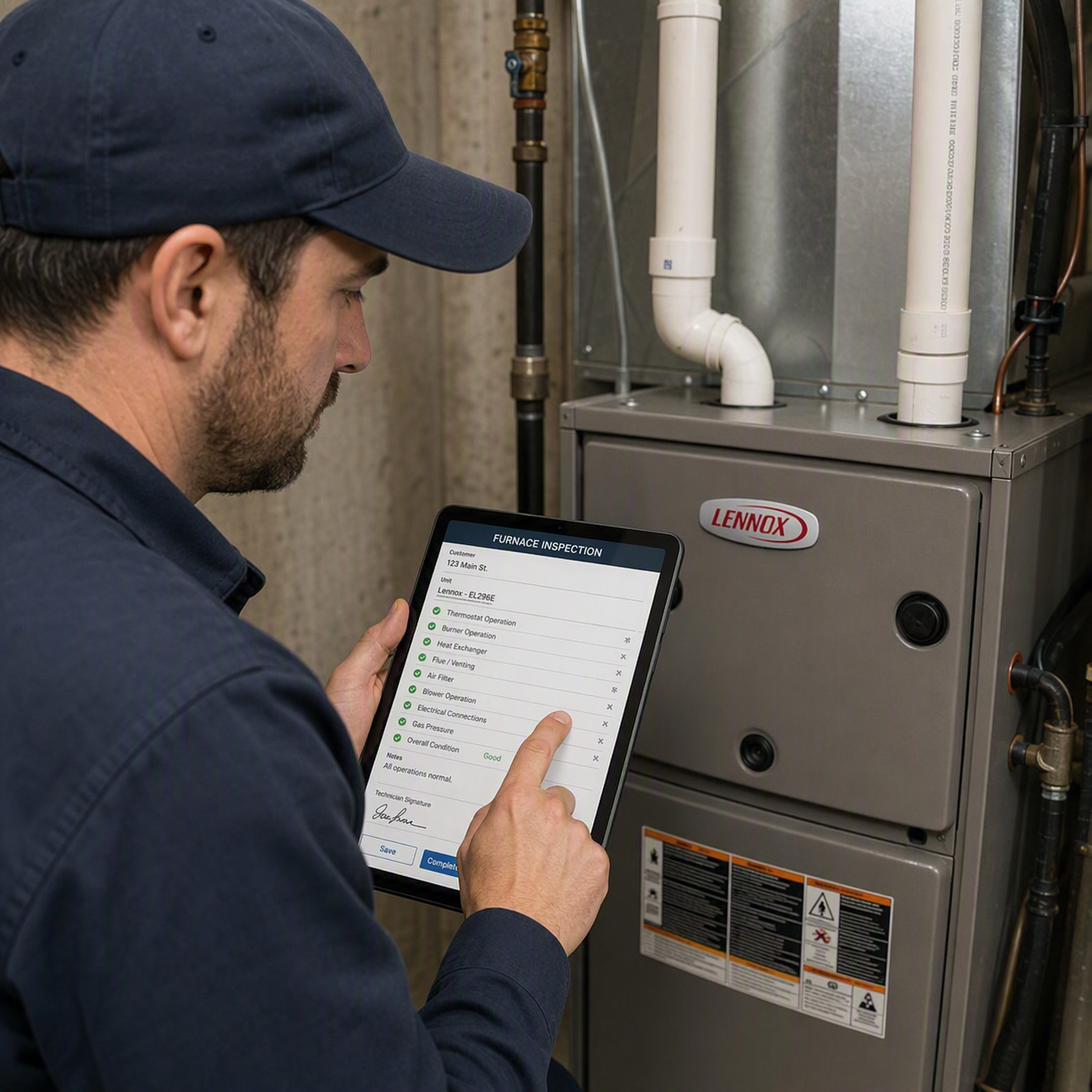
Furnace Inspection Checklist
Furnace inspection checklist helps teams spot heating-system problems early, document findings clearly, and keep maintenance work safe, consistent, and easy to track.
A furnace inspection should do more than confirm that the unit turns on. It should help inspectors check the equipment, identify hazards, record defects, and make sure someone follows up on every issue. With eAuditor Audits & Inspections, teams can replace paper forms with digital checklists, capture evidence, assign corrective actions, and create reports from the field.
A well-built furnace inspection checklist also gives maintenance teams a repeatable process. Instead of relying on memory, inspectors can follow the same steps every time. As a result, teams can reduce missed checks and build a clearer maintenance history.
What Is a Furnace Inspection Checklist?
A furnace inspection checklist is a structured list of checks used to review a furnace and its related components. It can cover the furnace cabinet, controls, burners, ventilation, ductwork, filters, fuel connections, condensate systems, electrical components, and surrounding area.
The exact checks should match the furnace type, manufacturer's instructions, site procedures, and applicable local requirements. Qualified personnel should perform technical testing, servicing, and any work involving gas, combustion, electrical systems, or other hazards.
Most importantly, the checklist should help the inspector answer three simple questions:
- Is the furnace in good condition?
- Is it operating as intended?
- Does it need repair, maintenance, or further investigation?
Why Use a Furnace Inspection Checklist?
A consistent furnace inspection checklist makes routine inspections easier to manage. It also helps different inspectors follow the same process across buildings, sites, or equipment.
For example, a digital checklist can help teams:
- Record inspection dates and inspector details.
- Identify the furnace by asset number or location.
- Check equipment condition.
- Record Pass, Fail, or N/A results.
- Add notes to failed items.
- Capture photos as supporting evidence.
- Assign corrective actions.
- Track outstanding issues.
- Create inspection reports.
- Keep inspection records in one place.
eAuditor supports digital inspections through web and mobile apps. Teams can start inspections from templates, complete required questions, create actions from findings, and export or email reports after completion.
Furnace Inspection Checklist: What Should You Check?
A useful furnace inspection checklist should follow a logical flow. Start with basic equipment information, then move through the physical condition, operating components, safety checks, and follow-up actions.
1. Equipment Identification
First, confirm that the inspector is checking the correct furnace.
Record:
- Furnace ID or asset number
- Location
- Manufacturer
- Model
- Serial number
- Furnace type
- Inspection date
- Inspector name
- Operating hours, where applicable
- Previous inspection date
- Maintenance status
This information makes the inspection easier to trace later.
2. General Furnace Condition
Next, inspect the furnace and the surrounding area.
Check whether:
- The furnace is clean and accessible.
- The cabinet shows no obvious damage.
- There are no visible signs of corrosion.
- Access panels are secure.
- The area around the furnace remains clear.
- No combustible materials are stored too close to the equipment.
- Labels and warning signs remain readable.
- The equipment shows no obvious signs of leakage or abnormal condition.
Record photos when you find damage or another condition that needs attention.
3. Working Clearance and Access
Inspect the space around the furnace before working on the equipment.
Check:
- Access to the control side.
- Required working clearance.
- Access panels.
- Service access.
- Clearance from combustible materials.
- Equipment support and mounting.
- Access to shut-off or isolation points.
The eAuditor Residential Mechanical Systems Inspection Checklist includes furnace checks for working space, clearance from combustible construction, equipment support, condensate drainage, venting, and duct sealing.
Residential Mechanical Systems Inspection Checklist
4. Filters and Airflow
A restricted filter can affect furnace performance and airflow. Therefore, include filter and air-path checks in the inspection.
Check:
- Filter condition.
- Correct filter type and size.
- Proper filter installation.
- Signs of excessive dirt or contamination.
- Filter bypass.
- Return-air openings.
- Supply-air openings.
- Visible duct damage.
- Loose or leaking duct connections.
The eAuditor HVAC Inspection Checklist includes checks for filters, pressure drop, contaminants, supply equipment, return-air paths, and supply ductwork.
HVAC Inspection Checklist
5. Burners and Combustion Area
For fuel-burning furnaces, qualified personnel should inspect combustion-related components according to the manufacturer's requirements and applicable regulations.
The checklist can include:
- Burner condition.
- Visible contamination.
- Ignition system condition.
- Flame appearance, where appropriate.
- Combustion chamber condition.
- Signs of overheating.
- Unusual noise or vibration.
- Evidence of incomplete combustion.
- Required combustion-air provisions.
Do not turn a general inspection checklist into a substitute for qualified technical testing. Instead, use it to document whether the required inspection or test was completed and whether the results met the applicable requirements.
6. Venting and Exhaust
Venting deserves careful attention because poor venting can create serious safety risks.
Check, where applicable:
- Vent connections.
- Visible damage.
- Loose joints.
- Corrosion.
- Obstructions.
- Proper support.
- Clear termination.
- Signs of leakage.
- Compliance with manufacturer requirements.
For condensing equipment, also check the condensate and vent arrangement according to the manufacturer's installation instructions.
The eAuditor residential mechanical template specifically includes a furnace section covering venting for condensing appliances and condensate drainage.
7. Electrical Components and Controls
Next, review the electrical and control systems within the scope of the inspection.
Check:
- Control panels.
- Wiring condition.
- Connections.
- Thermostat operation.
- Safety controls.
- Electrical components.
- Visible signs of overheating.
- Control response.
- Error codes or alarms.
Only qualified personnel should perform electrical testing or repairs that require specialist knowledge.
8. Condensate System
High-efficiency furnaces may produce condensate that requires proper drainage.
Check:
- Condensate drain condition.
- Drain routing.
- Blockages.
- Leaks.
- Pump operation, where installed.
- Secondary drainage provisions, where required.
- Signs of water damage.
- Proper installation according to manufacturer instructions.
The eAuditor Mechanical Rough-In Inspection Checklist includes high-efficiency furnace checks for condensate drains, drainpipe installation, and disposal arrangements.
Mechanical Rough-In Inspection Checklist
9. Ductwork and Air Distribution
A furnace can operate, yet still perform poorly if the connected duct system has problems.
Inspect:
- Supply ducts.
- Return ducts.
- Connections.
- Seams and joints.
- Insulation.
- Visible damage.
- Leaks.
- Obstructions.
- Access doors.
- Fire dampers, where applicable.
- Airflow issues.
The eAuditor HVAC template covers supply ductwork, return-air paths, grilles, dampers, and air-distribution problems.
10. Safety Devices and Surrounding Area
Finally, check the wider area around the furnace.
Look for:
- Smoke or fire safety equipment, where applicable.
- Carbon monoxide protection where required.
- Clear emergency access.
- Safe storage practices.
- Signs of water damage.
- Gas or fuel-related concerns.
- Unusual odors.
- Trip hazards.
- Blocked ventilation openings.
If an inspector finds a serious hazard, follow the site's emergency procedure rather than simply marking the checklist item as failed.
A Simple Furnace Inspection Checklist
Teams can adapt the following structure to their equipment and site requirements:
Inspection item
Result
Furnace identification verified
Pass / Fail / N/A
General condition acceptable
Pass / Fail / N/A
Working clearance acceptable
Pass / Fail / N/A
Combustible materials kept clear
Pass / Fail / N/A
Cabinet and access panels in good condition
Pass / Fail / N/A
Filter condition acceptable
Pass / Fail / N/A
Airflow path unobstructed
Pass / Fail / N/A
Ductwork condition acceptable
Pass / Fail / N/A
Burners inspected by qualified personnel
Pass / Fail / N/A
Venting condition acceptable
Pass / Fail / N/A
Condensate system acceptable
Pass / Fail / N/A
Controls operate as required
Pass / Fail / N/A
Electrical components appear acceptable
Pass / Fail / N/A
No visible leaks or damage
Pass / Fail / N/A
Safety concerns identified and addressed
Pass / Fail / N/A
Corrective actions assigned
Yes / No / N/A
Inspector comments recorded
Yes / No
Photos attached where needed
Yes / No / N/A
Related eAuditor Checklists for Furnace Inspections
You do not always need to create a furnace checklist from scratch. The eAuditor template library includes several related templates that can support furnace, HVAC, mechanical, and building inspections.
HVAC Inspection Checklist: This is one of the closest matches for a broader furnace inspection program. It covers mechanical rooms, controls, filters, heating coils, ductwork, condensate pans, return air, supply air, and preventive maintenance.
View the HVAC Inspection Checklist
Residential Mechanical Systems Inspection Checklist: This template has a dedicated furnace section. It covers working space, clearances, equipment support, condensate drainage, venting, and duct sealing.
View the Residential Mechanical Systems Inspection Checklist
Mechanical Rough-In Inspection Checklist: This template can help teams inspect mechanical installation details, including high-efficiency furnace condensate systems and duct-related requirements.
View the Mechanical Rough-In Inspection Checklist
Pre-Start Checklist: This broader template can support equipment identification and visual pre-start checks. It includes asset verification, equipment details, damage, wear, corrosion, leaks, and other basic condition checks.
View the Pre-Start Checklist
Boiler Commissioning Checklist: Although designed for boilers rather than furnaces, this template provides useful ideas for documenting heating equipment identification, controls, commissioning information, and compliance checks.
View the Boiler Commissioning Checklist
How eAuditor Improves Furnace Inspections
Paper checklists can work for a while. However, they make it harder to track repeated defects, overdue actions, and inspection history across several locations.
With eAuditor, teams can turn their furnace inspection checklist into a digital inspection form. Inspectors can complete checks from a mobile device, record findings, attach evidence, and create corrective actions during the inspection.
The platform also supports recurring schedules. Therefore, managers can build regular inspection routines instead of relying on memory or spreadsheets.
Once the inspection is complete, teams can generate professional reports and share them with the right people. Reports can also remain stored in the account for future reference.
Explore eAuditor Audits & Inspections
How to Create a Digital Furnace Inspection Checklist
Creating a digital furnace inspection checklist does not need to be complicated.
Start by listing the equipment and the main inspection areas. Then turn each requirement into a clear question that an inspector can answer quickly.
For example:
- Is the furnace accessible for inspection?
- Is the surrounding area clear?
- Is the filter in acceptable condition?
- Is the venting system free from visible damage?
- Is the condensate drain clear?
- Are controls operating as required?
- Are there visible leaks or signs of damage?
- Does the equipment require corrective action?
Next, add fields for comments, measurements, photos, and corrective actions where they add value.
Finally, test the checklist with an actual inspector. Remove questions that add little value and clarify questions that cause confusion. A short, practical checklist usually works better than a long form that inspectors rush through.
Benefits of Moving Furnace Inspections to Digital Forms
A digital furnace inspection checklist can improve the entire inspection workflow.
Faster inspections: Inspectors can use mobile devices instead of carrying paper forms.
Better evidence: Photos and comments can stay with the relevant inspection finding.
Clearer accountability: Teams can assign corrective actions to specific people.
Better reporting: Managers can generate reports without manually entering inspection results.
Improved history: Digital records make it easier to review previous findings.
More consistent inspections: Standard questions help different inspectors follow the same process.
Easier multi-site management: Facility teams can use common templates across multiple locations.
eAuditor positions its platform for facilities management and specifically supports building inspections, HVAC monitoring, maintenance activities, and compliance work.
Best Practices for Furnace Inspections
A few simple practices can make a furnace inspection checklist more useful.
First, keep questions short and clear. Inspectors should understand each question without needing a separate explanation.
Next, use Pass, Fail, and N/A options where appropriate. This keeps results consistent.
Also, make critical questions mandatory. That way, inspectors cannot accidentally skip important checks.
Then, require photos for selected failed items. Visual evidence can make repair planning much easier.
After that, assign corrective actions directly from failed findings. Give each action an owner and due date.
Finally, review inspection trends. Repeated failures may point to a maintenance problem rather than an isolated defect.
Why Furnace Inspection Records Matter
A completed inspection is more valuable when the record remains easy to find.
Good records can show:
- What equipment was inspected.
- Who performed the inspection.
- When the inspection happened.
- What the inspector found.
- Which photos support the findings.
- Which issues required action.
- Who received each corrective action.
- Whether the issue was resolved.
This history can help maintenance teams make better decisions and spot recurring problems earlier.
Make Furnace Inspections Easier With eAuditor
A strong furnace inspection checklist gives maintenance teams a simple way to inspect equipment, document problems, and follow up on repairs. Yet the real value comes from turning those checks into a repeatable workflow.
With eAuditor Audits & Inspections, teams can digitize checklists, conduct inspections, capture evidence, create actions, schedule recurring inspections, and generate reports from one platform.
Instead of letting completed forms sit in a filing cabinet, teams can turn inspection data into useful operational information. That makes it easier to spot issues, improve maintenance planning, and keep inspections moving.
Get Started with eAuditor Audits & Inspections
Frequently Asked Questions
What is a furnace inspection checklist?
A furnace inspection checklist is a structured list of questions used to review furnace condition, operation, safety, and maintenance requirements. It helps inspectors follow a consistent process and document findings.
What should a furnace inspection checklist include?
A typical checklist can include equipment identification, general condition, working clearance, filters, airflow, burners, venting, controls, electrical components, condensate drainage, ductwork, safety conditions, and corrective actions.
How often should a furnace be inspected?
The inspection frequency depends on the equipment, manufacturer instructions, site risk, operating conditions, applicable requirements, and maintenance program. Organizations should establish a schedule that fits their equipment and compliance needs.
Can I create a furnace inspection checklist in eAuditor?
Yes. eAuditor allows teams to create and digitize inspection templates. Its template library also contains HVAC, residential mechanical, mechanical rough-in, and other related inspection templates that can be adapted to specific needs.
Does eAuditor have an HVAC inspection checklist?
Yes. The eAuditor library includes an HVAC Inspection Checklist with checks covering mechanical rooms, controls, filters, heating equipment, condensate systems, ductwork, and preventive maintenance.
Open the eAuditor HVAC Inspection Checklist
Can inspectors add photos to furnace inspection records?
Yes. eAuditor supports capturing inspection details and evidence, while its inspection workflow allows findings and actions to be reviewed before the inspection is completed.
Can a failed furnace inspection item create a corrective action?
Yes. eAuditor's inspection workflow supports creating actions from flagged responses and assigning actions in bulk or individually.
Can furnace inspection reports be shared?
Yes. eAuditor can generate professional inspection reports, and users can download or email completed reports.
Is a digital furnace inspection checklist better than a paper checklist?
For many teams, it can be. Digital inspections reduce manual data entry, make findings easier to track, keep evidence with inspection records, and make corrective-action follow-up more visible. The best approach depends on the site's workflow and requirements. https://eauditor.app/2026/09/10/furnace-inspection-checklist/


Comments
Post a Comment