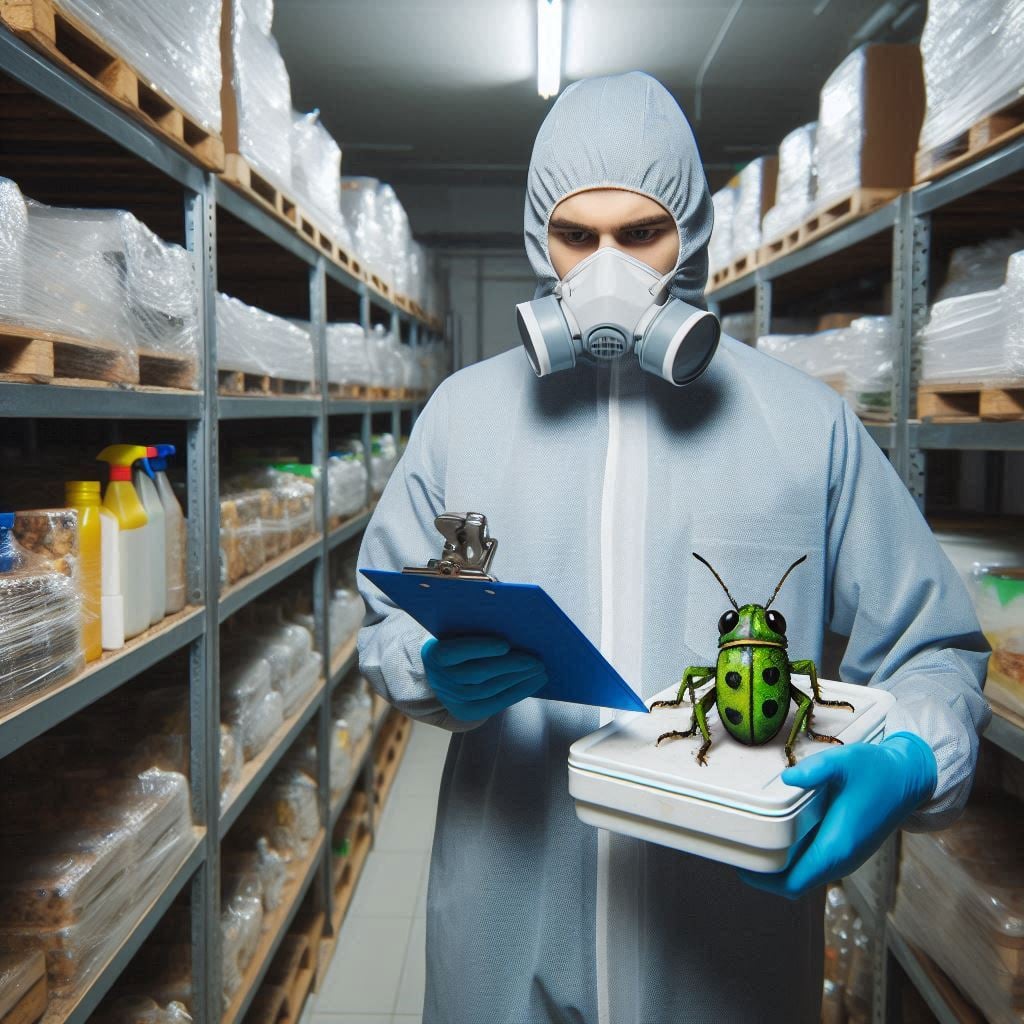
Pest Control Inspection Checklist
A pest control inspection checklist helps teams spot pest signs, close entry points, improve hygiene, and track corrective actions before issues grow.
Pests rarely appear without warning. Droppings, gnaw marks, insect remains, food debris, standing water, damaged screens, and gaps can all signal a growing risk. A clear Pest Control Inspection Checklist helps teams inspect these areas in a consistent way. With eAuditor Audits & Inspections, businesses can turn routine pest checks into a digital process with checklists, photos, notes, corrective actions, and reports.
A good checklist does more than confirm that no pests were seen. It checks the conditions that may attract pests or let them enter. That makes regular inspection a useful part of prevention, hygiene, facility care, and food safety.
What Is a Pest Control Inspection Checklist?
A Pest Control Inspection Checklist is a structured form used to check a building or site for pest activity and conditions that may support pests.
It can cover:
- Rodent droppings
- Gnaw marks
- Insect activity
- Nesting material
- Insect remains
- Food debris
- Waste areas
- Standing water
- Leaking pipes
- Cracks and gaps
- Doors and windows
- Screens and vents
- Food storage
- Pest traps
- Monitoring devices
- Previous pest findings
The verified eAuditor Pest Control Inspection Checklist includes checks for rodent activity, insect activity, food storage, openings, trash containers, standing water, pipes, vegetation, traps, and other prevention measures.
Why Is a Pest Control Inspection Checklist Important?
Pest control should not begin only after an infestation becomes obvious. Regular inspections can help teams find early warning signs and address conditions that may attract pests.
A checklist also creates a consistent inspection routine.
Early detection: Small signs can point to a larger problem. Regular checks help teams respond sooner.
Better hygiene: Food waste, spills, rubbish, moisture, and poor storage can create pest-friendly conditions. A checklist keeps these areas visible.
Clear accountability: Digital records show what the inspector found, what action is needed, and who should complete it.
Better follow-up: Teams can compare inspections and identify repeated issues.
Stronger food safety: Food facilities need close control of pest activity, entry points, food storage, waste, and sanitation. The eAuditor Food Safety Kitchen Inspection Checklist includes a dedicated pest control section covering pest evidence, protected openings, pest monitors, sighting logs, and conducive conditions.
What Should a Pest Control Inspection Checklist Include?
A useful checklist should cover both pest evidence and the conditions that allow pests to enter, feed, hide, or reproduce.
General Inspection Details
Start with basic information so every inspection has a clear record.
Include:
- Site or facility name
- Inspection date
- Inspection time
- Inspector name
- Inspection area
- Property type
- Pest control provider, if applicable
- Previous inspection reference
- General comments
These details make reports easier to review and compare.
Exterior Areas
The outside of a building can create the first line of defence against pests.
Inspect:
- Building walls
- Foundations
- Doors
- Windows
- Screens
- Vents
- Drains
- Utility openings
- Garbage areas
- Landscaping
- Mulch
- Outdoor storage
- Standing water
- Nests
- Burrows
Look closely for cracks, holes, open doors, poor drainage, rubbish, and damaged screens.
The eAuditor Pest Control Inspection Checklist specifically checks doors, windows, openings, waste containers, standing water, vegetation, and other possible entry points.
Interior Areas
Next, inspect the inside of the building.
Check:
- Floors
- Walls
- Ceilings
- Cabinets
- Storage rooms
- Kitchens
- Food preparation areas
- Bathrooms
- Utility rooms
- Basements
- Attics
- Waste areas
Look for droppings, stains, nesting material, insect remains, unusual smells, damaged materials, and other signs of activity.
Rodent Activity
Rodents can leave several signs even when they are not visible.
Check for:
- Droppings
- Animal hair
- Gnaw marks
- Nesting material
- Scratching or squeaking sounds
- Movement
- Damaged food containers
- Damaged cables
- Holes
- Burrows
- Entry points
The eAuditor Pest Control Inspection Checklist includes specific questions on rodent droppings, animal hair, movement, nesting debris, and gnawing marks.
Insect Activity
Insects can hide in small and dark areas.
Inspect for:
- Live insects
- Dead insects
- Insect droppings
- Shed skins
- Wings
- Egg cases
- Sticky trap activity
- Damage
- Musty smells
- Activity behind equipment
A detailed inspection should record the type and location of any evidence found.
Food Storage and Preparation Areas
Food areas need extra attention because spills and poor storage can attract pests.
Check that:
- Food containers are closed.
- Food stays off the floor.
- Spills are cleaned promptly.
- Food waste does not build up.
- Shelves remain clean.
- Storage areas stay dry.
- Doors and windows close properly.
- Drains remain clean.
- Pest monitoring devices remain in place.
The eAuditor Monthly Pest Control Checklist checks spilled food, dust, food containers, food storage, building structure, and evidence of pests.
Waste Management
Waste can quickly create food and shelter for pests.
Inspect:
- Indoor bins
- Outdoor bins
- Dumpster areas
- Bin lids
- Waste storage zones
- Food waste
- Spillages
- Cleaning routines
- Waste collection practices
Make sure waste containers stay clean, covered, and secure.
Water and Moisture
Moisture can support pest activity.
Check:
- Pipes
- Drains
- Sinks
- Bathrooms
- Condensation
- Standing water
- Damp storage areas
- Roof leaks
- Poor drainage
- Outdoor water sources
The eAuditor Pest Control Inspection Checklist includes checks for leaking pipes and standing water as part of preventative pest control.
Pest Monitoring Devices
Where monitoring devices are used, inspect them as part of the routine.
Record:
- Device location
- Device condition
- Evidence of pest activity
- Trap or monitor status
- Required action
- Follow-up date
Food safety inspection guidance in the eAuditor library also includes checks that pest monitors are correctly placed, dated, and removed when needed.
How to Conduct a Pest Control Inspection
A simple process helps inspectors cover the same areas each time.
Step 1: Review Previous Findings
Before starting, check the previous inspection.
Look for:
- Open corrective actions
- Recurring pest findings
- Treatment history
- Previous photos
- Known pest hotspots
- Monitoring records
This gives the inspector useful context before entering the site.
Step 2: Inspect the Exterior
Walk around the building perimeter.
Check doors, windows, walls, drains, waste areas, landscaping, storage, and other possible entry points.
Record problems as you find them instead of relying on memory.
Step 3: Inspect the Interior
Follow a set route through the building.
A typical order may include:
- Entrances
- Common areas
- Food storage
- Food preparation areas
- Bathrooms
- Storage rooms
- Utility areas
- Waste areas
- Other high-risk locations
A consistent route helps reduce missed areas.
Step 4: Record Evidence
When you find a problem, document it clearly.
Add:
- Notes
- Photos
- Location
- Pest type
- Severity or priority
- Recommended action
A photo can make a report much easier to understand.
Step 5: Assign Corrective Actions
Do not stop after identifying a problem.
Depending on the finding, the action may include:
- Sealing a wall gap
- Repairing a door seal
- Removing rubbish
- Cleaning a food storage area
- Fixing a leaking pipe
- Removing standing water
- Replacing a damaged screen
- Arranging professional pest treatment
Assign each action to the right person and add a due date when needed.
Step 6: Review and Close the Inspection
Before completing the report, confirm that:
- All required areas were inspected.
- Findings contain enough detail.
- Photos were added where useful.
- Corrective actions have owners.
- Due dates are clear.
- Follow-up needs are recorded.
eAuditor supports starting, editing, and completing inspections through its web and mobile apps.
How eAuditor Audits & Inspections Supports Pest Control Inspections
eAuditor Audits & Inspections helps teams move the Pest Control Inspection Checklist from paper to a digital workflow.
Inspectors can use customizable templates and record findings during the inspection. The platform also supports photos, notes, corrective actions, task assignment, reporting, and follow-up activities.
Digital Pest Control Checklists
Teams can use an existing template and adapt it to their site.
A restaurant may need more checks for food storage, kitchens, drains, waste, and pest monitors. A warehouse may need more attention on loading areas, storage zones, doors, building gaps, and outdoor waste areas.
This flexibility helps teams create a Pest Control Inspection Checklist that matches the real conditions of the site.
Photo Evidence
Photos provide useful visual proof.
Inspectors can document:
- Pest evidence
- Droppings
- Entry points
- Damaged screens
- Poor waste storage
- Water leaks
- Structural gaps
- Corrective action progress
This gives managers more context than a simple Yes or No response.
Corrective Action Tracking
Finding a pest risk is only the first step.
Teams also need to fix the cause.
eAuditor helps connect inspection findings with corrective actions so teams can assign tasks and follow their progress.
Inspection Reports
A digital inspection can bring findings into one report.
A report may include:
- Inspection results
- Photos
- Notes
- Corrective actions
- Follow-up details
- Other inspection information
This makes the record easier to review and share.
Recurring Inspections
Pest prevention works better when teams inspect on a regular schedule.
The eAuditor Monthly Pest Control Checklist provides a recurring inspection format that covers exterior areas, building structure, pest evidence, and interior conditions. (eAuditor)
Related eAuditor Pest Control Checklists
The eAuditor Template Library contains several useful resources for pest control inspections. The following current library pages were verified during research.
Pest Control Inspection Checklist
The Pest Control Inspection Checklist covers rodent activity, insect activity, preventative pest control, food storage, entry points, trash containers, traps, standing water, pipes, and other common pest risks.
View the Pest Control Inspection Checklist
Monthly Pest Control Checklist
The Monthly Pest Control Checklist supports recurring inspections. It checks exterior areas, garbage containers, building openings, pest evidence, food storage, and interior conditions.
View the Monthly Pest Control Checklist
Food Safety Kitchen Inspection Checklist
The Food Safety Kitchen Inspection Checklist includes a dedicated pest control section. It checks pest evidence, protected openings, pest monitors, sighting logs, and conditions such as leaks, food debris, gaps, and cracks.
View the Food Safety Kitchen Inspection Checklist
Pest Control Checklist for Food Facilities
Food businesses can combine pest checks with wider hygiene inspections. The eAuditor food safety template checks food storage, plumbing, waste, structural conditions, and pest control in one inspection workflow.
Sample Pest Control Inspection Checklist
A basic Pest Control Inspection Checklist can include these sections.
General Information
- Site name
- Inspection date
- Inspector name
- Inspection area
- Previous inspection reviewed
- General observations
Exterior Inspection
- Are doors properly sealed?
- Are windows and screens in good condition?
- Are outside openings protected?
- Are waste containers covered?
- Is standing water absent?
- Are there signs of nests or burrows?
- Is vegetation controlled around the building?
- Are cracks and holes sealed?
Interior Inspection
- Are floors and walls free from pest evidence?
- Are food storage areas clean?
- Are food containers closed?
- Is food stored off the floor?
- Are spills cleaned quickly?
- Are drains clean?
- Are pipes free from leaks?
- Are utility openings sealed?
Pest Activity
- Are rodent droppings present?
- Are gnaw marks visible?
- Are insects present?
- Are insect remains visible?
- Are traps showing activity?
- Are nesting materials present?
- Are damaged materials visible?
Prevention
- Are entry points sealed?
- Are waste containers secure?
- Are food areas clean?
- Is standing water controlled?
- Are pest monitors checked?
- Are previous corrective actions complete?
Corrective Actions
- Issue identified
- Location
- Priority
- Required action
- Responsible person
- Due date
- Completion status
- Verification notes
- Photo evidence
Common Pest Control Inspection Mistakes
A checklist works best when inspectors use it carefully.
Only Looking for Live Pests
A pest may not be visible during an inspection.
Droppings, gnaw marks, nesting material, insect remains, and trap activity can still provide useful evidence.
Ignoring Entry Points
Treating pests without fixing access points can allow the problem to return.
Inspect doors, windows, walls, vents, pipes, drains, and utility openings.
Checking Only Indoor Areas
Outdoor conditions can attract pests before they enter a building.
Inspect waste areas, vegetation, drainage, standing water, storage, and the building perimeter.
Failing to Track Corrective Actions
A finding without an owner can remain open.
Assign responsibility and set a clear due date when action is required.
Using an Outdated Checklist
Buildings and processes change.
New equipment, storage areas, construction work, waste systems, or operating practices can create new risks. Review the Pest Control Inspection Checklist when site conditions change.
Best Practices for Pest Control Inspections
Inspect on a Regular Schedule
Set an inspection frequency that matches the site and its risks.
High-risk areas may need more frequent checks than low-risk areas.
Use Risk-Based Inspection Areas
Give extra attention to kitchens, food storage, drains, waste areas, loading zones, storage rooms, and known pest hotspots.
Capture Clear Evidence
Use photos when you find pest evidence, structural damage, poor sanitation, water problems, or entry points.
Look for Repeated Problems
One inspection shows what is happening today.
Several inspections can show a pattern.
For example, repeated findings near one door may suggest that the door seal needs repair.
Close Corrective Actions
An inspection is not complete just because the form is submitted.
Teams should confirm that corrective actions were completed and verify that the original issue has been addressed.
Frequently Asked Questions About Pest Control Inspection Checklists
1. What is a Pest Control Inspection Checklist?
A Pest Control Inspection Checklist is a structured tool used to check for pest activity, entry points, food sources, waste, moisture, sanitation issues, and other conditions that may attract pests.
2. What should a Pest Control Inspection Checklist include?
It should cover pest evidence, rodent activity, insect activity, entry points, food storage, waste, water and moisture, monitoring devices, prevention measures, and corrective actions.
3. How often should pest control inspections be done?
The frequency depends on the site, its pest risk, and its operating conditions. High-risk facilities may need more frequent inspections, while other sites may use a monthly or scheduled routine.
4. Why should pest inspections include exterior areas?
Exterior areas can contain waste, standing water, vegetation, cracks, burrows, and other conditions that may attract pests or provide access to the building.
5. Should a Pest Control Inspection Checklist include photos?
Yes. Photos can provide useful evidence of pest activity, structural gaps, poor sanitation, damaged screens, water issues, and completed corrective actions.
6. What signs of rodent activity should inspectors check?
Inspectors should look for droppings, gnaw marks, nesting material, animal hair, movement, damaged packaging, damaged cables, holes, and burrows.
7. Why should food storage be part of pest control inspections?
Food debris and poor storage can attract pests. Checking food containers, storage areas, spills, shelves, and waste helps teams address these conditions early.
8. Can eAuditor be used for Pest Control Inspection Checklists?
Yes. eAuditor Audits & Inspections supports digital inspection workflows with customizable templates, photos, notes, corrective actions, reporting, and follow-up activities.
9. Can I customize a Pest Control Inspection Checklist?
Yes. A checklist can be adapted to the site's layout, pest risks, inspection areas, processes, and inspection frequency.
10. What should happen after a pest risk is found?
The finding should be recorded clearly. The team should then assign the required corrective action, set a due date where appropriate, complete the action, and verify the result.
11. Can a Pest Control Inspection Checklist help prevent repeat problems?
Yes. Consistent inspection records can reveal recurring findings. Teams can then investigate the causes and address problems such as leaks, gaps, waste, poor storage, or damaged seals.
12. Why use a digital Pest Control Inspection Checklist?
A digital checklist can make data capture, photo documentation, corrective action tracking, reporting, and follow-up easier than a paper form. eAuditor supports these inspection activities in one workflow.
Final Thoughts
A Pest Control Inspection Checklist gives teams a clear way to find pest signs and the conditions that may support them. Regular checks can help businesses address small issues before they become larger problems.
The strongest process does not end when the inspection is submitted. Teams should record evidence, assign corrective actions, track completion, and review repeated findings.
With eAuditor Audits & Inspections, businesses can bring these steps together in a digital inspection workflow. The verified eAuditor Template Library also provides pest control resources that teams can use as a starting point and adapt to their own needs.
A well-built Pest Control Inspection Checklist makes inspections more consistent, records easier to review, and follow-up actions easier to manage. https://eauditor.app/2026/09/28/pest-control-inspection-checklist-3/


Comments
Post a Comment