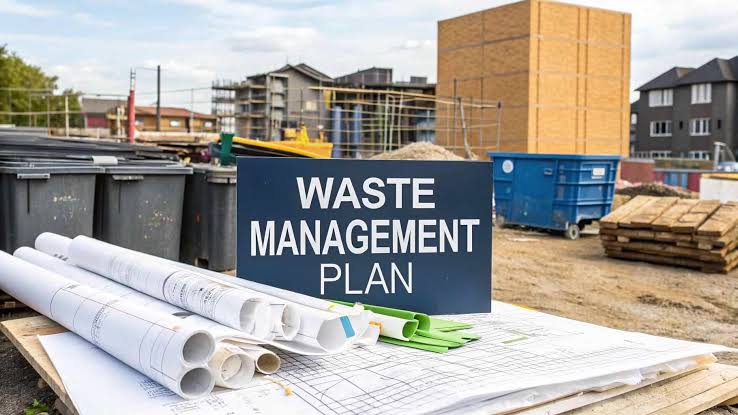
Site Waste Management Plan Template: Complete Guide and Checklist
Construction creates waste at almost every stage. For example, teams may remove soil, timber, concrete, metal, packaging, plasterboard, plastics, and other materials. At the same time, poor waste control can create safety risks, increase disposal costs, and harm the environment. Therefore, a clear Site Waste Management Plan Template helps project teams stay in control.
A good plan explains what waste the project may create, how workers will separate it, where they will store it, how they will move it, and how they will reuse, recycle, or dispose of it.
More importantly, the plan should not sit in a folder and gather dust. Teams should use it throughout the project. They should review it when work changes, waste streams change, or new environmental risks appear.
With eAuditor Audits & Inspections, teams can also turn key parts of the plan into digital inspections. As a result, supervisors can check waste controls on site, record evidence, assign actions, and track improvements.
What Is a Site Waste Management Plan?
A Site Waste Management Plan, often called a SWMP, is a structured document that explains how a construction project will manage waste.
The plan normally covers waste from planning through construction and, where relevant, project completion.
It can help teams:
- Identify expected waste streams
- Reduce waste at the source
- Reuse suitable materials
- Increase recycling
- Separate waste correctly
- Store waste safely
- Control hazardous waste
- Select suitable waste contractors
- Track waste movements
- Keep useful records
- Monitor waste performance
- Improve environmental performance
However, the exact legal requirements for a waste management plan vary by location and project type. Therefore, teams should always check the requirements that apply to their project.
Why Is a Site Waste Management Plan Important?
Waste management affects more than cleanliness.
Poor waste control can block access routes, create trip hazards, attract pests, increase fire loads, contaminate soil or water, and increase project costs.
A structured plan helps prevent these problems.
First, it gives workers clear instructions. Next, it gives supervisors a way to check those instructions. Finally, it gives management useful records for review.
A strong plan can help your team:
- Reduce unnecessary material use
- Prevent avoidable waste
- Improve waste segregation
- Increase reuse and recycling
- Reduce disposal costs
- Keep work areas cleaner
- Improve site safety
- Reduce environmental risks
- Track waste contractors
- Improve project reporting
eAuditor's construction resources also place waste management alongside housekeeping, environmental controls, waste segregation, and corrective action.
What Should a Site Waste Management Plan Include?
A useful plan should be practical.
It should tell people what to do, who should do it, and how the project will check that the process works.
1. Project Information
Start with the basic project details.
Include:
- Project name
- Project number
- Site address
- Client
- Principal contractor
- Main subcontractors
- Project manager
- Environmental manager
- Site manager
- Plan reference
- Plan version
- Date prepared
- Review date
Also record who approved the plan.
2. Scope of the Plan
Explain what the plan covers.
For example, it may cover:
- Site preparation
- Demolition
- Excavation
- Ground works
- Structural work
- Building work
- Fit-out
- Landscaping
- Final cleanup
The scope should match the actual project.
3. Waste Management Objectives
Set clear goals.
For example:
- Reduce waste generation
- Increase material reuse
- Improve recycling
- Reduce landfill disposal
- Prevent illegal disposal
- Control hazardous waste
- Keep waste storage areas safe
- Improve waste tracking
Make the goals measurable where possible.
For example, instead of saying “recycle more,” set a project target for the percentage of suitable waste sent for reuse or recycling.
4. Waste Identification
Identify the waste that the project may produce.
Common construction waste includes:
- Concrete
- Bricks
- Blocks
- Asphalt
- Soil
- Timber
- Metal
- Plasterboard
- Glass
- Plastics
- Packaging
- Cardboard
- Electrical materials
- Cables
- General waste
- Hazardous materials
The project should also identify unusual or higher-risk waste streams.
5. Waste Forecast
Estimate the type and amount of waste expected.
A simple waste forecast can include:
Waste Stream
Expected Quantity
Reuse
Recycling
Disposal
Responsible Person
Concrete
___
___
___
___
___
Timber
___
___
___
___
___
Metal
___
___
___
___
___
Soil
___
___
___
___
___
Packaging
___
___
___
___
___
Plastics
___
___
___
___
___
Plasterboard
___
___
___
___
___
Hazardous waste
___
___
___
___
___
General waste
___
___
___
___
___
Forecasts do not need to be perfect.
Instead, they should provide a useful starting point. Then, update them as the project produces real waste data.
6. Waste Hierarchy
A good plan should prioritize waste prevention.
A practical order is:
- Prevent waste
- Reduce waste
- Reuse materials
- Recycle materials
- Recover value where suitable
- Dispose of remaining waste responsibly
This approach encourages teams to think about waste before it reaches the bin.
For example, better material planning may prevent excess materials from becoming waste in the first place.
7. Waste Segregation
Segregation makes waste easier to reuse and recycle.
Provide suitable containers for different waste streams.
Check that:
- Bins are clearly labeled
- Containers match the waste type
- Workers know what goes into each container
- Hazardous waste stays separate
- Recyclable materials stay clean where required
- Containers do not overflow
- Waste does not spread into work areas
eAuditor's construction housekeeping checklist specifically highlights available waste containers, proper disposal, scrap removal, and waste segregation.
8. Waste Storage
Waste storage needs careful planning.
Choose locations that do not block:
- Walkways
- Emergency exits
- Fire equipment
- Vehicle routes
- Access points
- Drainage systems
- Work areas
Also, secure waste where wind, rain, vehicles, or unauthorized access could create a problem.
9. Hazardous Waste Management
Some construction waste requires special controls.
Depending on the project, this may include:
- Contaminated materials
- Oils
- Solvents
- Paints
- Chemical containers
- Batteries
- Contaminated absorbents
- Certain electrical components
- Asbestos-containing materials, where present
Identify these materials before work begins.
Then, define the storage, labeling, handling, transport, and disposal process required for the project.
Do not mix hazardous waste with general waste.
10. Waste Collection and Transport
Define how waste will leave the site.
Record:
- Collection frequency
- Waste contractor
- Collection location
- Vehicle requirements
- Waste type
- Transfer documentation
- Disposal or recovery destination
- Responsible person
Keep the required records for each waste stream.
11. Waste Contractor Management
Waste contractors play an important role.
Before using a contractor, check the documentation and authorizations required in your location.
Also review:
- Waste types accepted
- Collection arrangements
- Destination facilities
- Documentation
- Performance
- Environmental controls
- Previous issues
Keep contractor records with the project documentation.
12. Waste Tracking
Track what leaves the site.
Useful information includes:
- Date
- Waste type
- Quantity
- Container type
- Collection company
- Vehicle
- Destination
- Reuse route
- Recycling route
- Disposal route
- Supporting documentation
This data helps teams compare planned waste with actual waste.
13. Site Housekeeping
Waste management and housekeeping work together.
Check that workers:
- Remove debris regularly
- Keep work areas clear
- Use the correct bins
- Keep access routes open
- Remove sharp scrap safely
- Clean spills quickly
- Store materials properly
eAuditor's construction housekeeping resources connect waste removal, scrap management, waste containers, safe storage, access routes, and corrective actions in one inspection process.
14. Training and Communication
A plan only works when people understand it.
Train workers on:
- Waste categories
- Bin locations
- Segregation rules
- Hazardous waste controls
- Spill response
- Material reuse
- Site housekeeping
- Reporting problems
Also provide clear signs near waste collection points.
15. Environmental Controls
Waste can affect more than the site.
Therefore, include controls for:
- Soil contamination
- Water pollution
- Dust
- Windblown waste
- Noise
- Odors
- Drain protection
- Spill response
- Erosion
- Sediment movement
eAuditor's construction risk assessment template includes environmental controls such as waste and spoil management, liquid storage, spill kits, erosion controls, and other site risks.
Site Waste Management Plan Checklist
Use the following checklist when creating or reviewing a plan.
Project Planning
- Project details are complete.
- The waste management plan has an owner.
- Responsibilities are clearly assigned.
- Waste objectives are documented.
- Expected waste streams are identified.
- Waste quantities are estimated.
- Reuse and recycling opportunities are reviewed.
- Disposal routes are identified.
Waste Segregation
- Waste streams are clearly identified.
- Suitable containers are available.
- Containers are labeled.
- Workers understand segregation rules.
- Hazardous waste remains separate.
- Containers do not overflow.
- Recyclable waste remains suitable for recovery.
- Contamination is monitored.
Waste Storage
- Storage areas are clearly marked.
- Waste does not block access routes.
- Waste does not block emergency equipment.
- Waste is protected from unauthorized access.
- Waste is secured against wind.
- Hazardous waste has suitable storage.
- Spill controls are available where needed.
- Waste areas remain clean.
Waste Collection
- Collection schedules are defined.
- Waste contractors are identified.
- Waste is collected before containers overflow.
- Waste transfer records are maintained.
- Waste destinations are recorded.
- Required documentation is retained.
Environmental Controls
- Drainage is protected.
- Spill controls are available.
- Dust is controlled.
- Windblown waste is controlled.
- Soil contamination risks are addressed.
- Waste does not enter watercourses.
- Erosion controls are maintained.
- Environmental incidents are reported.
Monitoring
- Waste volumes are tracked.
- Recycling performance is reviewed.
- Disposal volumes are reviewed.
- Waste targets are measured.
- Problems are recorded.
- Corrective actions are assigned.
- Follow-up inspections are completed.
- The plan is reviewed when project conditions change.
Site Waste Management Plan Template
A practical template can use the following structure.
Section 1: Project Details
Project Name: ____________________
Project Number: ____________________
Site Address: ____________________
Client: ____________________
Principal Contractor: ____________________
Plan Owner: ____________________
Plan Date: ____________________
Revision: ____________________
Next Review Date: ____________________
Section 2: Waste Objectives
Primary waste goal: ____________________
Reuse target: ____________________
Recycling target: ____________________
Disposal reduction target: ____________________
Other environmental goals: ____________________
Section 3: Waste Streams
Waste Type
Estimated Quantity
Storage Method
Reuse/Recycle Route
Disposal Route
Concrete
___
___
___
___
Brick
___
___
___
___
Soil
___
___
___
___
Timber
___
___
___
___
Metal
___
___
___
___
Plastic
___
___
___
___
Cardboard
___
___
___
___
Plasterboard
___
___
___
___
Hazardous waste
___
___
___
___
General waste
___
___
___
___
Section 4: Waste Storage
Waste storage areas: ____________________
Container types: ____________________
Segregation arrangements: ____________________
Hazardous waste controls: ____________________
Spill controls: ____________________
Access controls: ____________________
Section 5: Waste Collection
Waste contractor: ____________________
Collection frequency: ____________________
Waste documentation: ____________________
Destination facilities: ____________________
Responsible person: ____________________
Section 6: Training
Worker induction completed: Yes / No
Waste segregation training completed: Yes / No
Hazardous waste training completed: Yes / No / N/A
Environmental briefing completed: Yes / No
Additional training required: ____________________
Section 7: Monitoring
Inspection frequency: ____________________
Waste data review frequency: ____________________
Recycling performance: ____________________
Waste reduction performance: ____________________
Problems identified: ____________________
Corrective actions: ____________________
Section 8: Review and Approval
Prepared by: ____________________
Reviewed by: ____________________
Approved by: ____________________
Date: ____________________
Signature: ____________________
How eAuditor Audits & Inspections Handles Site Waste Management
A written plan gives the project direction.
However, regular checks show whether workers follow the plan.
That is where eAuditor Audits & Inspections can add value.
eAuditor can help construction teams turn waste controls into repeatable digital inspections. Its construction resources support waste management checks, environmental controls, photo evidence, corrective actions, reporting, and follow-up inspections.
Create a Digital Waste Management Inspection
Start by building a checklist around your Site Waste Management Plan.
For example, include sections for:
- Waste segregation
- Waste storage
- Container condition
- Waste labeling
- Hazardous waste
- Waste collection
- Housekeeping
- Environmental controls
- Contractor management
- Documentation
- Corrective actions
You can then tailor the checklist to each project.
Check Waste Conditions on Site
Supervisors can use the digital checklist during routine site inspections.
They can check whether:
- Workers use the correct containers
- Waste remains segregated
- Containers are not overflowing
- Waste areas remain accessible
- Hazardous waste is controlled
- Debris is removed
- Spill controls are available
- Waste does not create hazards
This creates a consistent inspection process.
Add Photographic Evidence
A picture can make a waste finding much clearer.
For example, an inspector can document:
- Overflowing bins
- Mixed waste
- Poor storage
- Blocked access
- Unlabeled containers
- Windblown waste
- Unsafe hazardous waste storage
eAuditor's construction housekeeping workflow supports photographic evidence for site conditions and waste-related findings.
Record Findings as They Happen
Instead of writing notes on paper and transferring them later, inspectors can record observations during the inspection.
This can reduce duplicate work.
It also helps keep the finding connected to the location and evidence.
Assign Corrective Actions
Suppose an inspection finds mixed recyclable and general waste.
The team can record the finding and assign a corrective action.
For example:
Finding: Recyclable material was placed in the general waste container.
Action: Re-segregate the waste and brief the relevant workers.
Owner: Site supervisor.
Due date: ____________________
Verification: Follow-up inspection.
eAuditor supports corrective task assignment, due dates, follow-up inspections, and action tracking within its inspection workflows.
Monitor Recurring Waste Problems
One missed inspection may show a small problem.
Repeated findings tell a bigger story.
For example, if mixed waste appears every week, the issue may involve:
- Poor signage
- Wrong container locations
- Lack of training
- Poor supervision
- Insufficient containers
- Confusing waste categories
By reviewing inspection findings over time, managers can identify recurring issues and improve the process.
Generate Reports
Digital reporting makes it easier to share inspection results with project managers, contractors, environmental teams, and other stakeholders.
Reports can show:
- Inspection details
- Findings
- Comments
- Photographs
- Corrective actions
- Responsible persons
- Due dates
- Completion status
eAuditor's construction inspection workflows support reporting and sharing of findings with relevant stakeholders.
Connect Waste Checks With Broader Site Inspections
Waste rarely exists as a standalone issue.
It can affect:
- Housekeeping
- Safety
- Fire risk
- Environmental performance
- Material storage
- Access routes
- Spill control
- Project readiness
Therefore, you can combine waste checks with broader construction inspections where appropriate.
eAuditor's Construction Site HSE Checklist includes housekeeping and waste management alongside environmental protection, incident reporting, and other site controls.
Common Site Waste Management Problems
Even well-managed sites can face waste challenges.
Poor Waste Segregation
Workers may place different materials into the same container.
This can reduce recycling opportunities and increase disposal costs.
Therefore, use clear labels, suitable bins, and regular checks.
Overflowing Containers
Overflowing bins create poor housekeeping and can increase safety risks.
Set suitable collection frequencies and monitor container levels.
Poor Waste Storage
Waste can spread when teams place it in unsuitable locations.
Keep storage areas controlled and inspect them regularly.
Missing Waste Records
Without records, it becomes difficult to know how much waste the project generates or where it goes.
Therefore, define who collects and maintains waste information.
Weak Contractor Control
A project may manage waste well on site but lose visibility after collection.
Use suitable contractor checks and retain the required transfer and destination records.
Plan Not Updated
Construction projects change.
New materials may arrive. Work methods may change. Waste streams may increase.
Therefore, review the plan whenever significant project changes affect waste generation or controls.
Best Practices for Site Waste Management
Plan Waste Before Work Starts
Look at waste during project planning.
Ask how much material the work will use and what waste it may create.
Then look for ways to prevent it.
Buy Only What You Need
Better material planning can reduce waste before it reaches the site.
Coordinate quantities with project drawings, specifications, and actual work needs.
Reuse Materials Where Practical
Do not treat every leftover material as waste.
Check whether suitable materials can be reused within the project or through approved reuse routes.
Keep Waste Streams Separate
Clear segregation makes waste easier to manage.
Also, it helps teams identify where waste is coming from. https://eauditor.app/2026/09/06/site-waste-management-plan-template/


Comments
Post a Comment