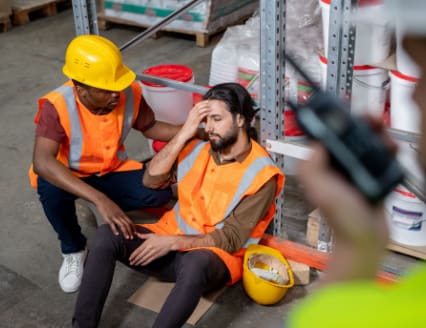
Accident Investigation Report Template: A Complete Guide for Workplaces
Workplace accidents can happen even when a business has safety rules in place. When an accident occurs, teams need to understand what happened, why it happened, and how to prevent it from happening again. An accident investigation report template helps them record the facts and plan the right actions. A clear Accident Investigation Report Template also helps managers track injuries, damage, unsafe conditions, and missed safety controls. In addition, it gives workers and safety teams a shared record to review. As a result, the business can learn from the event and improve its safety practices.
With eAuditor Audits & Inspections, teams can use digital forms and checklists to record incident details, document findings, and support follow-up actions. This makes it easier to keep records organized and review corrective actions.
What Is an Accident Investigation Report Template?
An accident investigation report template is a structured form used to record the details of a workplace accident and the results of the investigation.
It helps the investigation team collect facts, identify contributing factors, and recommend ways to prevent similar events. It can cover incidents that cause injuries, property damage, equipment failure, or other unwanted outcomes.
For example, a worker may slip on a wet floor. The report should record where and when the accident happened, what the worker was doing, and what witnesses observed. It should also examine possible contributing factors, such as a leak, missing warning signs, or an unclear cleaning procedure.
Most importantly, the investigation should focus on learning and prevention rather than blame. The goal is to understand the conditions and actions that led to the event and decide how to reduce the chance of recurrence.
Why Is an Accident Investigation Report Important?
A good investigation helps a business respond to an accident in a clear and consistent way. It also supports better decisions about workplace safety.
1. Helps Establish What Happened
An investigation creates a factual record of the event. It captures the timeline, location, people involved, equipment used, and conditions at the time.
2. Identifies Contributing Factors
Accidents often result from several factors rather than one mistake. A report helps teams examine work methods, training, equipment, supervision, environmental conditions, and safety controls.
3. Supports Preventive Action
Once the team understands the contributing factors, it can recommend actions to address them. For example, the business may repair equipment, improve training, change a procedure, or install a physical safeguard.
4. Improves Workplace Safety
Investigation findings can reveal broader risks that may affect other workers or locations. Therefore, businesses can use lessons from one accident to improve safety across similar activities.
5. Maintains Organized Records
A report provides a consistent record for internal review, follow-up, and trend analysis. It can also support required reporting processes when used alongside the appropriate official forms.
6. Supports Compliance and Accountability
Depending on the location and type of incident, an employer may have specific duties to report, investigate, and retain records. A well-maintained report can support these duties, but it does not replace any mandatory notification or regulatory form.
Who Should Use an Accident Investigation Report Template?
An accident investigation report template can support any organization that needs to record and review workplace incidents.
Common users include:
- Health and safety managers: To lead investigations and review safety risks.
- Supervisors: To record immediate facts and help secure the scene.
- Human resources teams: To maintain relevant employee incident records and coordinate appropriate support.
- Facility managers: To investigate accidents involving buildings, walkways, utilities, or maintenance work.
- Construction managers: To review incidents involving tools, machinery, vehicles, working at height, or site conditions.
- Manufacturing teams: To investigate equipment-related events and unsafe work processes.
- Warehouse managers: To examine vehicle movements, falling objects, lifting injuries, and storage hazards.
- Fleet managers: To document work-related vehicle accidents and related findings.
- Business owners: To review serious incidents and approve corrective actions.
The people involved in an investigation should have suitable knowledge of the incident and the risks involved. Serious or complex incidents may require specialist support.
What Should an Accident Investigation Report Include?
The report should capture enough information to explain the event, support the findings, and guide preventive action. The exact fields will depend on the type of accident and the organization's procedures.
1. Basic Incident Details
Record the date, time, location, department, and type of accident. Include the report reference number if your organization uses one.
2. Details of the People Involved
Record relevant details about the injured person, affected workers, witnesses, and reporting supervisor. Collect only the personal information needed for the investigation and handle it securely.
3. Description of the Accident
Describe what happened in clear, factual language. Explain the activity underway, the sequence of events, and the immediate outcome.
Avoid assumptions or unsupported statements. If the facts are not yet clear, state that further investigation is required.
4. Injury or Damage Details
Record the nature of any injury, the body area affected where relevant, damage to equipment or property, and any disruption to work.
Medical details should be handled according to applicable privacy rules and company procedures.
5. Immediate Response
Document the actions taken after the event. These may include first aid, emergency assistance, stopping work, isolating equipment, or securing the area.
6. Evidence Collected
Record the evidence used during the investigation, such as:
- Witness statements.
- Photographs of the scene, where appropriate.
- Equipment inspection records.
- Relevant training records.
- Risk assessments and work procedures.
- Maintenance records.
- CCTV or other authorized recordings, where available.
- Environmental conditions and measurements.
Evidence should be collected lawfully and handled in a way that preserves its accuracy.
7. Direct and Contributing Factors
Describe the immediate event and the conditions that may have contributed to it. Consider equipment, work design, training, communication, supervision, workload, maintenance, and existing safety controls.
8. Root Cause Analysis
Look beyond the immediate event to identify underlying weaknesses. For example, a slip may involve a wet floor, but the investigation should also consider why the leak occurred and why the area was not isolated.
9. Corrective and Preventive Actions
List the actions needed to address the findings. Include an assigned owner, target date, priority, and method for checking effectiveness.
10. Investigation Review and Approval
Record the investigator's details, the review date, and any required management approval. Include relevant follow-up notes and the date the report was closed.
Accident Investigation Report Template: Sample Checklist
Use the following checklist as a starting point. Adapt it to your workplace, incident type, internal procedures, and local reporting requirements.
Section A: Initial Incident Details
-
Record the incident reference number.
-
Record the date and time of the accident.
-
Identify the site, department, and exact location.
-
Identify the type of accident or event.
-
Record the name or role of the person reporting the incident.
-
Describe the work activity taking place.
-
Record whether the event caused injury, property damage, or a near miss.
Section B: Immediate Response
-
Check whether anyone needs emergency assistance.
-
Arrange first aid or emergency medical support as needed.
-
Stop the unsafe activity where necessary.
-
Isolate dangerous equipment or secure the area.
-
Notify the responsible supervisor or safety team.
-
Complete any required immediate notifications.
-
Record the response actions and their times.
Section C: Evidence Collection
-
Record the names or roles of relevant witnesses.
-
Collect witness accounts separately where appropriate.
-
Photograph the scene when safe and permitted.
-
Review relevant work instructions and risk assessments.
-
Check equipment condition and maintenance history.
-
Review relevant training and competency records.
-
Record any evidence that is missing or still required.
Section D: Investigation Findings
-
Establish a timeline of events.
-
Identify the immediate cause or event.
-
Identify contributing workplace conditions.
-
Review the adequacy of existing risk controls.
-
Consider training, communication, workload, and supervision.
-
Identify any underlying system or process weaknesses.
-
Separate verified facts from assumptions or unanswered questions.
Section E: Corrective Actions
-
List actions that address the immediate hazard.
-
Identify actions that address underlying causes.
-
Assign an owner to each action.
-
Set realistic completion dates.
-
Record evidence of completed actions.
-
Check whether the actions are effective.
-
Update procedures or risk assessments where needed.
-
Share relevant lessons with affected teams.
Section F: Report Closure
-
Complete the investigation findings.
-
Review the report for accuracy and completeness.
-
Submit the report to the appropriate manager.
-
Complete required external reporting separately, where applicable.
-
Record approval or review details.
-
Confirm that outstanding actions have a clear owner and deadline.
-
Close the investigation according to company procedures.
This checklist supports the investigation process, but it does not replace emergency response procedures, specialist investigations, or legally required incident reporting.
How to Complete an Accident Investigation Report
A structured process helps the team collect reliable information and avoid missing important details.
Step 1: Make the Area Safe
First, deal with immediate danger. Arrange medical help, stop unsafe work, and isolate hazards where needed.
Do not put people at further risk to collect evidence. Follow emergency procedures and preserve the scene when required, unless changes are necessary to protect life or prevent further harm.
Step 2: Report the Accident Promptly
Notify the appropriate supervisor or safety representative. Record the basic details while the information is fresh.
Also, determine whether the event meets any reporting thresholds under local law or company procedures. Do not delay mandatory notifications while waiting for the investigation to finish.
Step 3: Gather Facts and Evidence
Inspect the scene when it is safe to do so. Speak with witnesses, review relevant records, and document the conditions that may have contributed to the event.
Ask open questions, such as “What happened next?” or “What conditions were present?” Avoid leading questions that suggest an answer.
Step 4: Build a Clear Timeline
Arrange the information in chronological order. Include what happened before, during, and after the accident.
A clear timeline helps the team compare different accounts and identify information that still needs verification.
Step 5: Analyze Causes
Review both the immediate event and the wider conditions. For example, if a worker is injured by a machine, check the machine's condition, guarding, maintenance, training, work procedure, and supervision.
Do not stop at statements such as “the worker was careless.” Investigate why the task was vulnerable to error and whether the safety system provided adequate protection.
Step 6: Recommend Corrective Actions
Choose actions that address the identified causes. Where practical, prioritize removing the hazard or using stronger physical controls over relying only on reminders or training.
Assign each action to a responsible person and set a target date.
Step 7: Review the Findings
Check that the report separates verified facts from opinions. Make sure the conclusions are supported by the evidence and that important questions have been addressed.
If the evidence is incomplete, document the limitation rather than presenting a guess as a fact.
Step 8: Track Actions and Verify Results
After the actions are implemented, check whether they reduce the risk and prevent recurrence. If the problem continues, review the controls and decide what further action is needed.
Finally, share relevant lessons with other teams that may face similar risks.
How eAuditor Audits & Inspections Helps Manage Accident Investigation Reports
Paper reports and separate spreadsheets can make it difficult to track incidents, evidence, and outstanding actions. eAuditor Audits & Inspections can support a more organized digital workflow for recording incidents and managing follow-up work.
1. Create a Digital Investigation Form
Teams can configure digital forms or checklists to capture incident details, locations, event descriptions, immediate responses, and investigation questions.
A consistent form helps investigators follow the same basic process. However, the organization should adapt it to different incident types and applicable reporting requirements.
2. Record Findings and Supporting Evidence
Investigators can document observations and findings as part of the digital record. Depending on the configured form and available features, they may also add comments, photographs, or other supporting information.
This helps explain the context behind each finding and can make later reviews easier.
3. Document Corrective Actions
The investigation form can identify actions needed to address a hazard or prevent recurrence. Where the relevant action-management features are enabled, teams can assign actions and track their progress.
For example, a report may identify a damaged guard as a contributing factor. The team can record the required repair and follow up to confirm that the equipment is safe before use resumes.
4. Support Accountability
Digital records can help clarify who reported the incident, who reviewed the findings, and which actions remain outstanding. This supports communication between supervisors, safety managers, and action owners.
5. Keep Investigation Records Organized
A consistent digital process can reduce reliance on paper forms and scattered files. It can also help teams review previous findings and look for recurring issues.
Access permissions and record retention should be configured to protect sensitive information and meet the organization's requirements.
6. Support Continual Improvement
Managers can use recorded findings to identify common hazards or repeated failures in work processes. They can then consider changes to training, equipment, risk assessments, or procedures.
Important: eAuditor supports the documentation and follow-up process. It does not independently determine the cause of an accident, provide medical or legal conclusions, replace specialist investigations, or automatically satisfy statutory reporting obligations. Organizations remain responsible for accurate findings, privacy, required notifications, and appropriate corrective action.
Explore available options through the eAuditor Template Library.
Common Accident Investigation Mistakes to Avoid
An investigation is only useful when the team collects reliable facts and takes meaningful action. Avoid these common mistakes.
Blaming a Person Too Early
An early assumption can cause investigators to overlook equipment faults, unclear procedures, poor work design, or inadequate training. Focus on evidence and contributing factors before reaching conclusions.
Waiting Too Long to Collect Evidence
Conditions can change quickly after an accident. Where it is safe and appropriate, record observations promptly and preserve relevant evidence.
Writing a Vague Description
Statements such as “an accident happened near the machine” do not explain the event. Record the exact location, activity, sequence of events, and observed outcome.
Ignoring Witness Accounts
Witnesses may provide different details about the event. Record their accounts fairly and compare them with other evidence instead of assuming that one account is automatically correct.
Stopping at the Immediate Cause
A spill may explain why someone slipped, but it does not explain why the spill occurred or why it remained on the floor. Investigate the wider system and conditions.
Recommending Only More Training
Training can help, but it may not be enough to control a hazard. Consider whether the organization can eliminate the hazard, improve equipment, redesign the task, or introduce stronger safeguards.
Leaving Corrective Actions Unassigned
An action without an owner or deadline can remain incomplete. Assign responsibility and define how the team will verify completion.
Closing the Report Without Checking Effectiveness
Completing an action does not prove that it worked. Review the result and check whether the underlying risk has been reduced.
Best Practices for Effective Accident Investigations
Use these practices to improve the quality of your reports and the value of your findings.
- Put safety first: Protect people and control immediate hazards before investigating.
- Act promptly: Record facts and preserve evidence as soon as it is safe to do so.
- Use neutral language: Describe what happened without making unsupported judgments.
- Ask open questions: Let witnesses explain events in their own words.
- Collect objective evidence: Use observations, records, photographs, and other relevant sources.
- Protect confidentiality: Share personal or sensitive information only with authorized people.
- Investigate system factors: Review equipment, procedures, workload, communication, training, and supervision.
- Use a suitable risk-control approach: Prioritize effective controls rather than relying only on warnings or reminders.
- Assign clear actions: Set owners, deadlines, and completion requirements.
- Check effectiveness: Confirm that corrective actions reduce risk and prevent recurrence.
- Share lessons learned: Communicate relevant findings with other teams and sites.
- Review trends: Use incident records to identify recurring hazards and improvement opportunities.
- Follow reporting rules: Check the local legal requirements and company procedures for each incident type.
Benefits of Using a Digital Accident Investigation Report Template
A digital report can make it easier to capture information consistently and follow the investigation through to completion.
More Consistent Reporting
A standard form prompts investigators to capture key details. As a result, reports are less likely to miss important information.
Better Documentation
Recorded observations, notes, and supporting evidence can help explain how the team reached its conclusions.
Clearer Action Tracking
Assigning responsibility and tracking progress can help prevent corrective actions from being forgotten.
Easier Review of Recurring Problems
A consistent record of incidents and findings can help managers identify patterns. They can then prioritize improvements based on the risks and evidence.
Improved Communication
Digital records can support communication between investigators, supervisors, managers, and action owners, subject to appropriate access controls. https://eauditor.app/2026/10/24/accident-investigation-report-template/


Comments
Post a Comment