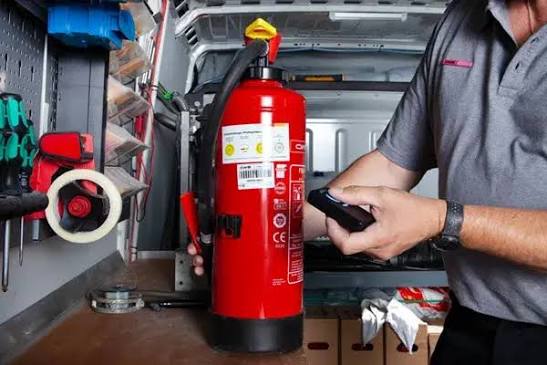
Fire Extinguisher Inspection Report: A Complete Guide for Safer Fire Protection Management
Fire extinguishers are simple devices, but they play a vital role when a fire starts. However, an extinguisher only helps when it is present, accessible, suitable, and ready to use. That is why regular inspections matter. A Fire Extinguisher Inspection Report gives teams a clear record of each inspection. It shows what the inspector checked, what they found, and what action they took.
Instead of relying on memory or loose notes, teams can use a report to track extinguisher condition, location, pressure, safety pins, seals, labels, hoses, maintenance tags, and other key points.
Moreover, a good report does more than record a pass or fail result. It can capture photos, comments, corrective actions, responsible persons, and follow-up dates.
With eAuditor Audits & Inspections, organizations can turn fire extinguisher inspections into a digital process. Teams can use ready-made templates, customize their checks, complete inspections on mobile devices, attach evidence, assign actions, schedule recurring inspections, and generate professional reports.
What Is a Fire Extinguisher Inspection Report?
A Fire Extinguisher Inspection Report is a documented record of an inspection carried out on one or more fire extinguishers.
The report records the condition and status of the extinguisher at the time of inspection.
Depending on the inspection process, it may include:
- Extinguisher location
- Extinguisher identification number
- Extinguisher type
- Inspection date
- Inspector name
- Accessibility
- Mounting condition
- Physical condition
- Pressure gauge status
- Safety pin
- Tamper seal
- Hose or nozzle
- Labels
- Operating instructions
- Inspection tag
- Maintenance information
- Service date
- Expiry or service information
- Defects
- Photos
- Comments
- Pass or fail result
- Corrective actions
- Follow-up status
Therefore, the report gives safety teams a clear record of what they checked and what they need to do next.
Why Is a Fire Extinguisher Inspection Report Important?
A fire extinguisher may appear fine from a distance. However, a closer inspection can reveal blocked access, low pressure, corrosion, missing pins, damaged hoses, or outdated inspection information.
A structured report helps teams record these issues before they become larger problems.
It can help organizations:
- Document fire extinguisher inspections
- Identify damaged equipment
- Check accessibility
- Confirm inspection status
- Record pressure readings
- Capture evidence
- Track defects
- Assign corrective actions
- Monitor maintenance
- Support internal reviews
- Keep inspection records organized
- Improve fire safety visibility
Furthermore, reports create a history that teams can review later.
For example, if the same extinguisher has repeated defects, previous reports can help the team understand the issue and decide what action to take.
When Should You Use a Fire Extinguisher Inspection Report?
Organizations can use a Fire Extinguisher Inspection Report whenever they inspect portable fire extinguishers as part of their fire safety process.
Common situations include:
- Routine inspections
- Monthly inspections
- Annual inspections
- Workplace fire safety inspections
- Facility inspections
- Warehouse inspections
- Factory inspections
- Construction site inspections
- Commercial building inspections
- School inspections
- Hotel inspections
- Retail inspections
- Fire safety audits
- Follow-up inspections
The inspection frequency and service requirements should follow the organization's fire safety program, equipment instructions, and applicable requirements.
What Should a Fire Extinguisher Inspection Report Include?
A useful report should cover the extinguisher from location through follow-up.
General Inspection Information
Start with basic information.
Record:
- Inspection date
- Inspection time
- Inspector name
- Building
- Site
- Department
- Floor
- Exact location
- Extinguisher identification number
This information helps teams identify the correct extinguisher.
Location and Accessibility
First, check where the extinguisher is placed.
Ask:
- Is the extinguisher in its designated location?
- Is it easy to see?
- Is it easy to reach?
- Is access free from obstruction?
- Is the area around it clear?
- Is the extinguisher securely mounted where required?
- Is the location properly marked?
Clear access matters because people need to find and reach the extinguisher quickly during an emergency.
Extinguisher Type
Next, verify the extinguisher type.
Check whether the extinguisher is suitable for the fire risks in the area.
Also, confirm that the type and class markings are clear.
This helps teams identify the correct equipment for the intended location.
Physical Condition
Then, inspect the extinguisher body.
Look for:
- Dents
- Cracks
- Rust
- Corrosion
- Leaks
- Damage
- Loose parts
- Signs of tampering
Do not ignore small signs of damage.
Instead, record the issue clearly and follow the organization's maintenance process.
Pressure Gauge
If the extinguisher has a pressure gauge, check its condition and reading.
Record whether the indicator appears within the expected operating range.
Also, check the gauge for:
- Damage
- Cracks
- Abnormal readings
- Other visible problems
If the reading appears outside the expected range, record the finding and follow the required maintenance process.
Safety Pin and Tamper Seal
Next, inspect the safety pin and tamper seal.
Check whether:
- The safety pin is present
- The pin remains secure
- The tamper seal is intact
- There are signs of unauthorized use
- The assembly appears damaged
Record any missing or damaged components.
Hose and Nozzle
Inspect the hose and nozzle carefully.
Look for:
- Cracks
- Blockages
- Dirt
- Damage
- Loose connections
- Missing parts
- Signs of wear
The hose or nozzle should remain in suitable condition for the extinguisher's intended use.
Labels and Operating Instructions
Labels should remain visible and readable.
Check whether:
- Instructions are legible
- Extinguisher type is clear
- Safety information is visible
- Labels are damaged
- Required markings are present
If the label cannot be read, record the issue.
Inspection and Maintenance Tags
Next, review the inspection and maintenance information.
Check:
- Last inspection date
- Maintenance date
- Service information
- Inspection tag
- Technician information, where applicable
- Required follow-up date
Good records help teams see whether the extinguisher has received the required attention.
Weight and Condition Checks
Where the inspection procedure requires it, check the extinguisher's weight or other relevant condition indicators.
Record the actual result when the process calls for a measurement.
This creates a more useful record than simply writing "OK."
Signage
Also, check whether the extinguisher's location has suitable signage.
The extinguisher should be easy to identify.
If signage is missing, damaged, or unclear, record the finding and assign corrective action where needed.
Inspection Result
At the end of the inspection, record a clear result.
For example:
- Pass
- Fail
- Requires maintenance
- Requires replacement
- Requires follow-up
- Not accessible
- Further assessment required
The result should match the organization's inspection criteria.
Deficiencies and Corrective Actions
A report should not stop when an inspector finds a problem.
Instead, record what needs to happen next.
For example:
- Remove obstruction
- Replace damaged component
- Recharge extinguisher
- Replace extinguisher
- Repair mounting
- Replace missing signage
- Update inspection tag
- Arrange professional servicing
- Conduct a follow-up inspection
Assign each action to the right person and track it until completion.
Photo Evidence
Photos can make inspection reports much clearer.
For example, an inspector can photograph:
- Damaged cylinders
- Corrosion
- Blocked access
- Pressure gauges
- Missing pins
- Damaged hoses
- Missing labels
- Maintenance tags
- Other visible defects
Therefore, the person reviewing the report can understand the issue without relying only on a written description.
How to Conduct a Fire Extinguisher Inspection
Prepare Before the Inspection
First, identify the extinguishers that need inspection.
Then, prepare the inspection form and review the required inspection criteria.
Make sure the inspector knows which areas and extinguishers they need to cover.
Locate the Extinguisher
Next, go to the recorded extinguisher location.
Confirm that the extinguisher is present and easy to access.
If it is missing or blocked, record the issue immediately.
Inspect the Extinguisher
After that, inspect the physical condition.
Check the body, gauge, pin, seal, hose, nozzle, labels, mounting, and other required points.
Record Findings
Enter findings while performing the inspection.
Avoid waiting until the end to write everything from memory.
Instead, record each result as you complete the check.
Capture Evidence
Next, add photos when they provide useful evidence.
For example, photograph a damaged component or blocked access point.
Record the Result
Then, record the inspection outcome.
If the extinguisher meets the required criteria, record the appropriate result.
If it does not, explain the issue.
Assign Corrective Actions
Finally, create follow-up actions for any deficiencies.
Include a responsible person and target date where appropriate.
Then, monitor the action until the issue is resolved.
Common Problems Found During Fire Extinguisher Inspections
Regular inspections can reveal many simple but important problems.
Common findings include:
- Blocked extinguishers
- Missing extinguishers
- Low pressure
- Damaged pressure gauges
- Corrosion
- Dents
- Damaged hoses
- Blocked nozzles
- Missing safety pins
- Broken tamper seals
- Damaged labels
- Missing inspection tags
- Outdated service information
- Poor mounting
- Missing signage
These findings show why a simple visual check from a distance may not be enough.
A structured inspection report gives teams a consistent way to record each issue.
Fire Extinguisher Inspection Report for Workplaces
Workplaces often have extinguishers across offices, workshops, storage areas, kitchens, production areas, and other locations.
Therefore, teams need a simple way to track each unit.
A workplace report can include:
- Building
- Floor
- Room
- Extinguisher number
- Extinguisher type
- Location
- Accessibility
- Condition
- Pressure
- Pin
- Seal
- Hose
- Label
- Inspection tag
- Result
- Corrective action
This structure makes it easier to review inspections across the site.
Fire Extinguisher Inspection Report for Warehouses
Warehouses can present additional challenges.
Stock, pallets, equipment, and packaging can block extinguishers.
Therefore, warehouse inspections should pay close attention to access.
The report can check:
- Extinguisher location
- Clear access
- Visibility
- Mounting
- Physical condition
- Signage
- Pressure
- Inspection status
- Corrective actions
Then, teams can quickly identify areas where storage practices affect fire equipment access.
Fire Extinguisher Inspection Report for Industrial Facilities
Industrial sites may contain different fire risks across production and storage areas.
Therefore, teams should verify that extinguishers remain suitable for their assigned locations.
The report can cover:
- Extinguisher type
- Location
- Fire risk area
- Accessibility
- Physical condition
- Pressure
- Safety components
- Hose and nozzle
- Labels
- Service information
- Inspection status
- Deficiencies
This helps safety teams keep inspection records consistent across larger facilities.
How eAuditor Audits & Inspections Handles Fire Extinguisher Inspection Reports
eAuditor Audits & Inspections provides a digital way to manage fire extinguisher inspections from start to finish.
The platform can support templates, mobile inspections, evidence collection, corrective actions, scheduling, and reporting.
eAuditor's Fire Extinguisher Inspection Checklist covers key areas such as location, physical condition, labels, pressure, seals, maintenance tags, weight, hose and nozzle, signage, inspection results, photos, and follow-up actions.
Use a Ready-Made Fire Extinguisher Checklist
Teams do not always need to build an inspection form from scratch.
eAuditor provides fire extinguisher inspection resources that can give teams a practical starting point.
The eAuditor Library also includes a Fire Extinguisher Audit template with checks for location, accessibility, mounting, inspection frequency, physical damage, pressure gauges, extinguisher suitability, employee training, maintenance records, and labeling.
Therefore, safety teams can start with a structured template and adjust it to match their process.
Customize the Inspection Template
Every facility has different needs.
For that reason, teams can customize the checklist to include their own:
- Locations
- Extinguisher types
- Inspection questions
- Risk areas
- Rating criteria
- Comments
- Evidence requirements
- Corrective actions
This helps create a report that fits the actual inspection process.
Complete Inspections on Mobile Devices
Fire extinguishers may be spread across a large facility.
Therefore, inspectors need to record findings where they work.
eAuditor supports digital inspections so teams can complete checks without relying on paper forms.
This can make the inspection process faster and keep information together from the start.
Capture Photos and Evidence
When an inspector finds a defect, they can add supporting evidence to the inspection.
For example, a photo can show a blocked extinguisher, damaged cylinder, missing pin, or other visible issue.
As a result, the final report can provide more context than a simple pass or fail result.
Record Findings in Real Time
Inspectors can record results during the inspection.
This helps reduce missing information.
It also gives managers a clearer view of what the inspector found at the time of the inspection.
Create Corrective Actions
Finding a problem is only the first step.
The next step is fixing it.
eAuditor can connect findings with corrective actions. Teams can assign actions, set deadlines, and track progress.
For example, a blocked extinguisher can lead to an action to clear the area. A damaged unit can lead to a maintenance or replacement action.
Schedule Recurring Inspections
Fire extinguisher inspections often form part of a recurring safety program.
eAuditor supports scheduled inspections so teams can plan recurring checks.
Its fire extinguisher inspection resources specifically describe scheduling recurring inspections and reminders.
Therefore, teams can build inspection routines instead of relying on manual reminders.
Generate Professional Fire Extinguisher Inspection Reports
After the inspection, eAuditor can generate a report containing the inspection findings.
A report can bring together:
- Inspection details
- Results
- Comments
- Photos
- Deficiencies
- Corrective actions
- Compliance status
This gives safety managers a clearer record for review and follow-up.
Track Inspection History
One inspection provides a snapshot.
However, repeated inspections create a useful history.
Teams can review previous findings to identify recurring problems.
For example, repeated access issues may show a storage problem. Repeated equipment defects may indicate a need for maintenance or replacement.
Therefore, inspection history can support better fire safety management.
Monitor Multiple Locations
Organizations with several buildings or sites may need to manage many extinguishers.
A digital inspection system can help teams keep inspection records organized across locations.
This can improve visibility and make it easier for managers to review open findings and completed inspections.
Build a Clear Audit Trail
A structured digital record can help teams show what they inspected, when they inspected it, what they found, and what happened next.
This makes the inspection process easier to review.
It can also reduce the need to search through paper forms, separate spreadsheets, and email messages.
Fire Extinguisher Inspection Report Example
A practical Fire Extinguisher Inspection Report can include the following sections.
General Information
- Site name
- Building
- Floor
- Department
- Exact location
- Extinguisher ID
- Inspection date
- Inspection time
- Inspector
Extinguisher Details
- Extinguisher type
- Fire class
- Manufacturer
- Model
- Serial number
- Capacity
- Service information
Location and Access
- Correct location
- Visible
- Accessible
- Free from obstruction
- Properly mounted
- Signage visible
Physical Condition
- Cylinder condition
- Corrosion
- Dents
- Leaks
- Damage
- Mounting condition
Operating Components
- Pressure gauge
- Safety pin
- Tamper seal
- Hose
- Nozzle
- Handle
- Other required components
Labels and Records
- Operating instructions
- Type marking
- Inspection tag
- Service information
- Maintenance record
Inspection Result
- Pass
- Fail
- Maintenance required
- Replacement required
- Follow-up required
Evidence
- Photos
- Comments
- Measurements, where required
- Supporting documents
Corrective Action
- Deficiency
- Required action
- Responsible person
- Due date
- Completion status
- Follow-up inspection
This structure gives teams a useful starting point for building their own report.
Best Practices for Fire Extinguisher Inspection Reports
Use a Standard Format
First, use the same core report structure for similar inspections.
This helps inspectors know what to check and helps managers review reports more easily.
Identify Each Extinguisher Clearly
Next, use a clear location or equipment identifier.
This makes it easier to connect the report with the correct extinguisher.
Record Specific Findings
Avoid vague comments.
Instead of writing "damaged," describe what the inspector found.
Specific findings make corrective action easier.
Use Photos When Helpful
Photos can provide strong visual evidence.
Therefore, add them when they help explain a defect or condition.
Record Corrective Actions
Do not stop after identifying a problem.
Assign an action and track it through completion.
Review Repeated Defects
Also, review inspection history.
Repeated problems can point to a larger issue that needs attention.
Keep Reports Easy to Find
Finally, keep completed reports organized.
Digital records can make this much easier than searching through paper documents.
Benefits of a Digital Fire Extinguisher Inspection Report
A digital report can simplify the entire inspection process. https://eauditor.app/2026/10/08/fire-extinguisher-inspection-report-a-complete-guide/


Comments
Post a Comment