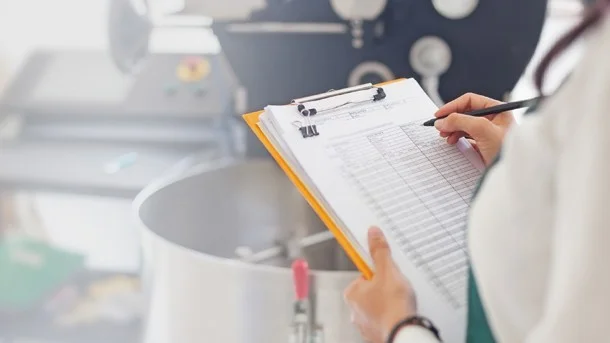
Food Hygiene Inspection Checklist: A Complete Guide for Safer Food Operations
Food hygiene plays a key role in every food business. Whether you run a restaurant, café, hotel, catering service, canteen, bakery, or commercial kitchen, clean and safe food practices protect both customers and staff. However, good food hygiene needs more than a clean kitchen. Teams must check food handling, storage, temperatures, personal hygiene, cleaning, equipment, waste, pests, and more. Therefore, a Food Hygiene Inspection Checklist gives staff a simple way to check these areas in a clear and repeatable way.
With eAuditor Audits & Inspections, teams can move these checks from paper to a digital workflow. Staff can complete inspections on mobile devices, record findings, add photos, assign corrective actions, and keep inspection records in one place.
What Is a Food Hygiene Inspection Checklist?
A Food Hygiene Inspection Checklist is a structured tool used to review food hygiene and food handling practices. It helps teams check whether staff follow safe procedures and whether the workplace meets the required hygiene standards.
For example, an inspection may check:
- Personal hygiene and handwashing
- Food preparation practices
- Food storage
- Food temperatures
- Cross-contamination controls
- Cleaning and sanitizing
- Kitchen equipment
- Food-contact surfaces
- Waste management
- Pest control
- Food labeling and dates
- Receiving and delivery checks
- Refrigeration and freezer conditions
- Cleaning chemical storage
- Corrective actions from earlier inspections
In turn, the checklist helps turn food hygiene rules into simple actions that staff can follow during daily work.
Why Is a Food Hygiene Inspection Checklist Important?
Food hygiene risks can appear during normal operations. A busy kitchen may miss a cleaning task. A refrigerator may drift outside its required range. A food handler may skip a handwashing step. Likewise, staff may store raw and ready-to-eat foods too close together.
A regular inspection helps teams spot these issues early.
It also creates a consistent process. Instead of relying on memory, staff follow the same key checks each time. Therefore, managers can compare results across shifts, departments, and locations.
A digital inspection can also make findings easier to document and track. eAuditor supports digital food hygiene inspections with observations, photographic evidence, corrective actions, and digital records.
Key Areas in a Food Hygiene Inspection Checklist
A useful checklist should match the risks in the food operation. Therefore, businesses should avoid using a long list of questions that does not fit their actual work.
Instead, focus on the controls that matter most.
Personal Hygiene
Food handlers can affect food safety through poor personal hygiene. Therefore, inspections should check whether staff follow basic hygiene practices.
Useful checks include:
- Staff wash hands at the required times.
- Handwashing stations remain clean.
- Soap is available.
- Hand drying facilities are available.
- Staff wear clean work clothing.
- Hair is controlled where required.
- Staff follow site hygiene rules.
- Food handlers avoid practices that could contaminate food.
- Staff report relevant hygiene or illness concerns through the required process.
These checks help managers identify gaps before they become larger problems.
Handwashing and Hand Hygiene
Hand hygiene deserves its own section because hands can easily transfer contamination between people, equipment, surfaces, and food.
Inspectors can check:
- Handwashing stations are accessible.
- Soap is available.
- Water supplies work correctly.
- Hand drying facilities are available.
- Staff understand when to wash their hands.
- Employees follow the site's handwashing procedure.
- Staff do not use food preparation sinks as a substitute for dedicated handwashing facilities where separate facilities are required.
Next, managers can use inspection results to identify repeated problems. If the same handwashing issue appears again and again, the business may need better training, supervision, signage, or facilities.
Food Receiving and Storage
Food safety starts before preparation. Therefore, receiving and storage checks should form part of the inspection.
Inspectors can review whether:
- Food comes from approved sources.
- Deliveries arrive in acceptable condition.
- Packaging remains intact.
- Food shows no obvious signs of spoilage or contamination.
- Required temperatures are checked.
- Food is labeled correctly.
- Date controls are followed.
- Raw and ready-to-eat foods remain separated.
- Food stays protected from contamination.
- Stock follows the business's stock rotation process.
- Food remains stored off the floor where required.
These checks help teams control risks from the moment food enters the site.
Food Temperature Control
Temperature control is another important part of food hygiene. Businesses should define suitable limits based on their food safety procedures and applicable requirements.
A checklist can include fields for:
- Refrigerated food temperatures
- Frozen storage temperatures
- Cooking temperatures
- Reheating temperatures
- Holding temperatures
- Cooling checks
- Equipment temperature readings
- Thermometer condition
- Thermometer calibration or verification records
Instead of simply marking an item as compliant, digital inspections can allow staff to enter the actual reading. This gives managers more useful information.
Cross-Contamination Prevention
Cross-contamination can occur when harmful substances or microorganisms move from one food, surface, tool, or person to another.
Therefore, inspections should check:
- Raw and ready-to-eat foods remain separated.
- Appropriate utensils are used.
- Cutting boards are clean and suitable for their intended use.
- Food-contact surfaces are cleaned and sanitized.
- Staff follow safe food handling procedures.
- Food remains covered where required.
- Storage areas prevent contact between incompatible food types.
- Cleaning equipment is used and stored correctly.
The exact controls should reflect the site's food safety plan and operating procedures.
Cleaning and Sanitizing
A clean kitchen supports safe food operations. However, cleaning alone does not always address every food safety risk. Therefore, teams should check both cleaning and sanitizing practices where required.
A Food Hygiene Inspection Checklist can review:
- Floors
- Walls
- Ceilings
- Worktops
- Food-contact surfaces
- Sinks
- Utensils
- Cutting boards
- Cooking equipment
- Refrigerators
- Freezers
- Storage shelves
- Dishwashing areas
- Cleaning tools
- Waste areas
Inspectors can also check whether staff follow cleaning schedules and use cleaning products according to site procedures.
The eAuditor Food Safety Inspection Checklist, for example, includes checks around warewashing, water temperatures, sanitizers, wiping cloths, utensils, and equipment.
Kitchen Equipment and Facilities
Food hygiene depends on the condition of the equipment and facilities used every day.
Therefore, inspections should check whether:
- Equipment remains clean.
- Equipment works correctly.
- Food-contact equipment remains in suitable condition.
- Refrigeration equipment operates correctly.
- Thermometers work as required.
- Sinks remain clean.
- Drains remain in suitable condition.
- Lighting remains adequate.
- Ventilation systems receive required attention.
- Damaged equipment is reported.
- Maintenance issues receive corrective action.
A small equipment issue can become a larger hygiene problem if teams ignore it. Therefore, the checklist should make it easy to report faults as soon as staff find them.
Pest Control
Pests can create serious hygiene concerns. As a result, pest control should form part of routine food hygiene inspections.
Inspectors can look for:
- Signs of pest activity
- Droppings or other evidence
- Damaged food packaging
- Gaps or openings
- Poor waste storage
- Food left exposed
- Unclean storage areas
- Pest control devices in the correct locations
- Open corrective actions from earlier pest findings
When staff find evidence of pests, they should record the issue and follow the site's pest management procedure.
Waste Management
Waste areas can affect hygiene if teams do not manage them properly.
Therefore, inspectors should check:
- Waste containers remain clean.
- Waste containers have suitable lids where required.
- Waste is removed at suitable intervals.
- Food waste does not build up.
- Waste storage areas remain clean.
- Waste does not attract pests.
- Staff follow the site's waste handling process.
Good waste control also supports a cleaner working environment.
Food Labeling and Date Control
Clear labeling helps teams manage food safely and consistently.
Depending on the operation, the inspection can check:
- Product names
- Preparation dates
- Use-by or discard controls
- Storage instructions
- Allergen information where applicable
- Batch or traceability information where required
- Opened product controls
- Date rotation
- Out-of-date food
Businesses should tailor these checks to their own food safety procedures and legal requirements.
How to Conduct a Food Hygiene Inspection
A good inspection should feel practical rather than like paperwork for its own sake.
First, select the right checklist for the operation. A restaurant kitchen may need different checks from a food warehouse, bakery, hotel, or catering operation.
Next, assign the inspection to a trained person. Then, inspect each area based on what the team actually sees.
Record findings honestly. If something does not meet the required standard, document the issue instead of simply marking the inspection complete.
After that, capture useful evidence. Photos, notes, measurements, and other records can help explain what happened.
Finally, assign corrective actions and follow them through to completion.
This approach creates a simple cycle:
Inspect → Find → Record → Assign → Fix → Verify
How eAuditor Audits & Inspections Handles Food Hygiene Inspections
eAuditor Audits & Inspections helps food businesses turn routine hygiene checks into a structured digital process.
Instead of carrying paper forms around the kitchen, inspectors can use a mobile device to complete digital checklists. The platform can support structured questions, observations, photos, corrective actions, and inspection records.
Create or Select a Food Hygiene Template
Teams can start with an existing eAuditor food safety or hygiene template. They can also build a checklist around their own processes.
For example, a business may create sections for:
- Personal hygiene
- Handwashing
- Food receiving
- Food storage
- Temperature control
- Food preparation
- Cross-contamination
- Cleaning
- Equipment
- Pest control
- Waste
- Corrective actions
This structure makes the inspection easier to follow.
Complete Inspections on Mobile Devices
Staff can complete inspections digitally instead of using printed forms. This helps reduce manual paperwork and makes inspection information easier to collect.
The eAuditor Food Hygiene Inspection workflow supports digital inspections and allows inspectors to capture observations and photographic evidence during the inspection.
Capture Evidence
A finding often needs context.
For example, an inspector may find a damaged surface, an unclean piece of equipment, poor food storage, or a temperature issue.
With digital inspection records, the team can add notes and photographs to help explain the finding.
Record Measurements
Some hygiene checks depend on actual readings rather than simple Yes or No answers.
For example, an inspection can include fields for temperature readings or other measurements relevant to the operation.
This gives managers more detail when they review results.
Assign Corrective Actions
Finding a problem is only the first step.
The next step is to fix it.
eAuditor supports corrective action workflows so teams can record problems, assign actions, and track them through completion. This helps connect the inspection to real improvement.
Review Inspection Results
Managers can review inspection records to spot repeated issues.
For example, repeated findings may point to:
- Training gaps
- Equipment problems
- Poor cleaning practices
- Weak supervision
- Incomplete procedures
- Resource problems
- Poor stock control
Therefore, inspection data can help managers focus on the causes behind recurring findings.
Keep Digital Records
Digital records can also make inspections easier to review later. Instead of searching through paper forms, teams can work from structured inspection records.
This can support internal reviews, management checks, and audit preparation.
Food Hygiene Inspection Checklist Example
A simple inspection can include questions such as:
- Are handwashing stations clean and supplied?
- Do staff follow required handwashing practices?
- Are food preparation surfaces clean?
- Are utensils clean and suitable for use?
- Are food-contact surfaces cleaned and sanitized?
- Are raw and ready-to-eat foods separated?
- Are food storage areas clean?
- Are food items labeled and dated correctly?
- Are required food temperatures within the site's limits?
- Are refrigerators and freezers working correctly?
- Are thermometers available and working?
- Is food protected from contamination?
- Are cleaning chemicals stored safely?
- Are waste containers clean and managed correctly?
- Is there any evidence of pest activity?
- Are food deliveries checked?
- Are damaged or spoiled products removed?
- Are cleaning schedules completed?
- Are previous corrective actions closed?
- Are food hygiene records complete?
Businesses should adapt these questions to their own processes, hazards, food safety plans, and applicable requirements.
Common Food Hygiene Inspection Mistakes
Even a checklist can fail if teams use it poorly.
One common mistake is making the checklist too long. If staff face hundreds of questions, they may rush through the inspection.
Another problem is using vague questions. Questions should tell the inspector what to check.
Businesses can also make the mistake of treating every finding in the same way. Instead, teams should follow their own risk-based process and address important issues promptly.
Another issue is failing to close corrective actions. A finding should not disappear after the inspection ends.
Finally, teams should review the checklist itself. When processes, equipment, menus, suppliers, or risks change, the checklist may need an update.
How Often Should Food Hygiene Inspections Take Place?
There is no single inspection schedule that fits every food business.
The right frequency depends on the operation, food safety risks, processes, and applicable requirements.
For example, a business may perform some critical checks every day while completing broader hygiene audits weekly or monthly.
The key is consistency. Teams should inspect the controls that matter and act on the findings.
Benefits of a Digital Food Hygiene Inspection Checklist
A digital checklist can make inspections easier to manage.
First, it gives staff a consistent inspection process. Next, it reduces the need for paper forms. Then, it makes evidence easier to capture.
It can also help teams:
- Standardize inspections
- Record findings in real time
- Capture photos
- Record measurements
- Assign corrective actions
- Track outstanding issues
- Review previous inspections
- Identify repeated findings
- Improve accountability
- Keep inspection records organized
Most importantly, digital inspections can connect the inspection with the action that follows it.
Food Hygiene Inspection Checklist for Different Food Businesses
Restaurants
Restaurants can use hygiene inspections to review kitchens, storage, food preparation, staff hygiene, cleaning, equipment, and customer-facing areas.
Cafés
Cafés can focus on food preparation, beverage equipment, refrigeration, cleaning, allergen controls, storage, hand hygiene, and waste.
Hotels
Hotels may need broader inspections because food operations can include restaurants, room service, breakfast areas, bars, kitchens, storage rooms, and catering.
Catering Businesses
Catering teams can use inspections to check food transport, preparation, storage, equipment, personal hygiene, and temporary food service locations.
Food Manufacturing
Food manufacturers may need more detailed checks around production areas, raw materials, equipment, cleaning, storage, traceability, and food safety management systems.
Schools and Canteens
School and workplace catering operations can use hygiene inspections to check food preparation, storage, cleaning, hand hygiene, temperatures, waste, and staff practices.
Build Better Food Hygiene Habits With eAuditor
A Food Hygiene Inspection Checklist should not become another form that employees complete and forget.
Instead, it should help teams build better daily habits.
When staff inspect carefully, record what they find, and fix problems quickly, food hygiene becomes part of normal work. Managers can then use inspection data to identify recurring issues and improve processes.
eAuditor Audits & Inspections provides digital inspection workflows that can support this process. Its food safety resources include templates for food safety inspections, kitchen inspections, self-inspections, HACCP checks, ISO 22000 reviews, and broader food facility audits.
Frequently Asked Questions
- What is a Food Hygiene Inspection Checklist?
A Food Hygiene Inspection Checklist is a structured tool used to check food handling, personal hygiene, cleaning, storage, temperatures, equipment, pest control, waste, and other food hygiene practices.
- Why should food businesses use a hygiene inspection checklist?
A checklist gives staff a consistent way to inspect important hygiene controls. It also helps teams record findings, identify risks, and follow up on corrective actions.
- What should a Food Hygiene Inspection Checklist include?
It should match the food business and its risks. Common sections include personal hygiene, handwashing, food storage, temperature control, cleaning, cross-contamination, equipment, pests, waste, labeling, and corrective actions.
- How often should food hygiene inspections be completed?
The required frequency depends on the food operation, risks, procedures, and applicable requirements. Businesses may use daily checks for critical controls and broader inspections at longer intervals.
- Can eAuditor be used for food hygiene inspections?
Yes. eAuditor supports digital food hygiene and food safety inspections. Teams can complete checklists, record findings, capture evidence, and manage corrective actions.
- Can I customize a food hygiene checklist in eAuditor?
Yes. Businesses can use suitable templates as a starting point and tailor the inspection process to their own operation, procedures, and risks.
- Can a food hygiene inspection include temperature checks?
Yes. A checklist can include fields for recording actual food, storage, cooking, cooling, reheating, or holding temperatures where those checks form part of the site's food safety process.
- Can inspectors add photos to food hygiene inspections?
Yes. Digital inspections can support photographic evidence. https://eauditor.app/2026/10/08/food-hygiene-inspection-checklist-a-complete-guide/


Comments
Post a Comment