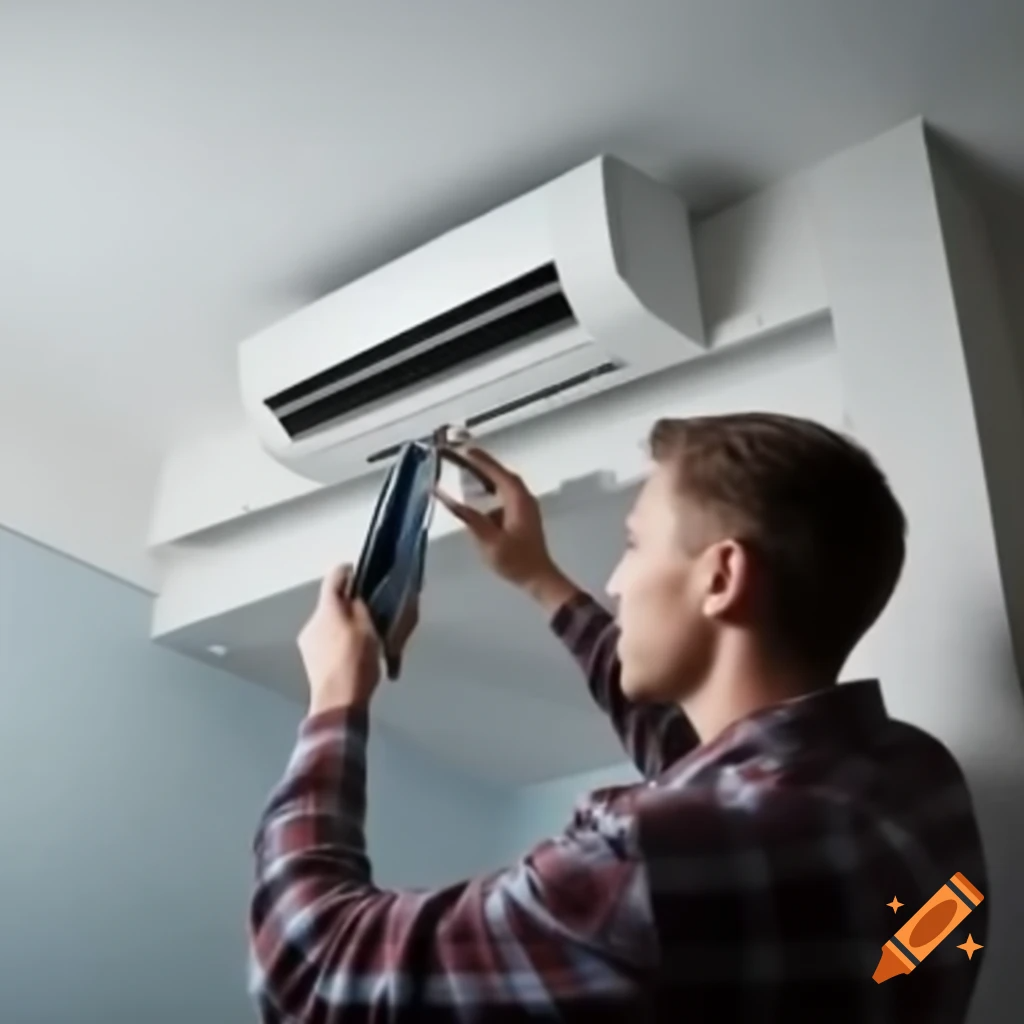
HVAC Inspection - Industry Vetted: A Complete Guide to Reliable HVAC Performance
Why HVAC Inspections Matter
Heating, ventilation, and air conditioning (HVAC) systems work every day to keep buildings comfortable and safe. However, even the best systems need regular inspections. An HVAC inspection helps identify worn components, poor airflow, refrigerant issues, and safety concerns before they become expensive repairs. As a result, organizations reduce downtime, improve energy efficiency, and extend equipment life.
Moreover, regular inspections support compliance with maintenance programs and create healthier indoor environments for employees, customers, patients, and visitors.
What Is an HVAC Inspection?
A Structured Evaluation of HVAC System Performance
An HVAC inspection is a systematic review of every major component within a heating and cooling system. The goal is to verify that equipment operates safely, efficiently, and according to manufacturer recommendations.
A complete HVAC inspection typically includes:
- Air handling units
- Compressors
- Condensers
- Evaporator coils
- Air filters
- Ductwork
- Thermostats
- Electrical connections
- Refrigerant lines
- Safety controls
Therefore, every inspection provides a clear picture of equipment condition.
Why Routine HVAC Inspections Are Important
Improve Energy Efficiency
Clean and properly maintained HVAC equipment uses less energy. Consequently, operating costs decrease.
Prevent Unexpected Breakdowns
Routine inspections identify worn parts before they fail. As a result, maintenance teams can schedule repairs instead of responding to emergencies.
Improve Indoor Air Quality
Clean filters, ducts, and ventilation systems improve airflow and reduce airborne contaminants.
Extend Equipment Life
Preventive maintenance reduces wear on major components. Therefore, expensive replacements become less frequent.
Support Regulatory Compliance
Documented inspections help organizations demonstrate maintenance compliance and support audit requirements.
Key Areas Covered During an HVAC Inspection
Air Filters
Inspect filters for dirt, damage, and proper installation.
Thermostats
Verify calibration, operation, and temperature accuracy.
Electrical Components
Inspect wiring, terminals, switches, and electrical connections for wear or overheating.
Refrigerant System
Check refrigerant levels, pipe insulation, fittings, and potential leaks.
Condenser and Evaporator Coils
Inspect coils for dirt, corrosion, blockage, and damage.
Fans and Motors
Verify smooth operation, unusual vibration, lubrication, and bearing condition.
Drainage System
Ensure drain pans and condensate lines remain clean and unobstructed.
Airflow and Ventilation
Measure airflow and inspect ductwork for leaks, damage, or restrictions.
Common HVAC Problems Found During Inspections
Dirty Air Filters
Blocked filters reduce airflow and increase energy consumption.
Refrigerant Leaks
Low refrigerant levels reduce cooling performance and increase operating costs.
Electrical Issues
Loose wiring or damaged electrical components create safety risks and equipment failures.
Blocked Drain Lines
Clogged drains may cause water damage and mold growth.
Worn Mechanical Components
Belts, bearings, and motors naturally wear over time and require regular replacement.
Best Practices for HVAC Inspections
Follow a Standard Inspection Checklist
A standardized checklist ensures every inspection follows the same process.
Perform Scheduled Preventive Maintenance
Routine inspections identify issues before equipment fails.
Record Every Finding
Document observations, repairs, measurements, and recommendations immediately.
Capture Visual Evidence
Photographs provide valuable documentation for maintenance planning.
Track Corrective Actions
Assign repairs with deadlines and verify completion during follow-up inspections.
How eAuditor Audits & Inspections Supports HVAC Inspections
Digital HVAC Inspection Templates
eAuditor Audits & Inspections provides customizable HVAC inspection templates that standardize inspections across multiple facilities. Teams complete inspections using mobile devices, ensuring consistent documentation every time.
Real-Time Inspection Data
Inspectors record equipment conditions, measurements, photos, comments, and maintenance observations directly within the inspection form. Consequently, managers receive immediate visibility into equipment performance.
Automated Corrective Actions
When inspectors identify problems, eAuditor allows corrective actions to be assigned instantly to maintenance personnel. Teams can then monitor progress until every issue is resolved.
Professional Inspection Reports
After every inspection, eAuditor automatically generates detailed reports that include findings, images, recommendations, completed actions, and maintenance history. Therefore, reporting becomes faster while documentation remains organized.
Continuous Maintenance Monitoring
Scheduled inspections, historical trends, and centralized records help organizations improve preventive maintenance programs and reduce recurring equipment failures over time.
Benefits of Using Digital HVAC Inspection Checklists
Faster Inspections
Digital forms reduce paperwork and simplify inspections.
Better Documentation
Photos, comments, and inspection results remain attached to every record.
Improved Maintenance Planning
Historical inspection data helps prioritize repairs and replacement schedules.
Stronger Compliance
Digital records simplify audits and demonstrate maintenance activities.
Reduced Equipment Downtime
Early detection allows maintenance teams to resolve problems before failures occur.
Verified eAuditor Resources
eAuditor Template Library
- HVAC Inspection Templates: https://library.eauditor.app/
- Preventive Maintenance Templates: https://library.eauditor.app/
eAuditor Blog
- HVAC Preventive Maintenance Guide: https://eauditor.app/blog/
- Facility Maintenance Best Practices: https://eauditor.app/blog/
Frequently Asked Questions
1. What is an HVAC inspection?
An HVAC inspection evaluates heating, ventilation, and air conditioning equipment to verify safe and efficient operation.
2. Why are HVAC inspections important?
They improve energy efficiency, reduce breakdowns, extend equipment life, and support preventive maintenance.
3. How often should HVAC systems be inspected?
Most facilities inspect HVAC systems at least twice each year, although usage and manufacturer recommendations may require more frequent inspections.
4. What should an HVAC inspection checklist include?
It should include filters, electrical components, refrigerant systems, coils, motors, airflow, thermostats, drainage, and safety controls.
5. Who performs HVAC inspections?
Qualified HVAC technicians, maintenance personnel, or facility management professionals typically perform inspections.
6. What are the most common HVAC problems?
Dirty filters, refrigerant leaks, electrical faults, blocked drains, worn motors, and airflow restrictions are among the most common issues.
7. Can HVAC inspections improve indoor air quality?
Yes. Clean filters, proper airflow, and well-maintained ventilation systems improve indoor air quality significantly.
8. Why should inspections be documented?
Documentation creates maintenance history, supports audits, and helps track recurring issues.
9. How do digital inspection checklists improve maintenance?
They standardize inspections, simplify reporting, automate corrective actions, and improve communication across maintenance teams.
10. How does eAuditor support HVAC inspections?
eAuditor digitizes HVAC inspections, captures real-time findings, assigns corrective actions, stores maintenance history, generates professional reports, and helps organizations build efficient preventive maintenance programs.
Final Thoughts
An industry-vetted HVAC inspection program helps organizations protect valuable equipment, improve energy efficiency, reduce maintenance costs, and create healthier indoor environments. Furthermore, by using digital inspection tools from eAuditor Audits & Inspections, maintenance teams can standardize inspections, respond to issues faster, maintain complete maintenance records, and continuously improve HVAC performance across every facility. https://eauditor.app/?p=24801


Comments
Post a Comment