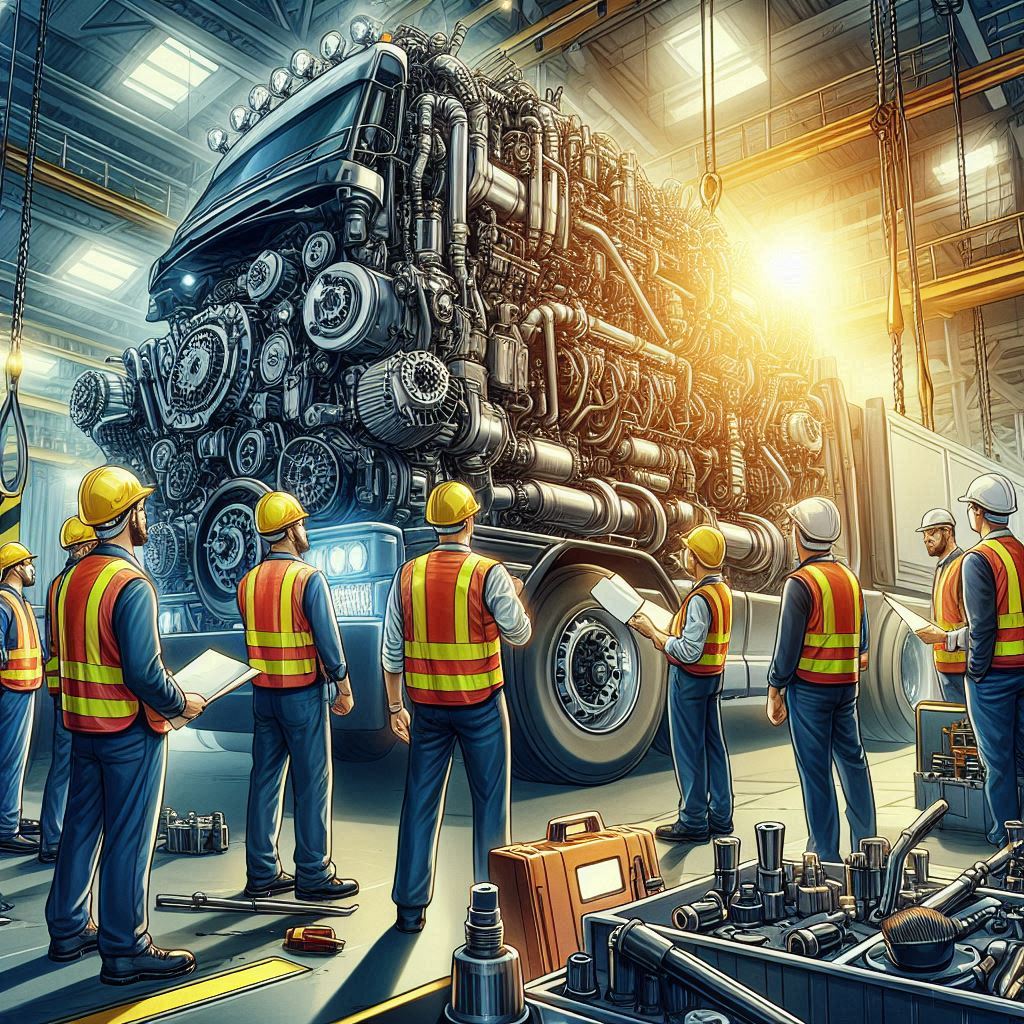
OSHA IC Engine Industrial Truck Inspection Audit Guide: A Complete Guide & Free Checklists
OSHA IC Engine Industrial Truck Inspection helps teams spot faults, protect workers, and keep forklifts safe before each shift starts.
An OSHA IC Engine Industrial Truck Inspection checks forklifts and other powered trucks that use internal combustion engines. These trucks may run on diesel, gasoline, or liquefied petroleum gas (LPG). A good inspection helps prevent crashes, fires, leaks, and equipment failure.
With eAuditor Audits & Inspections, teams can use digital checklists to record faults, assign repairs, and track each inspection. This guide explains the main checks, OSHA rules, common risks, and ways to make daily inspections easier.
What Is an OSHA IC Engine Industrial Truck Inspection?
An OSHA IC Engine Industrial Truck Inspection is a safety check of a powered industrial truck with an internal combustion engine. It helps confirm that the truck is safe to use before work begins.
These trucks often move goods in warehouses, factories, yards, loading bays, and distribution centers. They can lift heavy loads, but worn parts or poor handling can put workers at risk.
A proper inspection covers the truck's key parts, including:
- Brakes and steering.
- Tires and wheels.
- Forks, mast, and lift chains.
- Hydraulic hoses and cylinders.
- Engine, fuel system, and fluid levels.
- Lights, horn, and warning devices.
- Seat belt and overhead guard.
- Controls, gauges, and safety labels.
Operators should also look for fuel leaks, loose parts, unusual sounds, and signs of damage. They must report any fault that could affect safe operation.
Why Is an OSHA IC Engine Industrial Truck Inspection Important?
A forklift can look fine from the outside and still have a serious fault. A short check before use can help an operator find a problem before it causes harm.
Regular inspections offer several benefits.
Protect workers: Good brakes, clear views, working alarms, and sound forks help reduce the risk of injury.
Prevent equipment failure: Early checks can reveal worn tires, damaged hoses, low fluid levels, and engine trouble.
Reduce repair costs: Small faults often cost less to fix than major breakdowns.
Support OSHA compliance: Employers can use inspection records to show that they follow safe work practices.
Improve daily work: A truck that works as it should can move goods with fewer delays.
Build clear records: A digital checklist can show who checked the truck, what they found, and what the team did next.
What Does OSHA Require for Industrial Truck Inspections?
OSHA sets rules for powered industrial trucks under 29 CFR 1910.178. Employers must ensure that trucks remain in safe working order and that trained, authorized operators use them.
Under OSHA's powered industrial truck standard, operators must examine trucks before placing them in service. For trucks used on a round-the-clock basis, each truck must receive an examination at least once per shift. Employers must address defects that affect safety before allowing the truck back into service.
The standard also states that trucks must not be used if they need repairs or are otherwise unsafe. Qualified personnel must carry out repairs, and the employer must ensure that the truck is safe before it returns to work.
For trucks powered by internal combustion engines, employers must also consider fuel handling, exhaust emissions, ventilation, and fire risks.
Important: An inspection checklist supports compliance, but it does not replace the OSHA standard, the truck maker's manual, or a qualified technician's assessment.
OSHA IC Engine Industrial Truck Inspection Checklist
Use the following checks as a starting point for a daily inspection. Adjust the checklist to suit the truck model, fuel type, attachments, and work site.
1. Check the Truck's General Condition
Start with a walk-around inspection before starting the engine.
- Look for cracks, dents, and loose parts.
- Check for oil, fuel, or hydraulic fluid leaks.
- Make sure steps and handholds are secure.
- Check the overhead guard for damage.
- Confirm that safety labels and load-capacity plates are clear.
- Remove loose items that could affect safe operation.
Record each fault and report it before using the truck.
2. Inspect the Forks and Mast
The forks and mast carry heavy loads. Damage in this area can cause a load to fall.
- Check the forks for cracks, bends, and unusual wear.
- Look for damaged locking pins and fork retainers.
- Inspect the mast rails and rollers.
- Check lift chains for wear, damage, or poor alignment.
- Inspect hydraulic cylinders and hoses.
- Test the lift and tilt functions in a safe area.
Never use a truck with damaged forks or a faulty lifting system. Ask a qualified person to assess the fault.
3. Check Tires and Wheels
Tires affect grip, steering, and stability. A damaged tire can make the truck harder to control.
- Check tires for cuts, cracks, and severe wear.
- Look for loose or damaged wheel parts.
- Check pneumatic tire pressure where applicable.
- Inspect solid tires for missing chunks or damage.
- Clear away objects that may affect wheel movement.
Follow the manufacturer's guidance for tire pressure and replacement.
4. Test the Brakes and Steering
The truck must stop and turn as expected. Test these systems in a clear area before moving a load.
- Check the service brake.
- Test the parking brake.
- Check steering response.
- Look for unusual noise or resistance.
- Confirm that the truck stops without pulling to one side.
Do not operate the truck if the brakes or steering fail to work properly.
5. Inspect the Engine and Fuel System
Internal combustion trucks need special care because they use fuel and produce exhaust gases.
- Check the engine oil level.
- Inspect coolant levels when safe and appropriate.
- Look for fuel leaks and damaged fuel lines.
- Inspect belts and hoses for wear.
- Check the air intake and exhaust system.
- Look for loose connections and signs of overheating.
- Check the fuel gauge and related warning lights.
Never inspect a hot radiator by opening its cap. Follow the manufacturer's procedure, and let the engine cool first.
For LPG trucks, check the cylinder, mounting, connections, and hoses for damage or leaks. Follow the approved procedure for cylinder changes and fuel-system checks. Never use a flame to look for a gas leak.
6. Check the Battery and Electrical Parts
Even an engine-powered truck may use a battery for starting and electrical systems.
- Look for damaged cables and loose connections.
- Check the battery case for cracks or leaks.
- Make sure terminals are secure.
- Check warning lights and gauges.
- Inspect exposed wires and electrical fittings.
Keep sparks and open flames away from batteries and fuel systems. Follow site rules when carrying out electrical checks.
7. Test Lights, Horn, and Warning Devices
Good warning devices help people notice a moving truck.
- Test the horn.
- Check headlights and other fitted lights.
- Test the reverse alarm if fitted.
- Check mirrors and windows.
- Inspect the seat belt and its mounting.
- Confirm that the operator can see clearly from the driving position.
Check any fitted safety device in line with the truck's manual and site rules.
8. Check Controls and Gauges
The operator must understand the controls and be able to spot warning signs.
- Check the accelerator and other driving controls.
- Test lift and tilt controls.
- Check the transmission and gear selection.
- Look for warning lights.
- Confirm that the hour meter works.
- Report any unusual vibration, sound, or smell.
Carry out functional tests only in a safe area with enough space to move the truck.
9. Check the Work Area
Truck safety also depends on the place where it operates.
- Keep travel routes clear.
- Check for potholes, spills, and loose debris.
- Look for low ceilings and overhead obstructions.
- Check loading docks and ramps.
- Keep pedestrians away from truck routes.
- Confirm that lighting and visibility are adequate.
- Check that the planned load is within the truck's rated capacity.
A sound truck cannot make an unsafe work area safe. Fix site hazards before work starts.
10. Record Faults and Take Action
A checklist has little value if the team ignores the results.
For every failed check, record the fault and tell the right person. Mark the truck as unsafe when the defect affects safe operation, and prevent its use until an authorized person completes the required repair and confirms it is safe.
A useful inspection record includes:
- Truck ID or asset number.
- Date and shift.
- Operator's name.
- Inspection results.
- Details of each fault.
- Photos, where useful.
- Action taken and the person responsible.
- Repair status and return-to-service approval.
These records help supervisors spot repeated faults and plan maintenance before equipment fails.
Free eAuditor Checklists for OSHA IC Engine Industrial Truck Inspection
The right checklist helps operators follow the same steps each day. It also helps supervisors track faults and keep inspection records in one place.
Here are useful templates from the eAuditor library for your OSHA IC Engine Industrial Truck Inspection program.
1. OSHA Yard Forklift Truck Inspection Checklist
This checklist covers the main parts of a forklift. It includes checks for the overhead guard, hydraulic cylinders, mast, lift chains, forks, and tires.
It also covers engine oil, the battery, hydraulic fluid, coolant, and LPG parts. Use it as a starting point for daily checks of trucks that handle loads in yards and industrial sites.
2. Daily Forklift Safety Inspection Checklist
This checklist focuses on the truck's operating controls, forks, mast, base, and engine compartment. Operators can check oil, fuel, belts, hoses, the battery, lights, mirrors, seat belts, tires, and warning devices.
It works well for teams that need a clear pre-use check before each shift.
3. Forklift Operator Safety Checklist
Safe equipment is only part of the job. Operators must also know how to use it.
This checklist covers operator training, authorization, daily inspection practices, load-capacity information, and safe work habits. Use it to support operator checks and workplace safety reviews.
4. OSHA Propane Forklift Truck Inspection Checklist
This template covers key forklift parts, gauges, lights, steering, brakes, the mast, forks, tires, and LPG equipment. It also includes checks for engine oil, hydraulic fluid, coolant, and fuel-related parts.
It can help teams that use LPG-powered trucks focus on fuel-system safety as well as general truck condition.
5. Environmental, Health, and Safety (EHS) Checklist
This wider safety checklist includes a section for forklift and industrial truck inspections. It covers daily checks, operator qualifications, and other workplace safety concerns.
Use it when your inspection program forms part of a larger site safety audit.
6. Loading Dock Safety Inspection Checklist
Forklifts often work near docks, ramps, and loading bays. This checklist helps teams check lighting, barriers, floor conditions, dock doors, warning signs, and equipment safety.
It adds useful site-level checks to your truck inspection process.
How eAuditor Makes OSHA IC Engine Industrial Truck Inspection Easier
Paper forms can work, but they can also get lost, become hard to read, or miss key details. Digital inspections give teams a simple way to record checks and act on faults.
With eAuditor Audits & Inspections, teams can build a consistent process around their forklift safety checks.
Use digital checklists: Give operators a clear list of items to inspect before they start work.
Record faults as they occur: Add notes and photos to explain a defect. This gives maintenance teams a clearer view of the problem.
Assign follow-up work: Set an action for the person who must fix the issue. Track its progress until the team closes it.
Keep inspection records: Store completed checks so supervisors can review past results and find repeated problems.
Improve team oversight: Review failed checks and open actions to see where the team needs more support.
Make reporting simpler: Use inspection records to review trends, support maintenance planning, and prepare for internal audits.
Explore more templates through the eAuditor checklist library and learn more about the platform at eAuditor.
Common Mistakes During OSHA IC Engine Industrial Truck Inspection
Even an experienced operator can miss a fault when the workday feels rushed. A clear process helps reduce these errors.
Skipping the walk-around: Starting the engine at once can leave leaks, tire damage, or loose parts unnoticed.
Checking only visible parts: The operator must also test controls and safety systems in a safe area.
Ignoring small leaks: A small fuel leak can become a fire risk. Report it and keep the truck out of service until the fault is fixed.
Using the wrong checklist: An LPG truck may need different fuel-system checks from a diesel truck. Match the checklist to the equipment.
Failing to record defects: A verbal report may not give the maintenance team enough detail. Record the fault and the action needed.
Returning a faulty truck too soon: Never put a truck back into use until the required repair is complete and the truck is safe.
Rushing through the form: A completed form does not prove that someone checked each item. Operators must inspect the truck with care.
Best Practices for a Better OSHA IC Engine Industrial Truck Inspection
A reliable inspection program starts with simple rules that everyone can follow.
- Inspect each truck before it enters service.
- Follow the truck maker's manual and site safety rules.
- Train operators to spot and report faults.
- Use a checklist that matches the truck and fuel type.
- Remove unsafe trucks from service at once.
- Let authorized personnel carry out repairs.
- Check that repairs are complete before returning a truck to use.
- Review inspection records to spot repeated faults.
- Keep travel routes clear and separate people from moving trucks.
- Review the checklist when equipment or work conditions change.
Supervisors should also check whether staff understand the inspection process. A short refresher can help prevent missed checks and unsafe habits.
OSHA IC Engine Industrial Truck Inspection: A Sample Daily Workflow
A simple workflow helps operators complete the same checks in the right order.
Step 1: Identify the truck. Record its asset number, date, shift, and operator.
Step 2: Walk around the truck. Check for damage, leaks, loose parts, and visible hazards.
Step 3: Inspect key parts. Check the tires, forks, mast, chains, hydraulics, engine, and fuel system.
Step 4: Start and test the truck safely. Check the brakes, steering, controls, gauges, horn, and fitted warning devices.
Step 5: Review the work area. Check routes, ramps, loading areas, and pedestrian access.
Step 6: Record the results. Mark each item as satisfactory, faulty, or not applicable. Add notes where needed.
Step 7: Report and act. Report defects and remove an unsafe truck from service.
Step 8: Confirm safe return to work. After repair, ensure the truck is safe before anyone uses it again.
This process gives operators and supervisors a clear record of the truck's condition at the start of work.
How Often Should You Conduct an OSHA IC Engine Industrial Truck Inspection?
OSHA's powered industrial truck standard requires an examination before a truck enters service and at least daily. If a truck operates around the clock, the employer must examine it after each shift.
Operators should also report any new fault during use. A truck that becomes unsafe must leave service until the team restores it to safe working order.
The employer should set extra checks where the maker's manual, site risks, or maintenance plan calls for them.
Final Thoughts on OSHA IC Engine Industrial Truck Inspection
An OSHA IC Engine Industrial Truck Inspection helps protect operators, pedestrians, equipment, and goods. It gives the team a chance to find faults before a truck moves a load.
The best process is clear and consistent. Operators inspect the truck, record each defect, and report problems at once. Supervisors then make sure repairs are complete before the truck returns to work.
With the right checklist and eAuditor Audits & Inspections, your team can make daily checks easier to follow and inspection records easier to review. Start with a suitable template, adjust it to your truck, and make safety checks part of every shift.
Frequently Asked Questions
1. What is an OSHA IC Engine Industrial Truck Inspection?
It is a check of a powered industrial truck that uses an internal combustion engine. The inspection helps confirm that key parts, controls, and safety devices work as they should before the truck enters service.
2. Does OSHA require daily forklift inspections?
Yes. Under 29 CFR 1910.178(q)(7), employers must ensure that powered industrial trucks receive an examination before service and at least daily. Trucks used around the clock need an examination after each shift.
3. Who should inspect an IC engine forklift?
A trained operator can carry out the required pre-use examination. However, qualified or authorized personnel must handle repairs that require their skills and approval.
4. What should an IC engine forklift inspection checklist include?
It should cover the forks, mast, lift chains, tires, brakes, steering, engine, fuel system, hydraulics, lights, horn, controls, and other safety devices. The exact checks depend on the truck model and fuel type.
5. What should an operator do if the forklift fails an inspection?
The operator must report the fault and keep the truck out of service if the defect affects safe operation. The team must fix the problem and confirm that the truck is safe before using it again.
6. Are inspection records required by OSHA?
OSHA's powered industrial truck standard requires examinations, but it does not generally require a written record for every pre-use examination. Employers may still use records to manage maintenance, track faults, and support their safety program.
7. Can I use the same checklist for diesel, gasoline, and LPG forklifts?
You can use a common checklist for general truck checks, but you should add fuel-specific items. LPG trucks need checks for their cylinders, connections, and hoses, while diesel and gasoline trucks need checks suited to their fuel systems.
8. What is the difference between an inspection and maintenance?
An inspection looks for faults and checks whether the truck is safe to use. Maintenance includes planned servicing, adjustments, and repairs. An inspection may show when maintenance is needed, but it does not replace it.
9. How can eAuditor help with forklift inspections?
eAuditor offers digital checklist templates that teams can use to record inspection results, note defects, and support follow-up actions. The team can adapt a template to match its equipment and site procedures.
10. Where can I find a free OSHA IC Engine Industrial Truck Inspection checklist?
Start with the OSHA Yard Forklift Truck Inspection Checklist or the Daily Forklift Safety Inspection Checklist in the eAuditor library. Review each template and adapt it to the truck and workplace before use. https://eauditor.app/2026/10/13/osha-ic-engine-industrial-truck-inspection-audit-guide-a-complete-guide-free-checklists/


Comments
Post a Comment