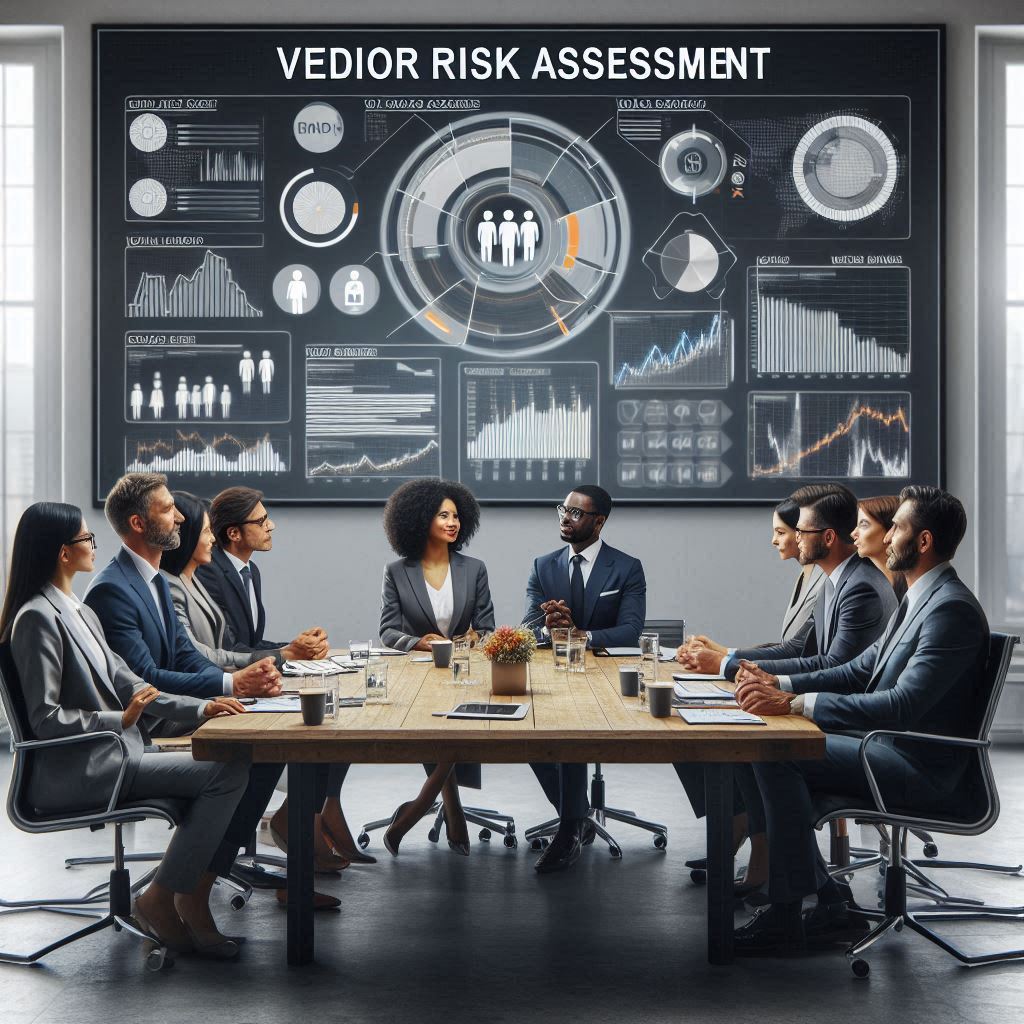
Workplace Risk Assessment: A Complete Guide and Checklist
Every workplace has risks. For example, workers may face wet floors, faulty equipment, heavy loads, or unsafe electrical systems. However, many of these risks can be reduced when teams find them early. A Workplace Risk Assessment helps businesses identify hazards, understand who could be harmed, and choose ways to make work safer. It also helps managers decide which issues need attention first.
Whether you manage an office, warehouse, factory, restaurant, or construction site, risk assessments help protect people and property. In addition, they help teams plan work, improve safety rules, and prevent avoidable incidents.
With eAuditor Audits & Inspections, businesses can use digital checklists to record hazards, add photos and notes, document findings, and track corrective actions. As a result, teams can keep safety records organized and follow up on problems more easily.
What Is a Workplace Risk Assessment?
A Workplace Risk Assessment is a process used to find hazards and assess the risks they pose to workers and others.
A hazard is anything that could cause harm. Risk is the chance that harm may occur, along with how serious the outcome could be.
For example, a wet floor is a hazard. If someone walks across it, they may slip and suffer an injury. A risk assessment helps the team identify the hazard and choose suitable controls, such as cleaning the spill, placing a warning sign, and fixing the source of the leak.
A good assessment follows five basic steps:
- Identify workplace hazards.
- Decide who could be harmed and how.
- Evaluate the risks and select controls.
- Record the findings and take action.
- Review the assessment when needed.
However, a risk assessment should not be a one-time task. Teams must review it when work changes, new equipment arrives, or an incident reveals a gap in existing controls.
Why Is a Workplace Risk Assessment Important?
Workplace risk assessments help businesses manage hazards before they cause harm. They also help workers understand their role in keeping the workplace safe.
1. Prevent Injuries and Illness
First, a risk assessment helps teams find hazards before someone gets hurt.
For example, a warehouse team may spot damaged shelving during an inspection. By restricting access and arranging repairs, the team can reduce the risk of falling stock or a shelf collapse.
2. Protect Workers and Visitors
Workplace hazards can affect more than employees. Contractors, customers, delivery drivers, and visitors may also face risks.
Therefore, an assessment should consider everyone who could enter or work near the affected area.
3. Improve Safety Decisions
Not every hazard needs the same level of attention. A risk assessment helps teams decide which issues need urgent action and which can be managed through routine controls.
As a result, managers can direct time and resources toward the most serious risks.
4. Support Legal and Company Requirements
Many workplaces must identify hazards and take reasonable steps to control risks. A documented assessment can help show how the business manages safety.
However, a risk assessment alone does not guarantee legal compliance. Businesses must also follow the laws, industry rules, and safety standards that apply to their operations.
5. Reduce Disruption and Costs
Workplace incidents can lead to injuries, damaged equipment, lost work time, and costly repairs.
By finding and controlling hazards early, businesses can reduce avoidable disruption. In addition, regular reviews can help identify problems before they become more serious.
6. Build a Strong Safety Culture
Workers are more likely to take safety seriously when managers listen to their concerns and act on reported hazards.
A risk assessment gives teams a clear way to discuss risks, agree on controls, and improve daily work practices.
Who Needs a Workplace Risk Assessment?
Almost every workplace can benefit from risk assessments. However, the hazards and controls will vary by industry and job.
- Office managers: Assess slips, trips, workstation setup, electrical equipment, and emergency access.
- Construction teams: Review work at height, excavation, lifting, machinery, and site traffic.
- Warehouse managers: Assess manual handling, racking, forklifts, falling objects, and loading areas.
- Manufacturing teams: Review machinery, hazardous substances, noise, heat, and moving parts.
- Restaurant managers: Assess burns, cuts, wet floors, cleaning chemicals, and food preparation areas.
- Healthcare teams: Review infection risks, sharps, patient handling, and chemical exposure.
- Maintenance teams: Assess electrical work, stored energy, tools, and access equipment.
- Retail managers: Review customer access, storage areas, fire safety, and equipment.
- School administrators: Assess classrooms, playgrounds, laboratories, and emergency routes.
In each case, the assessment should reflect the actual work. A standard form can help, but it should never replace a proper review of the workplace.
What Should a Workplace Risk Assessment Include?
A useful risk assessment should give teams enough information to understand each hazard and manage it effectively.
1. Workplace Details
Start by recording the basic information.
Include:
- Workplace name and location
- Department or work area
- Assessment date
- Assessor's name and role
- Activities being assessed
- Workers and contractors involved
- Review date, where applicable
These details help managers identify the assessment and keep records organized.
2. Hazard Identification
Next, identify anything that could cause harm.
Common workplace hazards include:
- Wet or uneven floors
- Poor lighting
- Blocked walkways and exits
- Faulty machinery
- Exposed electrical parts
- Heavy lifting
- Repetitive movements
- Working at height
- Hazardous chemicals
- Excessive noise
- Fire hazards
- Poor ventilation
- Moving vehicles
- Falling objects
- Biological hazards
- Workplace stress and fatigue
Also consider hazards that may affect people with different needs or levels of experience.
3. People at Risk
Identify who may be harmed by each hazard.
This may include employees, contractors, visitors, customers, cleaners, delivery workers, and members of the public.
In addition, consider workers who may need specific safety arrangements because of their tasks, experience, or individual circumstances.
4. Existing Control Measures
Record the controls that are already in place.
For example, a machine may have guards, an emergency stop, and a maintenance schedule. A chemical storage area may have labels, ventilation, and spill equipment.
However, do not assume that an existing control works simply because it is listed. Check that it is suitable, maintained, and used correctly.
5. Risk Rating
Assess the likelihood of harm and the possible severity of the outcome.
Many workplaces use a risk matrix to classify risks as low, medium, high, or critical. However, teams should follow their approved risk assessment method.
A simple example:
- Low risk: Harm is unlikely, and the possible outcome is minor.
- Medium risk: Harm could occur and may require further controls.
- High risk: Serious harm is possible, so prompt action is needed.
- Critical risk: The potential consequences are severe and may require work to stop until suitable controls are in place.
These labels are illustrative. Actual ratings should follow the workplace's defined criteria.
6. Additional Control Measures
Where existing controls are not enough, identify what else the team must do.
Use the hierarchy of controls:
- Elimination: Remove the hazard.
- Substitution: Replace it with a safer alternative.
- Engineering controls: Isolate people from the hazard.
- Administrative controls: Use training, procedures, signs, and work schedules.
- Personal protective equipment (PPE): Protect workers from remaining risks.
Whenever possible, remove the hazard at its source instead of relying only on warnings or PPE.
7. Responsible Person and Due Date
Every required action should have a clear owner.
Record who must complete the action, when it is due, and what evidence will show that the problem has been resolved.
This makes follow-up easier and reduces the chance that important safety actions will be forgotten.
8. Review and Approval
Record who reviewed the assessment and when it should be reviewed again.
Also update the assessment when the workplace changes, an incident occurs, or a control proves ineffective.
How to Conduct a Workplace Risk Assessment
A consistent process helps businesses find hazards and manage risks effectively.
Step 1: Define the Scope
First, decide which area, task, or activity needs assessment.
For example, you may assess an office floor, a warehouse loading bay, a production line, or a maintenance task. Be clear about the work covered by the assessment.
Step 2: Gather Information
Review incident reports, previous assessments, equipment manuals, safety procedures, and relevant safety data.
Also speak with workers. They may know about hazards that are not obvious during a brief inspection.
Step 3: Inspect the Workplace
Walk through the area and look for unsafe conditions and practices.
Check floors, access routes, equipment, storage areas, electrical systems, emergency exits, and required protective measures. Where relevant, observe how people perform the work.
Step 4: Identify Who Could Be Harmed
Consider employees, contractors, visitors, and other people who may be exposed.
Think about when and how exposure could happen. For example, a delivery driver may face different risks from a worker who operates machinery in the same area.
Step 5: Assess the Risks
Consider how likely harm is and how serious the outcome could be.
Use the workplace's approved risk matrix or assessment method. Then, identify which risks need immediate attention and which require planned improvements.
Step 6: Select Suitable Controls
Choose measures that remove hazards or reduce exposure.
For example, if a walkway is regularly wet because of a leaking pipe, repairing the pipe addresses the source. Cleaning and warning signs can help manage the immediate danger, but they may not solve the underlying problem.
Step 7: Record the Findings
Document the hazards, people at risk, existing controls, risk ratings, and additional actions.
Use clear language so workers and managers can understand what needs to happen.
Step 8: Assign Actions
Give each action to a responsible person and set a reasonable deadline.
For urgent hazards, take immediate steps to protect people. Where a task cannot be performed safely, stop it until suitable controls are in place.
Step 9: Communicate the Results
Share relevant findings with workers and supervisors.
Explain the controls they must follow, the hazards they need to report, and the steps to take if conditions change.
Step 10: Review and Improve
Check whether the controls work in practice.
Review the assessment after incidents, near misses, workplace changes, or evidence of failed controls. Also follow the review schedule required by company procedures and applicable law.
Common Workplace Risk Assessment Mistakes
1. Missing Hidden Hazards
A quick walk-through may reveal obvious problems but miss noise, chemical exposure, repetitive tasks, or risks linked to how equipment operates.
How to improve: Observe the work, consult workers, review available information, and consider routine as well as unusual activities.
2. Using the Same Assessment Everywhere
A generic assessment may not reflect the risks at a specific site.
How to improve: Use a standard format where helpful, but tailor the hazards and controls to each location and task.
3. Giving Vague Instructions
Statements such as “take care” or “use caution” do not explain what workers must do.
How to improve: Write specific controls, such as keeping a defined route clear, isolating equipment before maintenance, or storing chemicals in approved locations.
4. Focusing Only on PPE
PPE can help protect workers, but it may not control the source of a hazard.
How to improve: Consider elimination, substitution, and engineering controls first. Use PPE for remaining risks where appropriate.
5. Failing to Assign Actions
A risk assessment may identify a serious problem without stating who must fix it.
How to improve: Assign an owner, set a deadline, and track the action until someone verifies that the issue has been resolved.
6. Ignoring Worker Feedback
Workers may stop reporting hazards if managers do not respond.
How to improve: Encourage reporting, investigate concerns, and explain what action the business has taken.
7. Not Reviewing the Assessment
An assessment can become outdated when equipment, staff, materials, or work methods change.
How to improve: Review it when significant changes occur and after incidents or failed controls.
How eAuditor Audits & Inspections Supports Workplace Risk Assessment
eAuditor Audits & Inspections helps businesses manage workplace inspections and assessment records through digital checklists and structured follow-up.
1. Build Digital Risk Assessment Checklists
Create checklists that match the workplace and its activities.
Include questions about housekeeping, equipment, electrical safety, manual handling, fire precautions, chemical storage, emergency access, and other relevant hazards.
You can adapt checklist sections to suit different sites and departments.
2. Complete Assessments on Site
Workers and supervisors can record inspection findings as they review the workplace.
This helps teams capture information close to where hazards occur and reduces reliance on paper forms.
3. Add Photos and Notes
Document hazards with notes and photos to give the team a clearer picture of the issue.
For example, an inspector may record a damaged cable, blocked exit, or unsafe storage area. This evidence helps the responsible person understand what needs attention.
4. Record Findings and Corrective Actions
Turn assessment findings into clear follow-up tasks.
Record the action needed, assign responsibility where the workflow supports it, and track progress. For example, a team may need to repair a faulty light, remove an obstruction, or arrange equipment maintenance.
5. Standardize Workplace Inspections
Use consistent checklist questions across similar locations.
This helps managers compare findings and follow a common process. However, each assessment should still reflect the hazards and controls that apply to that specific workplace.
6. Maintain Organized Records
Digital records help authorized staff review past findings and check whether actions have been completed.
This can support internal reviews, safety meetings, and preparation for audits.
7. Identify Repeated Problems
When managers review assessment findings over time, they may spot recurring hazards.
For example, repeated trip hazards may indicate a need to improve cable management or storage practices. Similarly, recurring equipment defects may point to a maintenance gap.
Important: Digital checklists support the risk assessment process, but they do not replace professional judgment, required specialist assessments, or the need to implement and verify effective controls.
Benefits of Using eAuditor for Workplace Risk Assessment
A digital workflow can help businesses:
- Improve consistency: Use a clear process for routine workplace checks.
- Save time: Reduce paper-based recording and manual record handling.
- Capture evidence: Add notes and photos to support findings.
- Improve accountability: Make follow-up actions clearer.
- Track outstanding issues: Monitor actions that still need attention.
- Support communication: Share relevant findings with the people responsible for safety.
- Keep records organized: Make previous assessments easier to review.
- Spot recurring hazards: Use recorded findings to identify common problems.
- Support continual improvement: Review outcomes and improve safety practices.
Ultimately, the value of digital assessment comes from what the team does with the findings. Hazards must be controlled, actions must be completed, and the workplace must be checked again.
Best Practices for Workplace Risk Assessment
Use Simple, Clear Language
Write findings and controls in terms workers can understand. Avoid vague descriptions and explain what action is required.
Involve Workers
Ask workers about the hazards they face during daily tasks. Their experience can help the team identify practical risks and suitable controls.
Prioritize Serious Risks
Deal with immediate dangers first. Then, plan and track other improvements according to their risk and urgency.
Use the Hierarchy of Controls
Look for ways to remove hazards before relying on warnings, procedures, or PPE.
Keep Records Accurate
Record the actual conditions found during the assessment. Update the records when controls or working conditions change.
Assign Clear Responsibilities
Every action should have an owner and a due date. Verify that the work is complete and that the control is effective.
Make Safety Information Accessible
Ensure workers can access the relevant assessment and understand the controls that apply to their work.
Review Assessments Regularly
Do not wait for an incident to reveal a problem. Review assessments when work changes and whenever there is reason to question the effectiveness of existing controls.
Frequently Asked Questions
1. What is a Workplace Risk Assessment?
A Workplace Risk Assessment is a process for identifying hazards, evaluating the risks they create, and deciding how to prevent or reduce harm to workers and others.
2. Who is responsible for a workplace risk assessment?
The employer is generally responsible for ensuring that workplace risks are assessed and managed. A competent person may carry out the assessment with input from workers, supervisors, and safety professionals.
3. What are the five steps of a risk assessment?
The five common steps are identifying hazards, deciding who may be harmed, evaluating risks and selecting controls, recording findings and actions, and reviewing the assessment when needed.
4. What hazards should a workplace risk assessment cover?
It should cover hazards relevant to the workplace, such as slips and trips, machinery, electricity, chemicals, manual handling, fire, work at height, noise, and emergency access. The exact hazards depend on the work being done.
5. How often should a workplace risk assessment be reviewed?
Review it when work activities, equipment, materials, or conditions change. Also review it after incidents, near misses, or failed controls, and follow any applicable legal or company review requirements.
6. What is the difference between a hazard and a risk?
A hazard is something that can cause harm. Risk describes the likelihood of harm and how serious the outcome could be.
7. Does every workplace need a risk assessment?
Workplaces generally need to identify and manage the risks associated with their activities, although specific legal duties depend on the jurisdiction and type of work. Businesses should check the requirements that apply to them.
8. What is a risk assessment matrix?
A risk assessment matrix is a tool that combines likelihood and severity to help classify risks. Organizations should use clear rating criteria so teams can assess hazards consistently.
9. How does eAuditor help with workplace risk assessment?
eAuditor Audits & Inspections supports digital checklists, on-site findings, photos and notes, corrective action records, and organized assessment documentation. These features help teams record hazards and follow up on issues.
10. https://eauditor.app/2026/10/12/workplace-risk-assessment-a-complete-guide/


Comments
Post a Comment