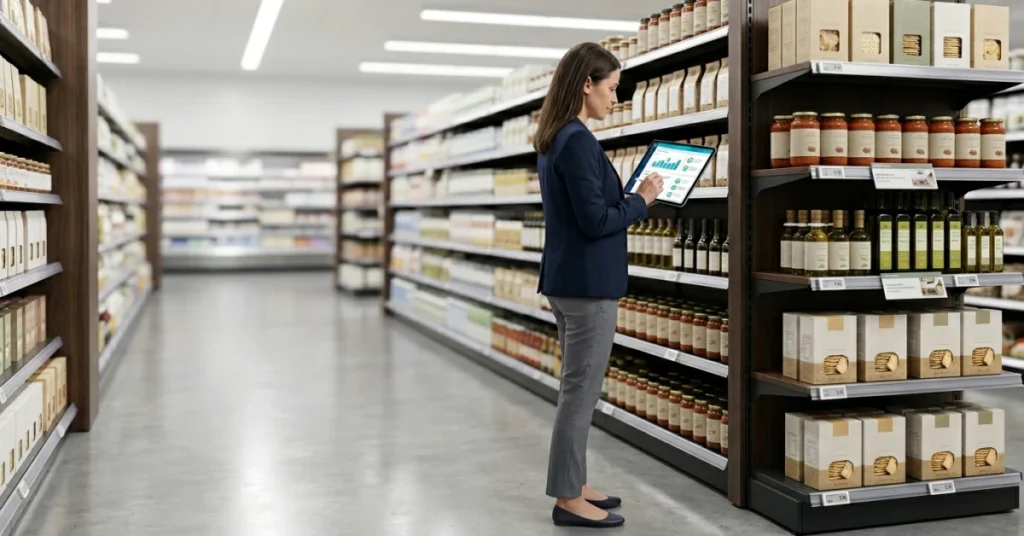
General Store Operations & Safety Audit Checklist: A Complete Guide
A well-run store needs more than good products and friendly staff. It also needs safe work areas, clear procedures, accurate stock records, and reliable daily checks. Without these controls, small problems can affect customers, employees, stock, and business operations. A General Store Operations & Safety Audit Checklist helps store managers review daily activities and identify areas that need improvement. It covers everything from staff practices and customer service to stock handling, housekeeping, fire safety, and security.
Moreover, regular audits help teams spot hazards before they cause injuries or business disruptions. They also help managers maintain consistent service and store standards.
With eAuditor Audits & Inspections, retailers can use digital checklists to record store inspections, document findings, and support corrective actions. As a result, they can manage operational and safety checks in a more organised way.
What Is a General Store Operations & Safety Audit Checklist?
A General Store Operations & Safety Audit Checklist is a structured tool used to review how a retail store operates and how well it manages workplace safety.
It helps managers check whether staff follow store procedures, maintain clean and organised areas, handle products correctly, and manage common risks.
A typical audit covers:
- Store opening and closing procedures.
- Staff attendance and responsibilities.
- Customer service and sales practices.
- Stock receiving and inventory control.
- Product storage and display.
- Housekeeping and cleanliness.
- Aisles, walkways, and emergency exits.
- Fire prevention and emergency readiness.
- Electrical equipment and general maintenance.
- Cash handling and loss prevention.
- Staff training and workplace conduct.
- Incident reporting and corrective actions.
The checklist should match the store's size, products, layout, and daily activities. For example, a grocery store may need additional checks for refrigeration and food hygiene, while a hardware store may need closer attention to heavy products, tools, and hazardous materials.
Why Is a Store Operations and Safety Audit Important?
A regular store audit helps managers understand whether daily procedures work as intended. It also gives staff a clear way to report problems and maintain consistent standards.
1. Improve Workplace Safety
First, an audit helps identify hazards such as wet floors, blocked aisles, damaged shelves, and unsafe electrical equipment. Managers can then arrange corrective actions before someone gets hurt.
2. Improve Customer Experience
Customers expect a clean, organised, and accessible store. Regular checks help maintain product displays, clear walkways, helpful service, and safe shopping areas.
3. Maintain Stock Accuracy
Poor stock handling can lead to missing products, damaged goods, and incorrect inventory records. An audit helps managers review receiving, storage, rotation, and stock control practices.
4. Strengthen Daily Operations
Store opening, closing, cleaning, cash handling, and staff duties all affect business performance. A checklist helps teams follow these procedures consistently.
5. Reduce Product Loss and Damage
Incorrect storage, poor handling, and weak security controls can cause financial losses. Audits help identify gaps in inventory management and loss prevention.
6. Support Staff Accountability
Clear inspection questions help employees understand their responsibilities. In addition, recorded findings help managers assign tasks and follow up on unresolved issues.
7. Maintain a Consistent Store Standard
Regular audits help different branches follow the same operational and safety expectations. Managers can also compare results and identify areas that need extra support.
General Store Operations & Safety Audit Checklist
A comprehensive store audit should cover all key areas of daily retail operations. Use the following checklist as a starting point and adapt it to your store's needs.
1. Store Opening and Closing Procedures
- Are opening and closing procedures documented?
- Does the assigned staff member complete the opening checks?
- Are entrances and exits clear?
- Are lights and essential equipment working?
- Are security systems checked?
- Are cash registers prepared correctly?
- Are closing duties assigned?
- Are doors and windows secured after closing?
- Are keys and access cards controlled?
- Are opening and closing records maintained?
2. Store Layout and General Organisation
- Are aisles clear and easy to navigate?
- Are products arranged in designated areas?
- Are shelves stable and secure?
- Are heavy products stored safely?
- Are display units free from visible damage?
- Are promotional displays positioned safely?
- Are floor surfaces in good condition?
- Are signs clear and easy to read?
- Are customer service areas accessible?
- Are storage areas organised?
3. Housekeeping and Cleanliness
- Are floors clean and dry?
- Are spills cleaned promptly?
- Are shelves and counters free from excessive dust?
- Are waste bins available and emptied regularly?
- Are cleaning supplies stored safely?
- Are toilets and wash areas clean?
- Are staff areas maintained properly?
- Are food preparation or handling areas cleaned where applicable?
- Are cleaning duties assigned?
- Are cleaning activities recorded where required?
4. Staff Management and Workplace Conduct
- Are staff attendance records maintained?
- Are employees aware of their duties?
- Are work schedules available?
- Are staff trained for their assigned roles?
- Do employees follow store policies?
- Is suitable work clothing or PPE provided where needed?
- Are staff areas clean and organised?
- Do employees know how to report hazards?
- Are communication channels clear?
- Are new employees given suitable induction training?
5. Customer Service and Store Experience
- Are customers greeted professionally?
- Can customers find assistance when needed?
- Are staff familiar with the products they sell?
- Are product prices clearly displayed?
- Are promotional offers accurate?
- Are customer complaints handled properly?
- Are returns and exchanges managed according to policy?
- Are checkout areas organised?
- Are queues managed effectively?
- Are customer feedback records reviewed?
6. Stock Receiving and Inventory Control
- Are incoming deliveries checked against purchase records?
- Are damaged products identified?
- Are quantities verified?
- Are delivery discrepancies reported?
- Are products labelled correctly?
- Are stock records updated?
- Are high-value products controlled?
- Are expired or unsuitable products removed?
- Are stock counts completed as scheduled?
- Are inventory discrepancies investigated?
7. Product Storage and Handling
- Are products stored in designated locations?
- Are shelves and storage racks suitable for the load?
- Are heavy items stored at safe heights?
- Are products stacked securely?
- Are fragile products protected?
- Are incompatible materials stored separately?
- Are chemicals stored according to product instructions?
- Are storage areas free from unnecessary clutter?
- Are temperature-sensitive products stored correctly?
- Are handling instructions followed?
8. Product Display and Pricing
- Are products displayed neatly?
- Are price labels accurate?
- Are promotional signs current?
- Are products within their approved display areas?
- Are displays stable and secure?
- Are emergency equipment and exits unobstructed?
- Are damaged products removed from display?
- Are product labels clear?
- Are restricted products controlled where required?
- Are displays accessible to customers?
9. Fire Safety and Emergency Preparedness
- Are fire extinguishers available in designated locations?
- Are extinguishers accessible and visibly identifiable?
- Are inspection and maintenance records current?
- Are emergency exits clearly marked?
- Are exit routes free from obstructions?
- Are fire doors kept in the required condition?
- Are alarm systems inspected as scheduled?
- Are emergency lights functional?
- Are staff trained in emergency procedures?
- Are evacuation instructions displayed?
- Are assembly points identified?
- Are emergency contact details available?
10. Electrical and Equipment Safety
- Are electrical outlets and switches in good condition?
- Are cables free from visible damage?
- Are extension leads used safely?
- Are electrical panels accessible?
- Are equipment guards fitted where required?
- Are checkout machines and scanners working safely?
- Are refrigerators and other appliances maintained?
- Are damaged electrical items removed from service?
- Are maintenance issues reported?
- Are inspections and repairs recorded?
11. Slips, Trips, and Falls Prevention
- Are floors free from spills and loose materials?
- Are wet floor signs available?
- Are floor mats secure?
- Are cables kept away from walkways?
- Are stairs and ramps in good condition?
- Are handrails secure?
- Are changes in floor level clearly marked?
- Are storage items kept out of walkways?
- Are ladders and step stools suitable and maintained?
- Are staff trained in safe access practices?
12. Manual Handling and Lifting Safety
- Are staff trained in safe lifting techniques?
- Are heavy items handled using suitable equipment?
- Are trolleys and handling aids available where needed?
- Are team lifts used for suitable loads?
- Are storage heights appropriate?
- Are frequently handled products easy to access?
- Are workers encouraged to report discomfort or unsafe loads?
- Are damaged handling aids removed from use?
- Are delivery areas arranged to reduce unnecessary lifting?
- Are manual handling risks reviewed?
13. Security and Loss Prevention
- Are security cameras working where installed?
- Are high-value items stored or displayed securely?
- Are access points monitored?
- Are keys and access credentials controlled?
- Are cash handling procedures followed?
- Are cash deposits managed securely?
- Are suspicious activities reported?
- Are stock losses investigated?
- Are security incidents recorded?
- Are staff aware of theft response procedures?
14. Cash Register and Checkout Operations
- Are checkout systems working correctly?
- Are cash drawers secured when unattended?
- Are refunds and void transactions authorised?
- Are cash balances checked according to policy?
- Are payment terminals handled securely?
- Are receipts provided where required?
- Are checkout counters clean and organised?
- Are customer queues managed safely?
- Are cash discrepancies reported?
- Are register closing records maintained?
15. Customer and Staff Welfare Facilities
- Are staff rest areas clean?
- Are drinking water facilities available?
- Are toilets maintained?
- Are handwashing supplies available?
- Are first aid supplies accessible?
- Are welfare facilities suitable for the workforce?
- Are customer assistance arrangements clear?
- Are accessibility needs considered?
- Are damaged facilities reported?
- Are welfare inspections recorded where required?
16. Food Safety and Refrigeration Checks (Where Applicable)
- Are food storage areas clean?
- Are refrigerators and freezers operating correctly?
- Are required temperature checks recorded?
- Are food products within their use-by dates?
- Are products stored to prevent cross-contamination?
- Are raw and ready-to-eat foods separated where required?
- Are food handling staff trained?
- Are food contact surfaces cleaned and sanitised?
- Are pest control arrangements maintained?
- Are food safety issues reported and corrected?
17. Pest Control and Waste Management
- Are signs of pest activity reported?
- Are food and waste areas kept clean?
- Are waste bins suitable and covered where required?
- Is waste removed at the planned frequency?
- Are recycling materials separated correctly?
- Are waste storage areas secure?
- Are pest control records maintained?
- Are pest control products stored safely?
- Are damaged packages checked for contamination?
- Are corrective actions recorded?
18. Incident Reporting and Corrective Actions
- Are accidents and near misses reported?
- Are customer injuries recorded?
- Are staff aware of reporting procedures?
- Are incidents investigated where required?
- Are hazards recorded clearly?
- Are corrective actions assigned?
- Are responsible persons identified?
- Are action deadlines set?
- Are completed actions verified?
- Are repeated issues reviewed?
- Are lessons shared with relevant staff?
How to Conduct a General Store Operations and Safety Audit
A structured audit process helps managers review store performance without missing important areas. Follow these steps to complete an effective inspection.
Step 1: Define the Audit Scope
Start by deciding which store areas and activities need review. Consider the store layout, products, staffing, operating hours, and known risks.
For example, a large retail store may need separate reviews for stockrooms, sales floors, checkout areas, and loading bays.
Step 2: Prepare the Audit Checklist
Select questions that match the store's procedures and safety requirements. Include operational checks, housekeeping, equipment, security, and customer service.
Also, review previous audit findings so the team can check whether earlier problems have been resolved.
Step 3: Assign the Auditor
Choose a manager, supervisor, or trained auditor who understands store operations. Make sure the person knows the inspection requirements and can report findings objectively.
Step 4: Inspect the Store Environment
Walk through the store and check the sales floor, stockroom, loading area, staff facilities, and emergency routes.
Observe actual conditions rather than relying only on written records.
Step 5: Review Operational Procedures
Check opening and closing records, stock receiving, inventory management, cash handling, and customer service procedures.
Then, compare actual practices with approved store policies.
Step 6: Speak With Employees
Ask staff about their duties, training, and common operational problems. They may identify hazards or process gaps that are not obvious during a walk-through.
Step 7: Record Audit Findings
Document each issue clearly. Include the location, observed condition, relevant requirement, and any supporting evidence.
Classify findings according to the organisation's risk or priority system.
Step 8: Assign Corrective Actions
Give each finding to a responsible person. Set a realistic deadline and identify any immediate controls needed.
For example, a blocked emergency exit should be cleared immediately rather than left for a routine maintenance schedule.
Step 9: Verify Completion
Review completed actions and confirm that they have resolved the issue. If a problem remains, keep it open and arrange further work.
Step 10: Review Results and Improve
Share the audit results with store management and relevant staff. Look for repeated issues and identify whether the store needs more training, resources, or changes to its procedures.
Common Store Operations and Safety Audit Mistakes
A store audit can miss important problems when it focuses on only one part of the business. Avoid these common mistakes.
1. Focusing Only on the Sales Floor
The stockroom, loading bay, staff room, and maintenance areas can contain serious hazards. Inspect the full store, not just the customer-facing areas.
2. Ignoring Small Hazards
Loose cables, damaged shelves, and minor leaks can lead to larger problems. Record and address hazards before they cause injuries or damage.
3. Checking Documents Without Observing Work
Written procedures may not reflect daily practices. Observe staff activities and compare them with approved instructions.
4. Overlooking Stockroom Safety
Poor stacking, blocked walkways, and unsafe lifting can put employees at risk. Include storage and delivery areas in the audit.
5. Failing to Review Equipment
Damaged electrical items, unstable ladders, and faulty refrigeration units can affect safety and operations. Check equipment condition and maintenance records.
6. Not Involving Store Employees
Employees often know where problems occur. Ask for their input and encourage them to report issues without delay.
7. Leaving Corrective Actions Unassigned
A finding without an owner may remain unresolved. Assign responsibility and set a clear deadline for each action.
8. Treating Every Store the Same
A grocery store, clothing shop, hardware outlet, and electronics retailer have different operational risks. Adapt the checklist to the products and activities involved.
Best Practices for Effective Store Operations and Safety Audits
A useful audit should lead to clear improvements. Follow these practices to make the process more effective.
- Use a consistent checklist: Maintain a standard audit structure across stores and departments.
- Adapt checks to store type: Include product-specific and activity-specific risks.
- Inspect all work areas: Cover sales floors, stockrooms, loading bays, offices, and staff facilities.
- Observe actual practices: Check how employees handle stock, customers, equipment, and cash.
- Involve staff: Ask employees to share concerns and suggest practical improvements.
- Prioritise safety risks: Address hazards that could cause serious injury or disrupt emergency access first.
- Review maintenance records: Check whether equipment faults receive timely attention.
- Keep records accurate: Document findings clearly and avoid vague comments.
- Assign corrective actions: Give each issue an owner and a completion date.
- Verify completed work: Confirm that corrective actions solve the original problem.
- Review recurring findings: Look for patterns across shifts, departments, and branches.
- Provide regular training: Make sure employees understand safety and operational procedures.
How eAuditor Audits & Inspections Supports Store Operations and Safety Audits
Paper-based store audits can create challenges when managers need to inspect several departments or locations. In addition, separate forms can make it harder to track findings and confirm whether staff have completed corrective actions.
eAuditor Audits & Inspections helps retailers manage store inspections through configurable digital checklists. Teams can record operational checks, document safety issues, and support follow-up actions using the platform's available features.
Here are some ways the platform can support store audits.
1. Create Digital Store Audit Checklists
Build checklists around your store's daily operations. Include questions for opening procedures, housekeeping, stock management, customer service, security, and workplace safety.
This helps managers follow a consistent inspection process.
2. Standardise Audits Across Store Locations
Create common checklist structures for multiple branches. You can also adapt questions to reflect differences in store layout, products, equipment, and local operating procedures.
As a result, managers can maintain consistent core standards while allowing for site-specific checks.
3. Record Inspection Findings
Use checklist responses to document compliant conditions and areas that need attention. Where enabled, auditors can also attach photos or supporting evidence. https://eauditor.app/2026/11/15/general-store-operations-safety-audit-checklist/


Comments
Post a Comment